
Key Takeaways
PPIs like omeprazole have a real role. Proton pump inhibitors (PPIs), such as omeprazole and lansoprazole, reduce stomach acid and can be essential for conditions like ulcers or severe oesophagitis. As per NHS guidance, long-term use should be reviewed regularly to check the dose and treatment remain appropriate.
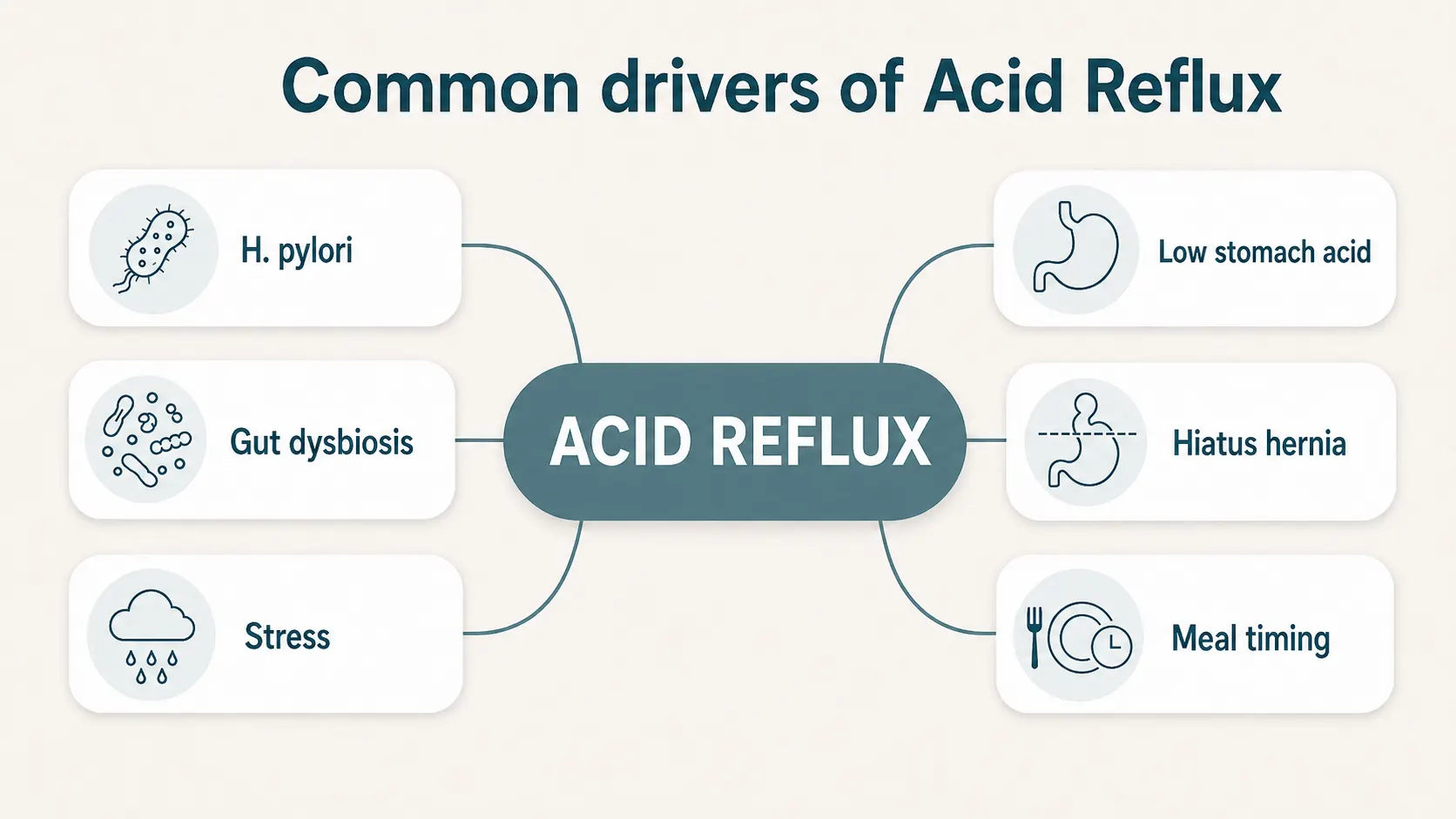
Acid reflux is not always caused by too much acid. Contributing factors can include meal timing, stress, low stomach acid, a hiatus hernia, Helicobacter pylori (H. pylori) infection, slow digestion and wider gut health.
Long-term PPI use has trade-offs. Suppressing stomach acid for months or years has been linked with reduced absorption of vitamin B12, magnesium and iron, and with changes in the gut microbiome. Individual risk should be reviewed with your GP.
Never stop omeprazole abruptly. Stopping a PPI suddenly can trigger rebound acid hypersecretion, a temporary surge in acid symptoms. Always speak to your prescriber before reducing or stopping.
Functional testing can find the cause. Tests such as an H. pylori stool test or a comprehensive (GI-MAP) stool test can reveal what is driving reflux, so a personalised nutrition and lifestyle plan can target it directly, rather than guess, alongside appropriate medical care.
Natural alternatives to omeprazole target the root cause. They are best understood as approaches that address the underlying drivers of reflux, used alongside appropriate medical care, not as a like-for-like replacement for medication.
Jump To
On Omeprazole and Wondering If You Still Need It?
If you have found your way to this page, there is a fair chance you are holding a packet of omeprazole or lansoprazole and quietly wondering whether you still need it. Perhaps a short course after a stressful period became a repeat prescription that was never revisited, or you once tried to stop and the burning returned within days.
Omeprazole, lansoprazole and other proton pump inhibitors (PPIs) are among the most widely prescribed medicines for acid reflux in the UK, and for some people they are an essential part of treatment.
This guide explains what these tablets actually do, why symptoms can return when treatment is reduced, and what a functional medicine approach considers when someone is looking for natural alternatives to omeprazole, alongside appropriate medical care.
Proton pump inhibitors are among the most commonly prescribed drugs worldwide, and concern is growing about the consequences of their long-term use, including nutrient malabsorption and alterations to the gut microbiome.– Chonnam Medical Journal (2023)
Why Do So Many People Want to Come Off Omeprazole?
Most people want to come off omeprazole for one of a few reasons. Sometimes it is everyday side effects, such as headaches, wind, stomach pain or a change in bowel habit. Sometimes it is the tiredness, low mood, brain fog or muscle cramps that can creep in when long-term acid suppression reduces how well you absorb nutrients like vitamin B12, magnesium and iron. And often it is simply that a short course became a long-term prescription no one ever reviewed.

None of this means PPIs, including omeprazole, lansoprazole and esomeprazole, are bad medicines. For a bleeding ulcer, severe oesophagitis, Barrett’s oesophagus, or protection of the upper digestive tract alongside certain medications, they are often exactly the right treatment.
If that sounds familiar, the safe next step is not to stop on your own. It is to understand what the medication is doing, review whether it still fits with your prescribing clinician, and look at what may be driving your reflux.
Suppressing stomach acid and alleviating symptoms isn’t the same as solving the problem. Reflux almost always has a root cause, and there is often a natural route to lasting relief. Book a free Discovery Call with our UK gut health practitioner to find out what’s driving yours.
What Does Omeprazole Actually Do to Your Stomach?
Omeprazole, like other proton pump inhibitors (PPIs), reduces the activity of the proton pumps in the stomach lining, the cellular machinery that produces hydrochloric acid. With less acid in the stomach, there is less acid available to irritate the oesophagus when stomach contents rise upwards. The burning sensation can settle, often impressively quickly, and it is easy to interpret that relief as the problem being fully resolved.
But stomach acid is not simply something to be eliminated. It has several important roles in digestion. It begins the breakdown of protein, helps signal the release of digestive secretions from the pancreas and gallbladder, and supports the absorption of nutrients including iron, magnesium, calcium and vitamin B12. It also acts as one of the body’s first protective barriers against many bacteria swallowed with food and drink. When stomach acid is reduced for a prolonged period, there can be trade-offs worth reviewing:
- Nutrient status may need attention. Long-term PPI use has been associated with lower levels of vitamin B12, magnesium and iron in some people. These nutrients are relevant to energy, mood, muscle function and recovery. Where symptoms or medical history suggest a possible shortfall, it may be appropriate to discuss testing with a GP or qualified practitioner.
- The gut environment may change. Stomach acid influences which swallowed bacteria survive the journey into the intestine. When acid is suppressed for a long time, the balance of the upper gut can shift towards gut dysbiosis, an imbalance in the gut microbiome, particularly alongside other factors such as antibiotics, diet, stress or impaired motility.
- Contributing factors may still need attention. PPIs can be very effective at reducing acid-related symptoms, but they do not address every factor that may be contributing to reflux. Meal timing, diet, stress, hiatus hernia, weight distribution, constipation, medication history, Helicobacter pylori and digestive motility can all be relevant, depending on the individual.
Is Acid Reflux Caused by Too Little Stomach Acid, Not Too Much?
Sometimes it can be, though the evidence here is mixed and it is easy to overstate. In some people, symptoms that look like reflux may owe more to too little stomach acid than too much. Low stomach acid, known as hypochlorhydria, can develop with ageing, long-term use of acid-suppressing medication, autoimmune gastritis and some forms of Helicobacter pylori-related gastritis.
When stomach acid is low, it can show up as:
- Upper-abdominal fullness and bloating
- Belching and feeling overly full after meals
- Difficulty digesting protein-rich foods
These symptoms overlap with many other conditions, so low stomach acid cannot be diagnosed from reflux alone, and it should not be assumed in everyone with heartburn.
There is a clear mechanism behind it. When acid production is reduced, digestion becomes less efficient and food can remain in the stomach for longer, which may contribute to fullness, belching and pressure after meals.
Where there is already a relaxed lower oesophageal sphincter or a hiatus hernia, that pressure can make reflux more likely. Once stomach contents move up into the oesophagus, even a modest amount of acid can cause burning. So reflux symptoms do not necessarily mean the stomach is producing too much acid; the picture can also involve digestive efficiency, gastric emptying and how well the anti-reflux barrier is functioning.
What Actually Causes Acid Reflux? The Root Causes to Check
Rather than only asking how to suppress the acid, functional medicine asks what is actually driving the reflux. Looked at that way, several common and often modifiable factors tend to emerge. These are the ones worth checking first.
Could H. pylori Be Behind Your Reflux?
It can be, for some people. Helicobacter pylori is a spiral-shaped bacterium that can live within the stomach’s protective mucus layer. It is associated with gastritis and peptic ulcer disease, and in some people it may contribute to indigestion, upper-abdominal discomfort, nausea, bloating or altered digestive function. Its relationship with reflux is complex, so it should not be assumed to be the cause of heartburn in every person. However, it is an important factor to consider, particularly where there is a history of persistent upper-digestive symptoms, such as frequent burping, indigestion, nausea and bloating, as well as ulcer disease, long-term PPI use, iron deficiency or a family history of stomach conditions. It is straightforward to confirm or rule out with a stool test.
Deep dive: H. pylori is a common root cause of upper-digestive symptoms, but the good news is that it is treatable and can be easily identified with functional health testing. To learn more about H. pylori and whether it could be driving your symptoms, check out: The Functional Medicine Guide to H. pylori: Testing and Treatment.
Low Stomach Acid and Poor Digestion
Symptoms such as frequent burping, bloating, early fullness, discomfort after protein-rich meals or a feeling that food sits heavily can suggest that digestive efficiency deserves closer attention. How well the pancreas is producing digestive enzymes can be assessed through stool testing, alongside symptoms and dietary history.
Gut Inflammation and “Leaky Gut”
Inflammation, changes in the gut microbiome and altered intestinal barrier function (intestinal permeability, also known as “leaky gut”) may contribute to ongoing digestive symptoms in some people, and can be relevant where reflux occurs alongside bloating, altered bowel habits, food reactivity, abdominal discomfort or a history of repeated antibiotics. This is where the wider state of the gut becomes relevant to a symptom that can appear, on the surface, to belong purely to the stomach. Inflammation, immune activity and the balance of the gut microbiome can all be measured through comprehensive stool testing, with the option to add a gut-barrier (zonulin) marker where leaky gut is a particular concern.
Diet, Late Meals and Everyday Reflux Triggers
Large late meals, specific trigger foods, alcohol, weight carried around the middle, and eating in a rushed or stressed state all load the system. These are the least glamorous causes on the list, and frequently the most decisive. They are also, encouragingly, the ones that cost nothing to change, which is usually where we begin whilst any further testing or medical investigation is under way.
With several possible drivers in play, the real question is which of them apply to you. That is what testing is for, and it is where guesswork gives way to a clear answer. The next section sets out which tests fit reflux and upper-gut symptoms.

Which Functional Test Is Right for Reflux and Upper-Gut Symptoms?
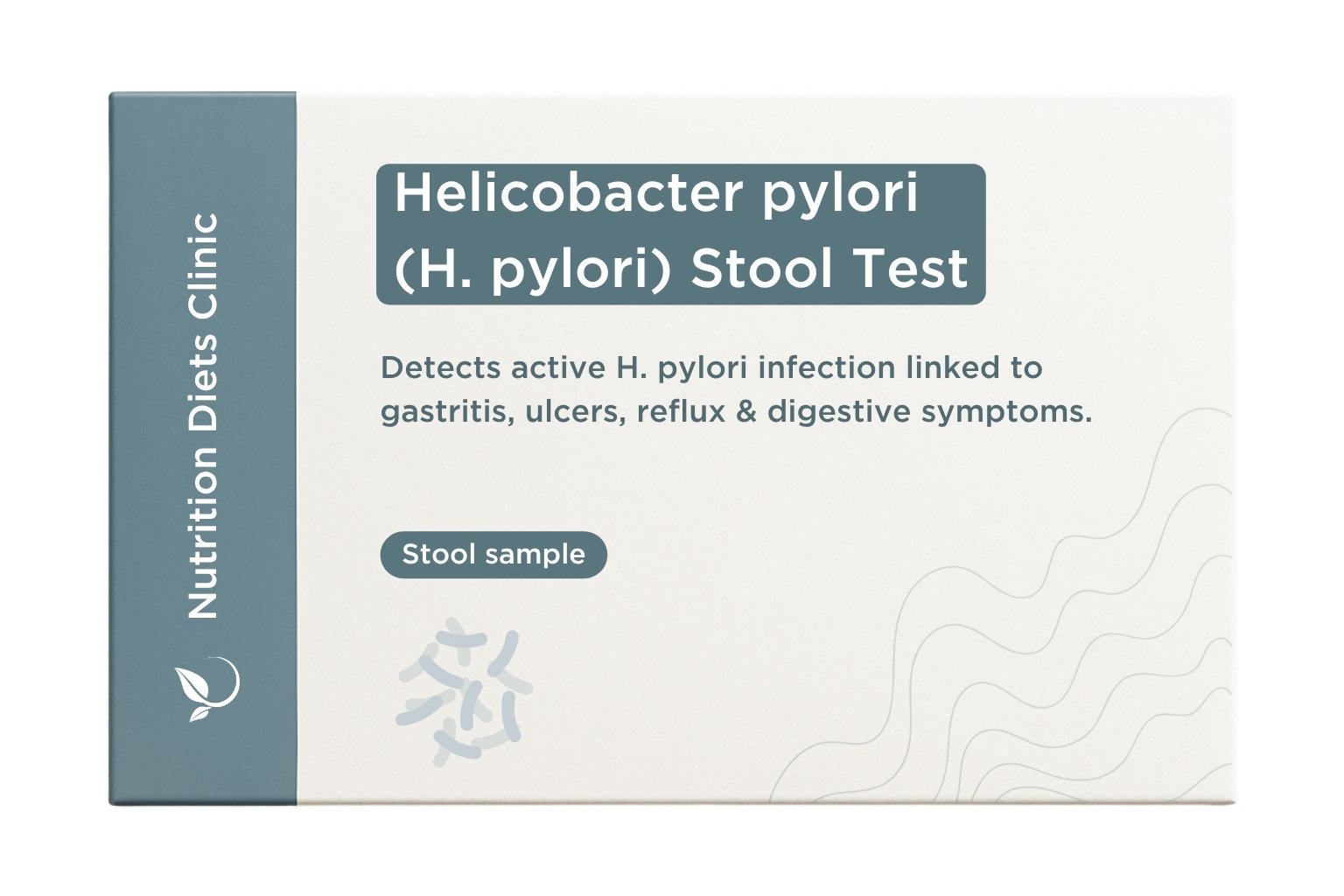
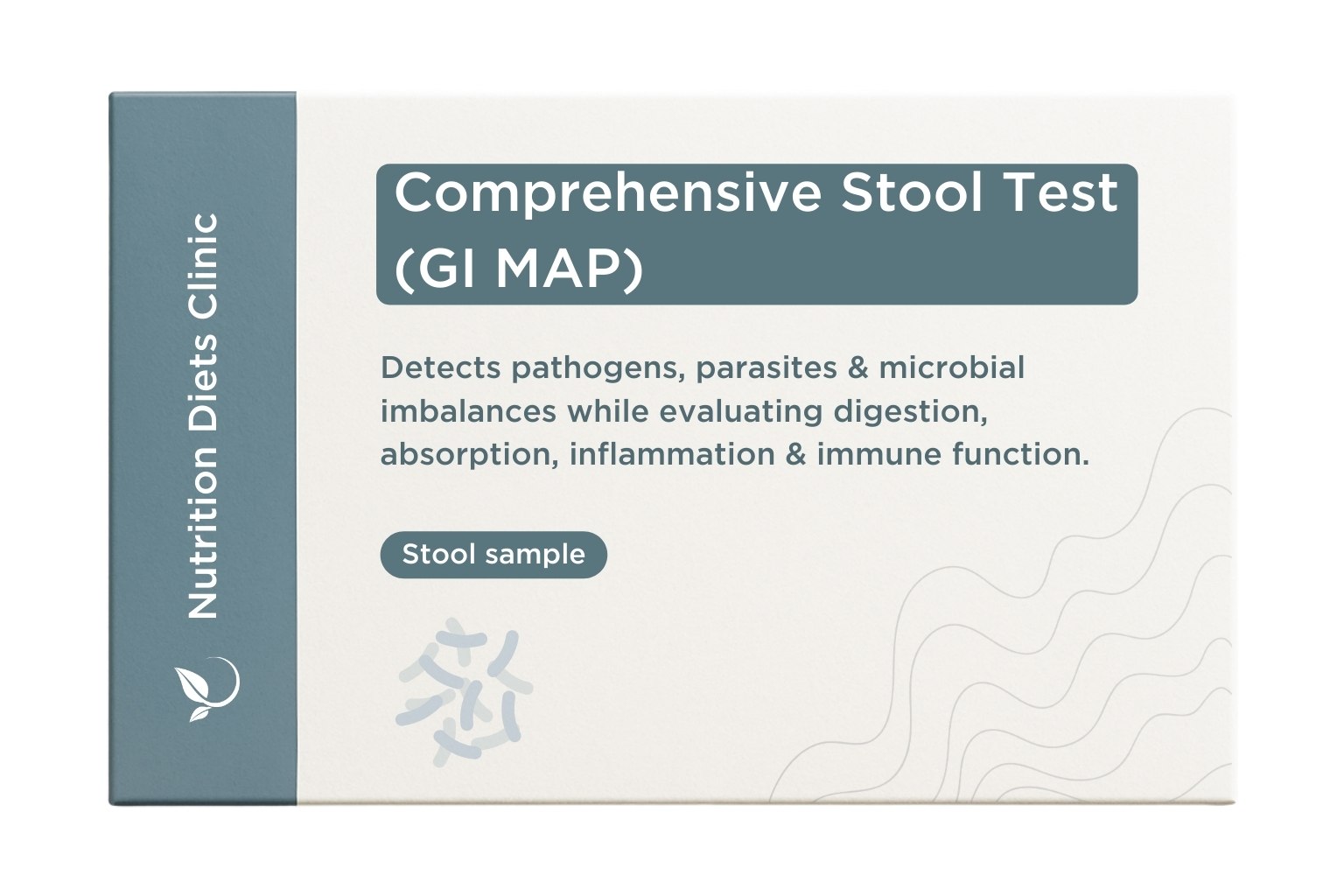
For reflux and upper-gut symptoms, a comprehensive stool test such as the GI-MAP is usually the most informative place to start, with dedicated H. pylori testing where infection is suspected. The right choice still depends on your symptoms, history and any red-flag features, so a brief consultation is the best way to confirm which option fits. Unlike guesswork or generic high-street kits, the tests below are validated, clinical-grade panels, run at home in the UK and interpreted by a practitioner.
| Test | Best for | Price |
|---|---|---|
| Helicobacter pylori (H. pylori) Stool TestRecommended Starting Point | Suspected H. pylori behind reflux, burping or nausea | £180 |
| Comprehensive Stool Test (GI MAP)Most Popular | A complete picture of gut function behind reflux | £390 |
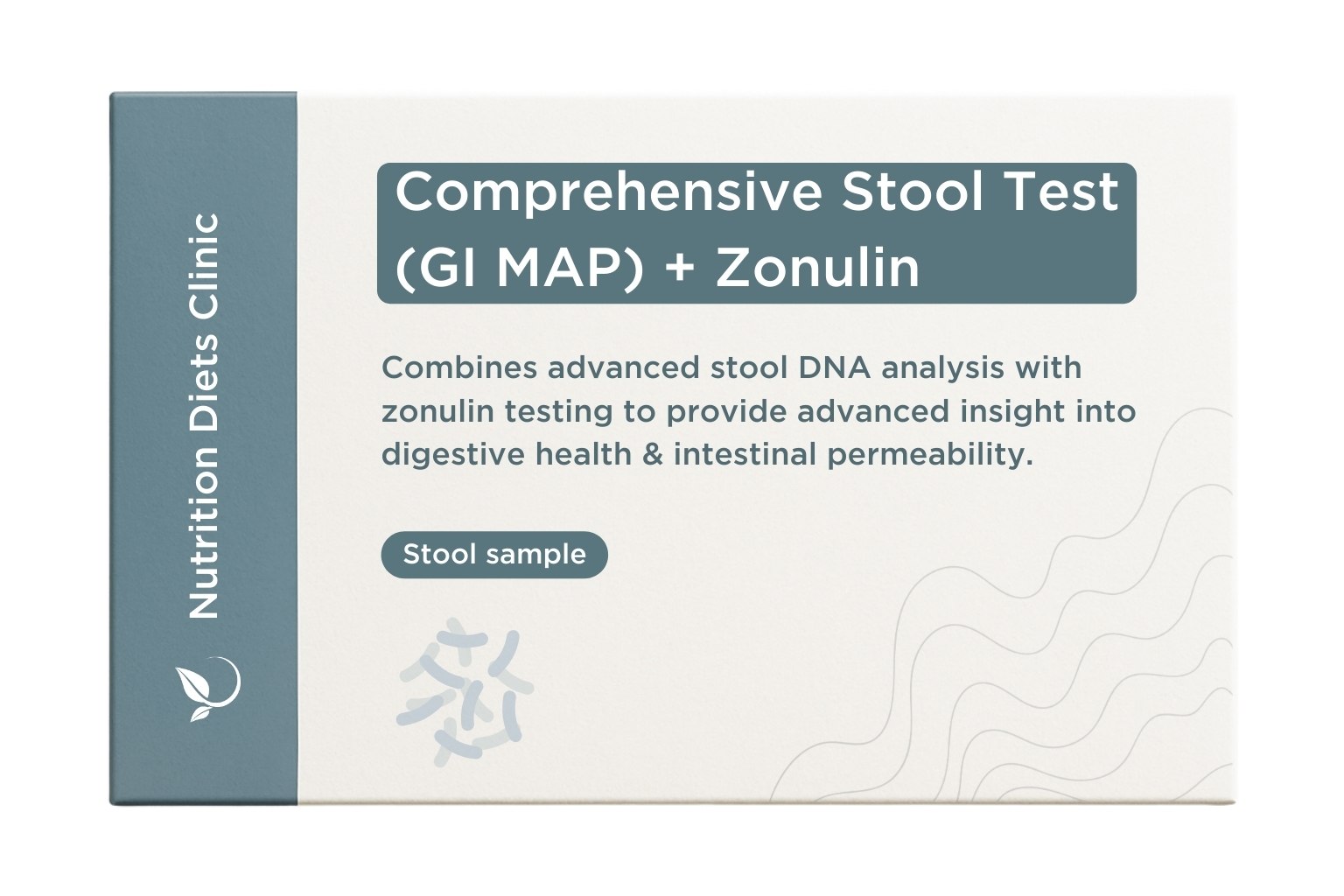
| Comprehensive Stool Test (GI MAP) Plus ZonulinMost Comprehensive | Everything in the GI MAP, plus leaky gut (zonulin) testing | £455 |
| SIBO Breath Test (Lactulose) | Bloating and reflux that point to bacterial overgrowth | £210 |
| All tests are clinical-grade and analysed by leading specialist laboratories that we partner with. | ||
Test. Don’t Guess.
Get the answers you are looking for with our range of clinical-grade at-home tests.
Easy to order. Easy to use.
How to Test for the Root Causes of Acid Reflux in the UK
Testing for the root causes of reflux is more straightforward than people expect. A clinical-grade stool test, taken at home and matched to your symptoms, can turn guesswork into a clear, personalised plan, alongside appropriate medical care rather than in place of it. Here is how it works:
- Start with a free Discovery Call with a gut health nutritionist. Book a free 15-minute Discovery Call to talk through your symptoms, medical history and current medication, and to establish whether functional testing is appropriate for you.
- Match the test to your symptoms. Based on your history, the most relevant option is identified, whether that is a targeted Helicobacter pylori (H. pylori) Stool Test, a Comprehensive Stool Test (GI MAP), or a Comprehensive Stool Test (GI MAP) Plus Zonulin where intestinal barrier integrity (leaky gut) is part of the picture.
- Order your test and collect your sample at home. Your clinical-grade test kit is posted to you with clear instructions. You collect the sample at home and return it to the laboratory using the prepaid packaging.
- The laboratory analyses your sample. One of our accredited laboratory partners processes your sample and produces a detailed report of the markers relevant to your symptoms.
- Review your results and plan your next steps. A raw laboratory report is complex scientific data, so interpreting it is a separate step. To get the most out of your results, we recommend a Lab Findings Review, where a practitioner gives you expert interpretation of what your results mean for your symptoms. Or, if you want to go a step further, a Comprehensive Consultation interprets your results alongside an in-depth clinical analysis of your health history, symptoms, diet and lifestyle, then designs a personalised plan to address the root causes they point to.
Want to explore your options? See how working with us looks on our How It Works page, or contact us for more information.

How to Ease Acid Reflux Naturally: 5 Practical Steps
Once the root causes are being investigated, the day-to-day question becomes what you can do now to feel more comfortable. The steps below are the foundations we return to most often in clinic. None of them replaces medical assessment or is a reason to stop prescribed medication without guidance, but for some people they take the daily edge off symptoms surprisingly quickly.
- Eat earlier and lighter in the evening. Give the stomach around three hours before lying down after your evening meal. Gravity does more work here than people expect, and a late, heavy dinner is one of the most common patterns I unpick. If night-time symptoms are a problem, raising the head of the bed by 10–15cm lets that same gravity keep working while you sleep.
- Slow down and chew properly. Digestion begins in the mouth, not the stomach. Eating in a rush, standing at the counter, or halfway through a stressful task undermines the whole chain before the food has even arrived.
- Reduce the obvious aggravators. Alcohol, very large meals and your own personal trigger foods, ideally while you investigate the cause rather than forever. The aim is to lighten the load, not to live on a permanently shrinking list.
- Support digestion rather than shut it down. For some people, and only under guidance, bitter foods or acid-supporting strategies help, which is the exact opposite of the conventional instinct. This has to be personalised, because for certain presentations it is the wrong move and can make things worse.
- Address the stress load. The gut and the nervous system are in constant conversation, and chronic stress measurably changes how you digest. It is not a soft add-on. For many people it is one of the levers that matters most.
Unsure which root cause applies to your symptoms? Book a free Discovery Call with our UK functional medicine practitioner to discuss whether at-home health testing is the sensible next step for you.
How to Come Off Omeprazole Safely (and Avoid Rebound Reflux)
The safest way to come off omeprazole is gradually, and with the clinician who prescribed it. Stopping a PPI abruptly can trigger a temporary surge in acid-related symptoms (rebound acid hypersecretion) that is easily mistaken for proof the medication is still needed. If you are considering reducing or stopping omeprazole, lansoprazole or another PPI, speak to your prescriber first.
For some people a gradual reduction over several weeks is appropriate. Others need ongoing treatment because of the condition being managed, such as Barrett’s oesophagus, severe oesophagitis or a history of bleeding ulcers. The right approach depends on your history and should be agreed with your GP or gastroenterology team.
See a doctor promptly, rather than relying on self-management, if you have any red-flag symptoms: difficulty or pain when swallowing, unintentional weight loss, black or bloodstained stools, vomiting blood, persistent vomiting, a lump in the abdomen, or reflux symptoms that are new or worsening and you are over 55. These features need medical assessment, not natural alternatives.
None of this means PPIs are harmful or that everyone must take them for life. It means any reduction should be planned, medically appropriate and supported, rather than attempted in a single frustrated evening.
Frequently Asked Questions About Coming Off PPIs and Supporting Acid Reflux Naturally
Is there a natural alternative to omeprazole?
Yes, though not as a like-for-like tablet. The alternatives worth considering address what is driving the reflux rather than suppressing acid, and they sit alongside your prescribed treatment rather than replacing it. No single herb or supplement replaces omeprazole, and any product marketed that way should be treated with caution. A functional medicine approach looks at whether factors such as meal timing, stress, diet, constipation, Helicobacter pylori or poor digestion are contributing, and addresses those directly. For some people this improves symptoms and reduces reliance on daily acid suppression. The right approach is individual, and prescribed medication should only be changed with the agreement of the prescribing clinician.
How do I come off omeprazole safely?
Speak to your GP or prescribing clinician before reducing or stopping omeprazole, and taper gradually rather than stopping abruptly. Some people experience rebound acid symptoms after reducing a PPI, which can make symptoms flare temporarily. Whether a gradual reduction is appropriate depends on why the medication was prescribed and whether there is an ongoing medical indication. People with Barrett’s oesophagus, severe oesophagitis, a history of bleeding ulcers or other high-risk conditions should not make changes without specialist advice. Where a reduction is clinically appropriate, nutritional therapy can support meal timing, diet, stress and the wider digestive factors during the transition.
Does low stomach acid cause acid reflux?
Sometimes, but not always, and reflux symptoms alone cannot confirm it. Low stomach acid can be relevant in some people, particularly with ageing, long-term use of acid-suppressing medication, autoimmune gastritis or certain Helicobacter pylori patterns, and may contribute to bloating, frequent burping, early fullness and discomfort after meals. But reflux can equally relate to a hiatus hernia, meal timing, delayed gastric emptying, pressure within the abdomen or the function of the lower oesophageal sphincter. When stomach contents move upwards, even a modest amount of acid can burn and irritate. This is why reflux should not be approached with a one-size-fits-all assumption.
Are PPIs bad for long-term use?
Not inherently, but long-term use should be reviewed periodically rather than left on repeat indefinitely. PPIs are valuable medicines and can be essential for some conditions. The question is whether the original reason for prescribing, the dose and the ongoing need remain appropriate. Long-term use has been associated with changes in nutrient status, including vitamin B12, magnesium and iron, and in the gut microbiome for some people, and rebound acid symptoms can occur when treatment is reduced or stopped. These associations do not mean everyone taking a PPI will have problems, but they are good reasons to review long-term treatment with the prescribing clinician.
Does H. pylori cause acid reflux?
It can contribute, but its relationship with reflux is complex and it should not be assumed to be the cause in every person. Helicobacter pylori is a bacterium that can live within the stomach’s protective mucus layer and is associated with gastritis and peptic ulcer disease. It is worth considering where there is a history of persistent upper-digestive symptoms such as frequent burping, indigestion, nausea or bloating, alongside ulcer disease, long-term PPI use, iron deficiency or a family history of stomach conditions. It is straightforward to investigate with an appropriate H. pylori stool test, or as part of a GI-MAP Comprehensive Stool Test, which also assesses recognised H. pylori virulence factors.
Can stress and diet trigger acid reflux?
For many people, yes, and they are often the most decisive factors of all. Large late meals, specific trigger foods, alcohol, weight carried around the middle and eating in a rushed or stressed state can all make reflux more likely. The gut and nervous system are in constant conversation, and ongoing stress can measurably change how you digest. These factors are the least glamorous on the list and usually cost nothing to change, which makes them a sensible place to begin while any further testing or medical investigation is under way, alongside appropriate medical care.
What tests help find the cause of acid reflux?
The right test depends on your symptoms, history and any red-flag features, but a comprehensive stool test is often the most useful starting point where reflux occurs alongside other gut symptoms. A stool test is not a diagnostic test for reflux itself, but it is informative where reflux sits alongside persistent bloating, burping, upper-abdominal discomfort, nausea, altered bowel habits or long-term PPI use. A targeted H. pylori stool test assesses Helicobacter pylori specifically. A GI-MAP Comprehensive Stool Test looks more broadly at H. pylori and virulence factors, the gut microbiome, pancreatic elastase (digestive enzyme output), calprotectin and secretory IgA, and GI-MAP Plus Zonulin adds a marker of intestinal barrier integrity. A brief consultation establishes whether testing is appropriate, which option fits, and whether GP assessment, blood tests or endoscopy are needed first.
How long do rebound acid symptoms last after stopping a PPI?
It varies from person to person. Rebound acid symptoms often appear within days of reducing or stopping a PPI and settle within a few weeks for most people, though they can occasionally last longer. This temporary increase in acid-related symptoms, known as rebound acid hypersecretion, is easily mistaken for proof the medication is still needed, so any reduction is best planned and supervised by the prescribing clinician rather than attempted suddenly. A gradual, medically appropriate reduction, with support for meal timing, diet and stress, makes the transition more manageable for those in whom stopping is clinically suitable.
YOUR HEALTH. YOUR CHOICE.
Living with reflux for months or years is wearing, and it is easy to feel caught between staying on medication and never quite getting to the bottom of why you need it. Those are not your only two options. Understanding what is driving your symptoms, and addressing it gently and in the right order, can sit comfortably alongside the medical care you already have.
Wherever you are with omeprazole, there is usually a sensible next step, and you are welcome to talk it through whenever you feel ready. A free Discovery Call is a relaxed, unhurried way to share what you have been experiencing and to explore whether looking at the root causes could help, with no obligation to go further. If it feels right, we can take the next step together, at your pace.
This article is for general information and education only. It is not medical advice and does not replace individual assessment. Do not start, stop or change any prescribed medication, including omeprazole or lansoprazole, without the guidance of your GP or prescribing clinician. If you have red-flag symptoms such as difficulty swallowing, unintentional weight loss or signs of bleeding, seek medical assessment promptly.