
Key Takeaways
Gut dysbiosis is an imbalance in the community of bacteria and microbes that live in your gut. It is a mechanism behind your symptoms, not a diagnosis in itself.
The symptoms of gut dysbiosis include bloating, wind, irregular bowel habits, food reactions, fatigue and skin flare-ups. They often follow antibiotics, stress or a low-fibre diet.
Left unaddressed, dysbiosis is linked to wider problems. These range from immune dysregulation and skin conditions to low mood and a higher risk of long-term disease.
The most reliable way to assess it is a comprehensive stool test. It maps your microbiome, digestion and gut inflammation from one at-home sample.
Gut dysbiosis is treatable. A functional medicine approach uses testing to guide targeted nutrition, lifestyle and, where needed, supplements to rebalance the gut.
Jump To
Bloated, Gassy or Constantly Reacting to Foods? Your Gut Microbiome May Be Out of Balance
A healthy gut does far more than digest your food. The trillions of microbes living inside it help train your immune system, help make vitamins such as vitamin K and several B vitamins, and influence everything from your mood to your skin. When that community is balanced and diverse, you barely notice it. When it is not, the effects can show up all over the body.
Chronic gut complaints, from bloating and wind to reflux and unpredictable bowel habits, are extremely common. They are often blamed on diet or stress alone, but an increasingly recognised and frequently missed cause is an imbalance in the gut microbiome, known as gut dysbiosis (also called intestinal dysbiosis).
This guide explains what gut dysbiosis is, the symptoms to look out for, what causes it, how to test for it properly, and the functional medicine steps that help rebalance your gut microbiome for the long term.
The average adult carries around 38 trillion bacteria, most of them living in the gut. When that community falls out of balance, the effects reach far beyond digestion.– Sender, Fuchs & Milo, PLOS Biology (2016)
What Is Gut Dysbiosis?
Gut dysbiosis is an imbalance in the community of microbes that live in your gut. It describes a microbiome that has drifted away from a healthy, diverse state, rather than a single disease with one cause. In practice it is usually a mechanism sitting behind a person’s symptoms, which is why it is so often missed by tests that only look for infection or obvious disease. You may also see it called intestinal dysbiosis, bacterial dysbiosis or microbial dysbiosis, or simply an imbalance of the gut flora.
Inside your gut live trillions of microorganisms, known collectively as the gut microbiota: bacteria, fungi, viruses and other microbes. Most are helpful, working with your body to break down food, produce vitamins and short-chain fatty acids, and keep the gut lining and immune system healthy. A smaller number are potentially harmful. When your gut is in balance, these microbes coexist peacefully and your digestive system works as it should.
Dysbiosis develops when that balance is disturbed. It usually involves one or more of the following:
- A loss of diversity in the types of microbes present
- A shortage of beneficial, protective bacteria
- An overgrowth of harmful or opportunistic microbes
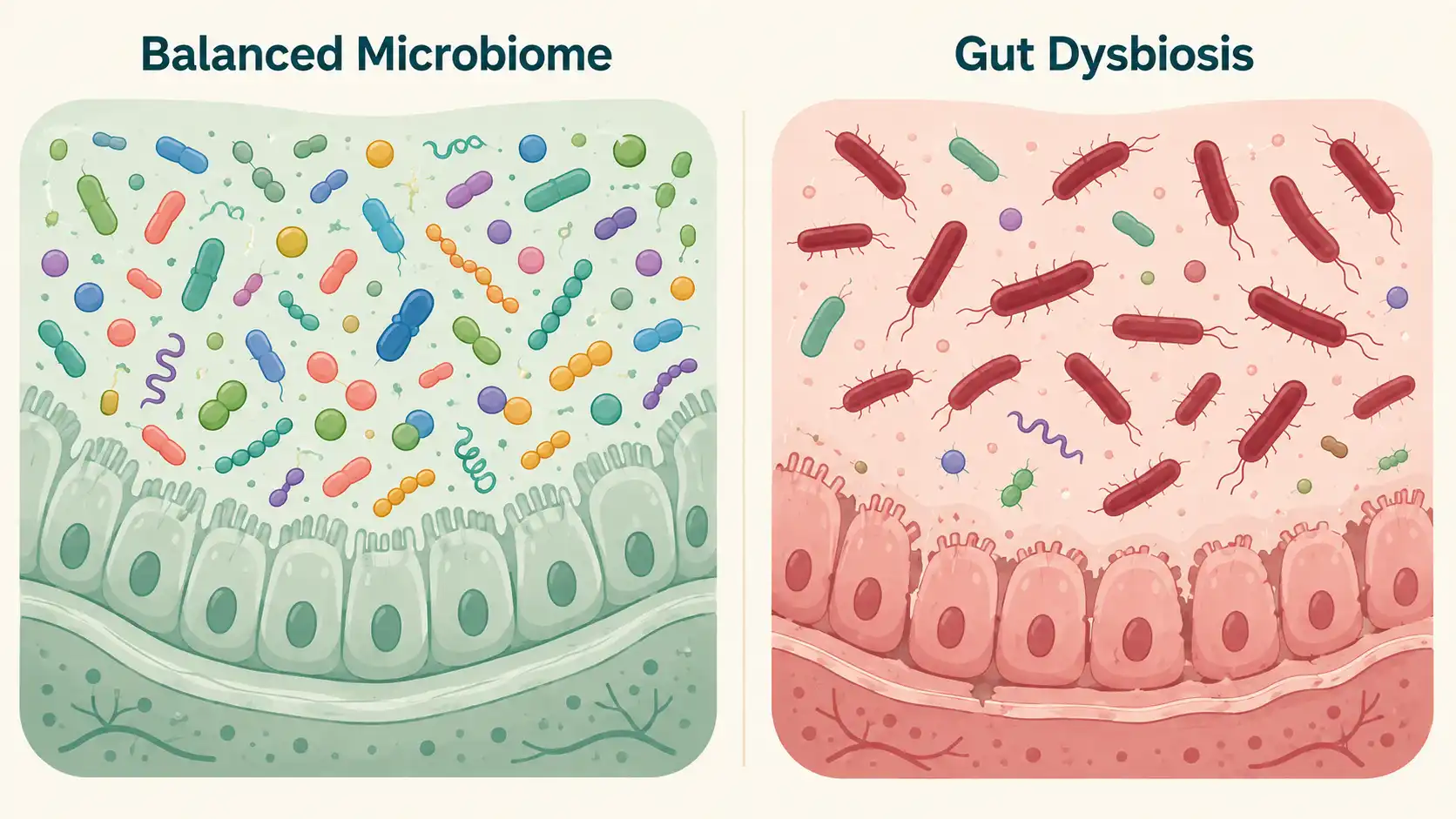
This can follow a course of antibiotics or other medications, a stretch of high stress, a low-fibre or highly processed diet, a gut infection, or drinking too much alcohol. Once the balance tips, the effects rarely stay in the gut. Allowed to persist, dysbiosis can cascade into wider health problems, from skin and mood to immune and metabolic conditions, which is why catching it early, before those knock-on effects take hold, matters so much.
Deep dive: an imbalanced microbiome can weaken the gut lining, contributing to a leaky gut (increased intestinal permeability). Read our full guide, How To Heal A Leaky Gut: The Functional Medicine Approach.
What Are the Symptoms of Gut Dysbiosis?
Because the microbiome touches so many systems, the symptoms of gut dysbiosis are broad and not always obviously digestive. Many people quietly put up with them for years, chalking it up to stress, age or simply how they are.
Common symptoms of gut dysbiosis include:
- Bloating, wind and abdominal discomfort
- Diarrhoea, constipation or an unpredictable mix of both
- Acid reflux, nausea or burping
- Food reactions and new sensitivities
- Bad breath (halitosis)
- Difficulty digesting or absorbing food, or undigested food or mucus in the stool
- Fatigue and low energy
- Brain fog, low mood or anxiety
- Skin flare-ups such as acne, eczema or rosacea
Some symptoms always warrant seeing your GP first, including blood in your stool, unexplained weight loss, or a sudden, persistent change in bowel habits.
These symptoms can have several causes, so they are a signal to investigate rather than a diagnosis on their own. Where they cluster together, or persist despite a reasonable diet, it is important to look deeper and investigate whether gut dysbiosis is behind them. If your symptoms are mainly digestive, our guide to the best gut health tests for bloating, IBS and fatigue can help you match symptoms to the right test.
How Gut Dysbiosis Affects the Rest of Your Body
Roughly 70% of your immune system sits in and around the gut wall, and your microbiome is in constant conversation with it. When the balance tips, that conversation changes, and the effects can be felt well beyond the digestive tract. Research has linked gut dysbiosis to a wide range of conditions, from allergies and autoimmune disease to metabolic and skin problems.
Gut Dysbiosis and Skin Conditions
The gut and skin are closely connected through what is often called the gut-skin axis. When the microbiome is out of balance, the low-grade inflammation and bacterial byproducts it generates can circulate in the bloodstream and show up on the skin as acne, eczema or rosacea. Rosacea in particular has been linked to gut issues such as SIBO (small intestinal bacterial overgrowth), and stubborn adult acne often has a digestive root rather than a purely hormonal or topical one. In clinic, some of the most persistent skin complaints we see, the breakouts and flare-ups that never quite respond to creams or antibiotics, only settle once the gut is addressed. If your skin is a concern, our guide to what really causes acne and how to address the root causes goes deeper.
Gut Dysbiosis, Mood and Brain Fog
Your gut and brain are in constant two-way communication along the gut-brain axis, connected directly by the vagus nerve. Gut microbes help produce and regulate neurotransmitters, including a large share of the body’s serotonin, and the short-chain fatty acids they ferment from fibre help calm inflammation and steady energy. When the microbiome is disrupted, that signalling changes, and low mood, anxiety, poor sleep, fatigue and brain fog often travel alongside the digestive symptoms. It is why so many people describe feeling mentally foggy or flat without ever connecting it to their gut. Our guide to brain fog after eating explains the food and gut connection in more detail.
Gut Dysbiosis, Inflammation and Autoimmune Conditions
A balanced microbiome is central to teaching your immune cells what to tolerate and what to attack. When dysbiosis sets in, that training breaks down: the gut lining becomes more permeable, low-grade inflammation rises, and the immune system can begin reacting to things it should ignore, including, in some people, the body’s own tissue, which is how gut imbalance is thought to feed into autoimmune conditions. Dysbiosis is strongly associated with inflammatory and autoimmune conditions in the gut, such as Crohn’s disease and ulcerative colitis, and more broadly with allergies, irritable bowel syndrome, type 2 diabetes, obesity and polycystic ovary syndrome. Catching and correcting an imbalance early is one of the most useful things you can do to keep the immune system steady.

What Causes Gut Dysbiosis?
Gut dysbiosis usually builds up over time from a combination of diet, medication, stress and lifestyle, rather than a single event. The drivers we see most often are a low-fibre or highly processed diet, repeated courses of antibiotics, chronic stress and regular alcohol.
A Low-Fibre, Highly Processed Diet
Diet is the single biggest lever on your microbiome, for better or worse. Your beneficial bacteria feed on fibre and the variety of plants you eat, fermenting them into short-chain fatty acids that nourish the gut lining and calm inflammation. A typical Western diet that is high in sugar, refined fat and processed food, and low in fibre, effectively starves those helpful species while feeding less desirable ones, including some that thrive on sugar. Some additives and emulsifiers in processed foods can also disturb the gut lining and the balance of the microbiome. The encouraging flip side is that the microbiome responds quickly to change, and eating a wider range of plants is one of the simplest ways to rebuild diversity.
Antibiotics and Other Medications
Antibiotics are sometimes essential, but they clear beneficial bacteria along with the harmful ones, and studies show the microbiome does not always fully recover on its own, with some species slow to return, or lost altogether, after repeated courses. Other medications can shift the balance too: long-term acid suppressants (PPIs) lower stomach acid, which normally helps keep bacterial numbers in check, while some others alter gut motility or the microbes directly. In clinic, a history of frequent antibiotics is one of the most common threads we see behind a stubbornly imbalanced gut.
Chronic Stress and the Gut-Brain Axis
Ongoing stress changes the gut through the gut-brain axis. Raised cortisol can alter how quickly food moves through the gut, thin the protective mucus layer that shields the gut wall, and shift the balance of microbes towards less helpful species. The relationship runs both ways: an imbalanced gut can heighten the body’s stress response, creating a loop where stress and gut symptoms feed each other. It is why calming the nervous system, through sleep, downtime and stress management, is a genuine part of gut treatment rather than an afterthought.
Alcohol, Infections and Environmental Factors
Regular alcohol is a common and underestimated driver. It can reduce microbial diversity, encourage the overgrowth of less favourable bacteria and irritate the gut lining. Gut infections are another route: a bout of food poisoning or a travel-related stomach bug can disrupt the microbiome long after the acute illness has passed, sometimes leaving ongoing symptoms or post-infectious IBS in their wake. Everyday exposure to environmental toxins can add to the burden, particularly when the gut is already under strain.
Deep dive: alcohol affects the gut microbiome in more ways than most people realise. Read our full guide, The Gut-Alcohol Connection: How Alcohol Impacts Your Gut Health.
How to Test for Gut Dysbiosis in the UK
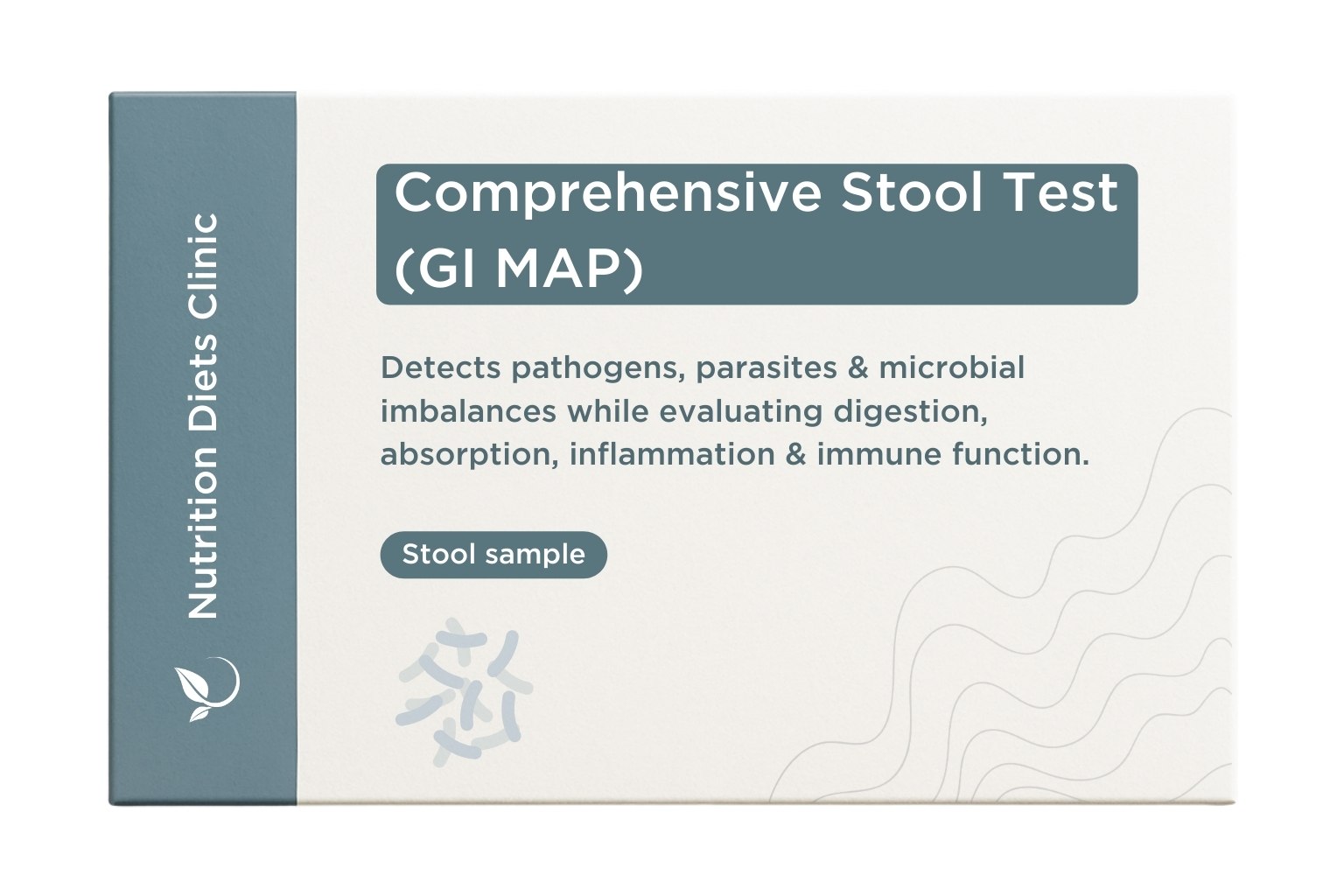
Gut complaints are very common, yet many people normalise feeling unwell rather than seeking help. The most reliable way to test for gut dysbiosis is a comprehensive stool test: a functional lab test that maps your microbiome from a sample you collect at home, rather than guesswork or an elimination diet alone.
These non-invasive, at-home tests give a detailed picture of your gut: which microbes are present, whether there is an overgrowth or a lack of diversity, how well you are digesting your food, and whether there is inflammation. That picture is what turns a vague sense that something is wrong into a clear, targeted plan.
In our clinical practice, one of the most common patterns we see is someone who has been told their gut is fine after standard tests or mass-market consumer health tests, yet still feels bloated, tired and reactive every day. A clinical-grade comprehensive stool test almost always tells a different story. Once we can see which microbes are overgrown and which are missing, the guesswork stops and a targeted, personalised gut-healing protocol can be put in place.
The right test depends on your symptoms. The table below shows the tests we use most often for gut dysbiosis and what each one is best suited to. For a fuller explanation of how at-home functional testing works, see our complete guide to functional medicine tests.
| Test | Best for | Price |
|---|---|---|
| Comprehensive Stool Test (GI MAP)Recommended Starting Point | A complete picture of your gut microbiome: dysbiosis, bloating and IBS | £390 |
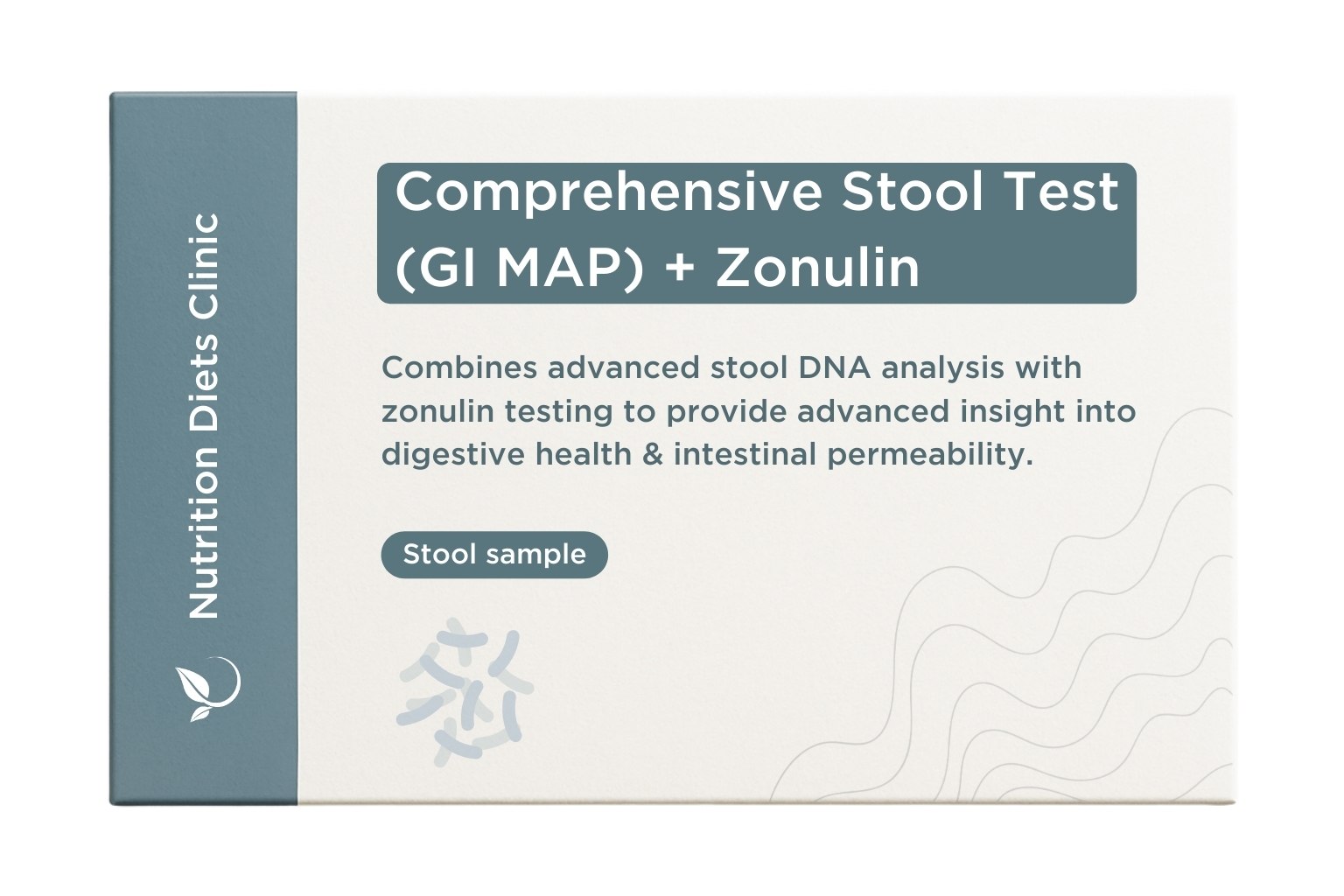
| Comprehensive Stool Test (GI MAP) Plus ZonulinMost Comprehensive | Everything in the GI MAP, plus leaky gut (zonulin) testing | £455 |
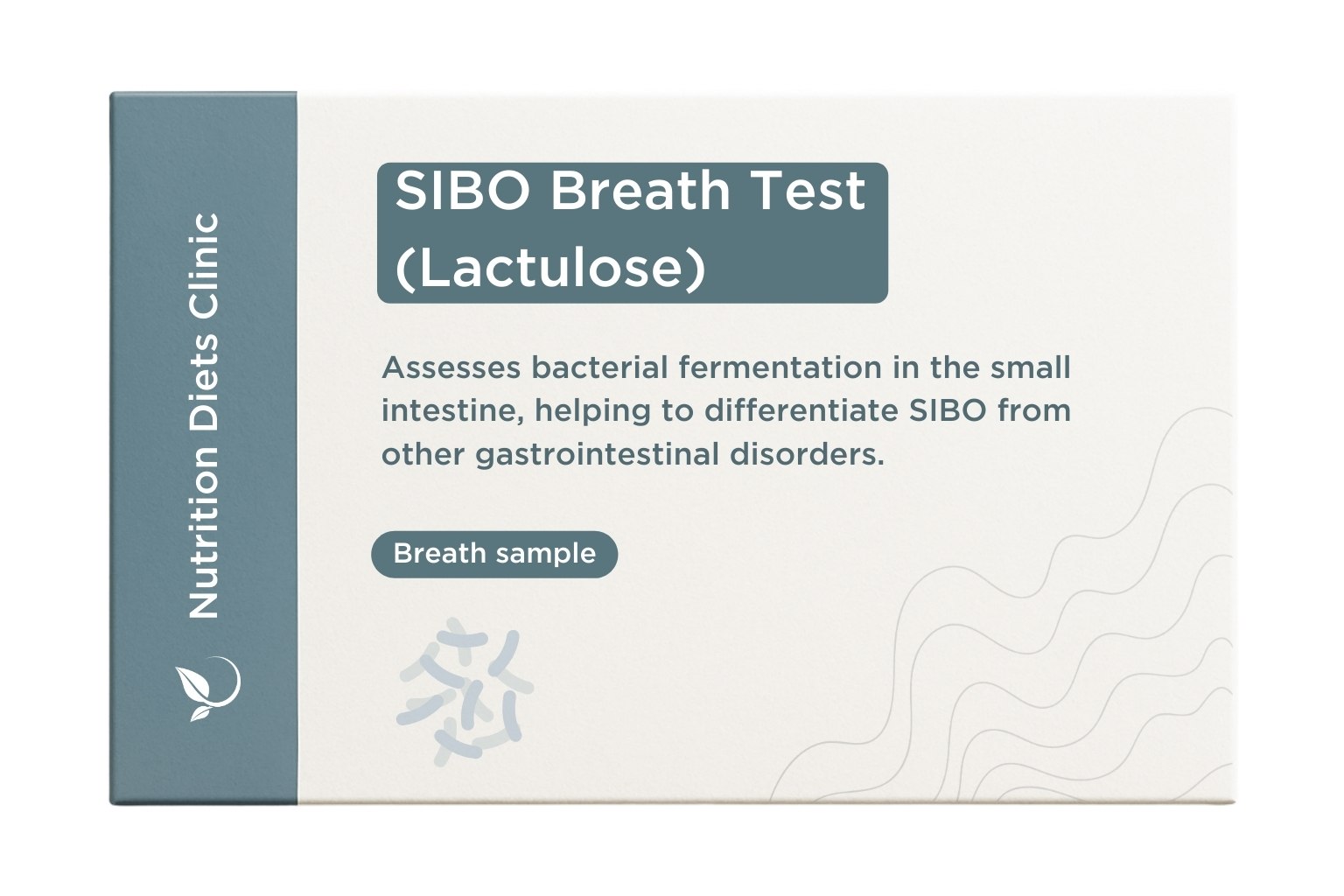
| SIBO Breath Test (Lactulose) | Bloating, wind and reflux that point to bacterial overgrowth | £210 |
| Food Sensitivity & Intolerance Test (200+) | Food reactions, sensitivities and unexplained flare-ups | £280 |
| Helicobacter pylori (H. pylori) Stool Test | Suspected H. pylori infection behind gut symptoms | £180 |
| All tests are clinical-grade and analysed by leading specialist laboratories that we partner with. | ||
Not sure which test is right for you?
A free Discovery Call lets you talk it through with our functional medicine practitioner, so you can choose with confidence rather than guessing.
Test. Don’t Guess.
Get the answers you are looking for with our range of clinical-grade at-home tests.
Easy to order. Easy to use.
How to Heal Gut Dysbiosis with Functional Medicine
The reassuring news is that dysbiosis is rarely permanent: with the right support, the gut can be brought back into balance. Because it develops from several factors, the most effective approach is not a single supplement or a one-size-fits-all diet, but a structured plan built around your test results. In functional medicine we usually work through a clear sequence, often called the 5R framework, to rebalance the microbiome.
In short, treating gut dysbiosis means removing what is feeding the imbalance, restoring the beneficial bacteria through diet and, where needed, probiotics, and repairing the gut lining. For most people, a consistent, test-led plan can reverse it.
- Assess: start with testing, so the plan is based on your actual microbiome, digestion and any overgrowth or infection, rather than guesswork.
- Remove: address what is disrupting the balance, such as an overgrowth of harmful microbes, a gut infection, alcohol or the inflammatory foods identified by testing.
- Replace: support digestion with the nutrients, fibre and, where needed, digestive support your gut needs to break food down properly.
- Reinoculate: feed and restore beneficial bacteria with a diverse, fibre-rich diet, fermented foods and, where appropriate, targeted probiotics.
- Repair and rebalance: nourish the gut lining and protect your progress with sleep, stress management and movement that keep the microbiome healthy long term.
Nutrition for a Healthy Microbiome
Food is the fastest way to change the microbiome. A varied, fibre-rich diet built around plants, wholegrains and fermented foods feeds your beneficial bacteria and encourages the short-chain fatty acids that support the gut lining and immune tolerance. In contrast, a Western diet rich in red and processed meat, sugar, refined fat and salt encourages imbalance and can contribute to a leaky gut, or intestinal permeability. Everyone is unique and reacts differently to foods, so the diet that works for a friend may not be optimal for you. A functional medicine practitioner uses your health history, symptoms and lab results to design the right plan for you.
Lifestyle
Simple, consistent habits make a real difference to gut health: eating whole foods, staying hydrated, prioritising sleep, moving your body regularly, keeping good dental hygiene, and swapping harsh personal-care and cleaning products for gentler alternatives. Managing stress matters just as much, because the gut-brain axis means a calmer nervous system supports a calmer gut.
Supplements
Used well, targeted supplements such as specific probiotics and prebiotics can help restore balance, and studies show improvements in dysbiosis across a range of situations. They are not right for everyone, though. Some people, including those on certain medications, need to be cautious, and probiotics can cause temporary bloating as the gut adjusts, so they are best introduced gradually and, ideally, guided by test results rather than guesswork.
Frequently Asked Questions About Gut Dysbiosis
What is gut dysbiosis?
Gut dysbiosis is an imbalance in the bacteria and other microbes that live in your gut. It happens when you lose microbial diversity, run short of beneficial bacteria, or grow too many harmful ones. Rather than a single disease, it is a mechanism that can sit behind bloating, irregular bowel habits, food reactions and many other symptoms.
What are the symptoms of gut dysbiosis?
The most common symptoms are bloating, wind, diarrhoea or constipation, reflux, food reactions and bad breath. Because the microbiome affects the whole body, dysbiosis can also show up as fatigue, brain fog, low mood or skin flare-ups such as acne and eczema.
What causes gut dysbiosis?
The usual drivers are a low-fibre or highly processed diet, repeated courses of antibiotics or other medications, chronic stress, gut infections and regular alcohol. It normally builds up from a combination of these over time rather than a single event.
How do you test for gut dysbiosis?
The most reliable way to test for gut dysbiosis is a comprehensive stool test, completed at home. It maps which microbes are present, whether there is an overgrowth or a lack of diversity, how well you are digesting, and whether there is inflammation. A SIBO breath test can add detail where bacterial overgrowth is suspected.
How do you treat or fix gut dysbiosis?
Gut dysbiosis is treatable. A functional medicine approach uses your test results to guide a structured plan: removing what is disrupting the balance, restoring beneficial bacteria with a diverse, fibre-rich diet and, where appropriate, probiotics, and repairing the gut with supportive lifestyle changes. This is usually far more effective than taking a probiotic and hoping.
What is the best diet for gut dysbiosis?
There is no single dysbiosis diet, but the pattern that helps most is varied and fibre-rich: plenty of different plants, wholegrains and fermented foods to feed your beneficial bacteria and the short-chain fatty acids they produce. The main foods to cut back on are sugar, ultra-processed foods and excess alcohol, which tend to feed less helpful microbes. Because food reactions differ from person to person, the most effective diet is one tailored to your symptoms and test results rather than a one-size-fits-all plan.
Can gut dysbiosis be cured?
In most cases, yes. The microbiome responds quickly to change, and many people notice improvement within a few weeks of a targeted, test-led plan. How long full rebalancing takes depends on the cause and how long the imbalance has been present.
Is gut dysbiosis the same as leaky gut or SIBO?
They are related but not the same. Dysbiosis is an imbalance of the gut microbes. It can contribute to a leaky gut (increased intestinal permeability) and to SIBO (small intestinal bacterial overgrowth), and these often occur together, which is why testing helps identify exactly what is going on.
YOUR HEALTH. YOUR CHOICE.
Rebalancing your gut is rarely about a single probiotic. It is about finding what has tipped your microbiome out of balance and addressing it in the right order.
At Nutrition Diets Clinic, we identify and correct the imbalances behind your symptoms using the functional medicine approach: expert one-to-one nutritional therapy, personalised nutrition, targeted testing and lifestyle support, all built around you.