
Key Takeaways
Your liver detoxifies around the clock through two enzyme-driven phases, so a liver detox is about reducing its burden and supplying the right nutrients, not forcing a dramatic cleanse.
Fatigue, sugar cravings, sluggish digestion, skin blemishes and stubborn weight can all signal a liver under strain, though they are non-specific and best read alongside testing.
Food and lifestyle carry most of the load: cruciferous and sulphur-rich vegetables, leafy greens, good hydration, quality sleep and less alcohol give your liver what both detox phases need.
Functional testing shows how well your detox pathways are actually working, so a NutrEval, methylation genetic test or DUTCH Plus lets support be personalised rather than guessed.
Jump To
Tired, Sluggish or Struggling With Your Weight? Your Liver Detox Explained
Your liver is one of the hardest-working organs in your body. It filters your blood, breaks down what you eat and drink, clears hormones and medications, and neutralises the toxins you take in from food, alcohol and the environment. When it is coping well, you barely notice it. When it is overloaded, the effects can show up as fatigue, sluggish digestion, skin problems and that persistent feeling of being run down.
Modern life gives the liver a lot to process: ultra-processed foods, alcohol, plastics, pesticides, air pollution and chronic stress all add to its workload. A functional medicine approach to a liver detox is not about a quick cleanse or a punishing juice fast. It is about lightening the load your liver carries and giving it the specific nutrients it needs to do its job well, guided where possible by testing rather than guesswork.
Nearly 1 in 10 people who receive a liver scan show signs of liver damage, and liver disease has become one of the fastest-growing causes of premature death in the UK, with around 10,500 premature deaths reported in 2021.– British Liver Trust
What Is Liver Detoxification?
Your liver stands guard at the gateway between your gut and the rest of your body, intercepting toxins and harmful substances and converting them into compounds that can be safely removed. It does this through two connected phases that need to stay in balance.
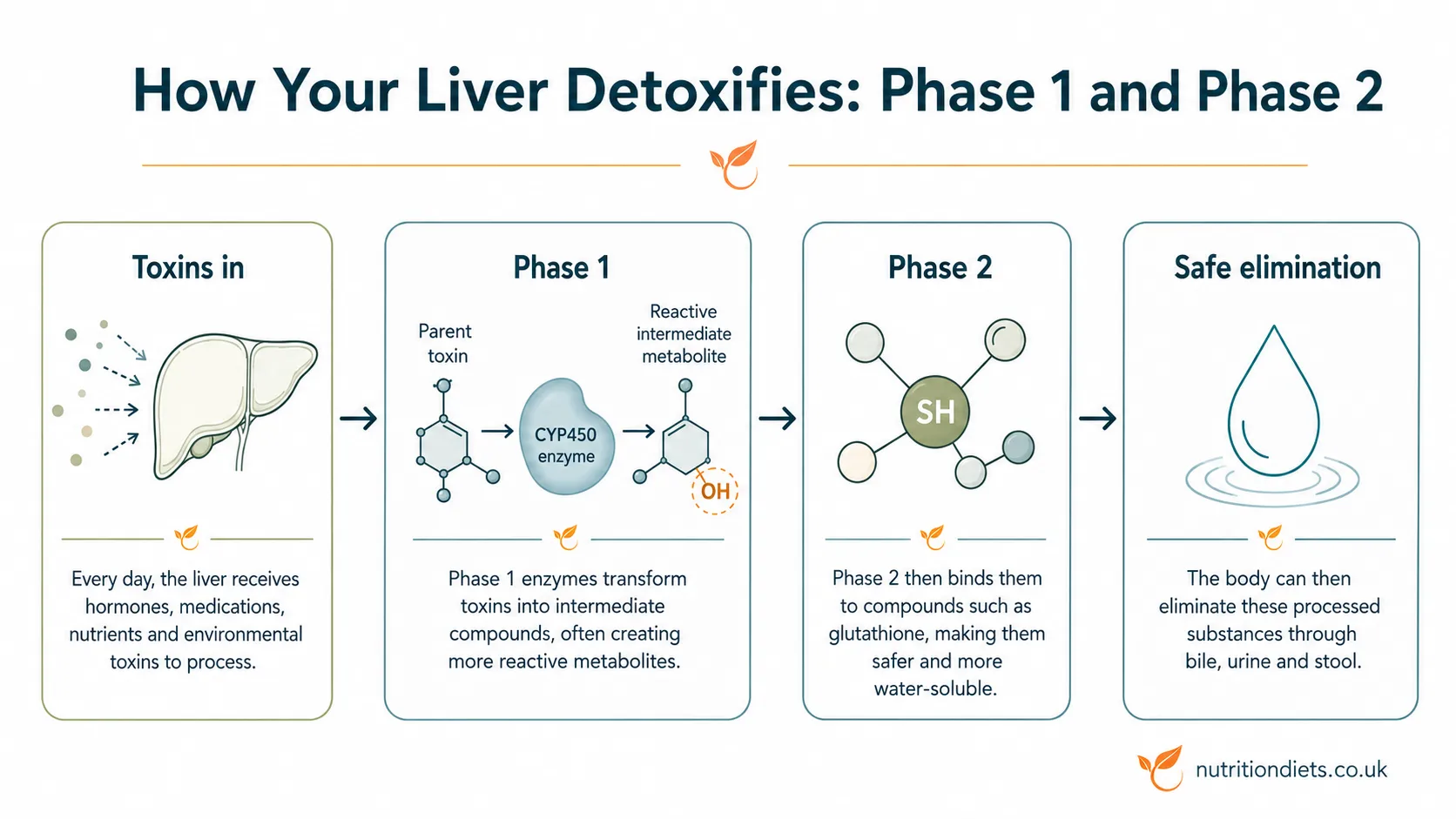
Phase 1 detoxification uses a family of enzymes known as the cytochrome P450 system to transform fat-soluble toxins through oxidation, reduction and hydrolysis. This step is essential, but it can create reactive intermediates that are more harmful than the original substance, which is why good antioxidant support matters to protect liver cells along the way.
Phase 2 detoxification then binds those intermediates to molecules such as glutathione, glycine or sulphur compounds, making them water-soluble so they can leave the body through bile, urine or stool. Healthy bile flow is part of this picture, because bile is one of the main routes by which processed toxins are carried out through the gut. If sluggish bile is part of your picture, our guide to improving liver and gallbladder health covers it in more depth. When Phase 1 runs faster than Phase 2 can keep up, reactive compounds build up, which is where targeted nutrition and, where needed, testing come in.
Signs Your Liver May Need Support
Recognising the signs that your liver may be under strain is an important first step. These signs are sometimes described as liver detox symptoms, and they are non-specific, meaning they can have many causes, so they are best interpreted alongside a full clinical picture rather than assumed to point at the liver on their own. Common signs your liver may need support include:
- Sugar cravings that seem hard to satisfy.
- Lingering fatigue despite enough rest.
- Irregular bowel movements or pale stool.
- Skin blemishes, breakouts or irritation.
- Heightened sensitivity to chemicals, smells and strong scents.
- Concerns about body odour or persistent bad breath.
- Feeling wired, stressed or anxious.
- Difficulty losing weight despite your best efforts.
- Discomfort or bloating in the upper right side of your abdomen.
Common Toxins That Burden Your Liver
Understanding what adds to your liver’s workload is one of the first steps in reducing the strain on it. Broadly, the toxins your liver has to process fall into three groups:
- Environmental toxins: pesticides, heavy metals and air pollutants.
- Dietary toxins: ultra-processed foods, artificial additives and excess alcohol.
- Endogenous toxins: the natural by-products of your own metabolism, including used hormones the liver has to clear.
You cannot avoid every toxin, and you are not meant to. The goal is to reduce the burden where you reasonably can so your liver has more capacity for the work only it can do.

How Functional Medicine Supports Liver Detox
Functional medicine takes a personalised, root-cause approach to liver health. Rather than reaching for a generic cleanse, it asks a more useful question: what is actually adding to this person’s toxic load, and how well are their own detoxification pathways working? The answers differ from one person to the next, which is why a plan that works well for one person can do very little for another.
That approach focuses on three things: reducing the toxins coming in, supplying the nutrients that Phase 1 and Phase 2 depend on, and supporting the systems that carry processed toxins out, including digestion and bile flow. Testing makes this precise, because it turns vague symptoms into a clear picture of where support is most needed.
How to Test Your Liver’s Detoxification Function
Symptoms alone rarely tell you how well your liver is detoxifying. Functional testing does, by showing your nutrient reserves, your antioxidant status, your genetic detox capacity and how your body is clearing hormones. That is what allows support to be matched to you rather than applied as a one-size-fits-all protocol. If you want to see how at-home functional testing works, our complete guide to functional medicine testing walks through it.
Practitioner insight: In our clinical practice, the people who feel most stuck with sluggish detoxification are rarely the ones who need a stricter cleanse. They tend to do far better once we test first, understand how their individual pathways are working, and then match nutrition and lifestyle changes to what the results actually show. Guesswork is what keeps people cycling through cleanses that never quite work.
| Functional test | Best for | Price |
|---|---|---|
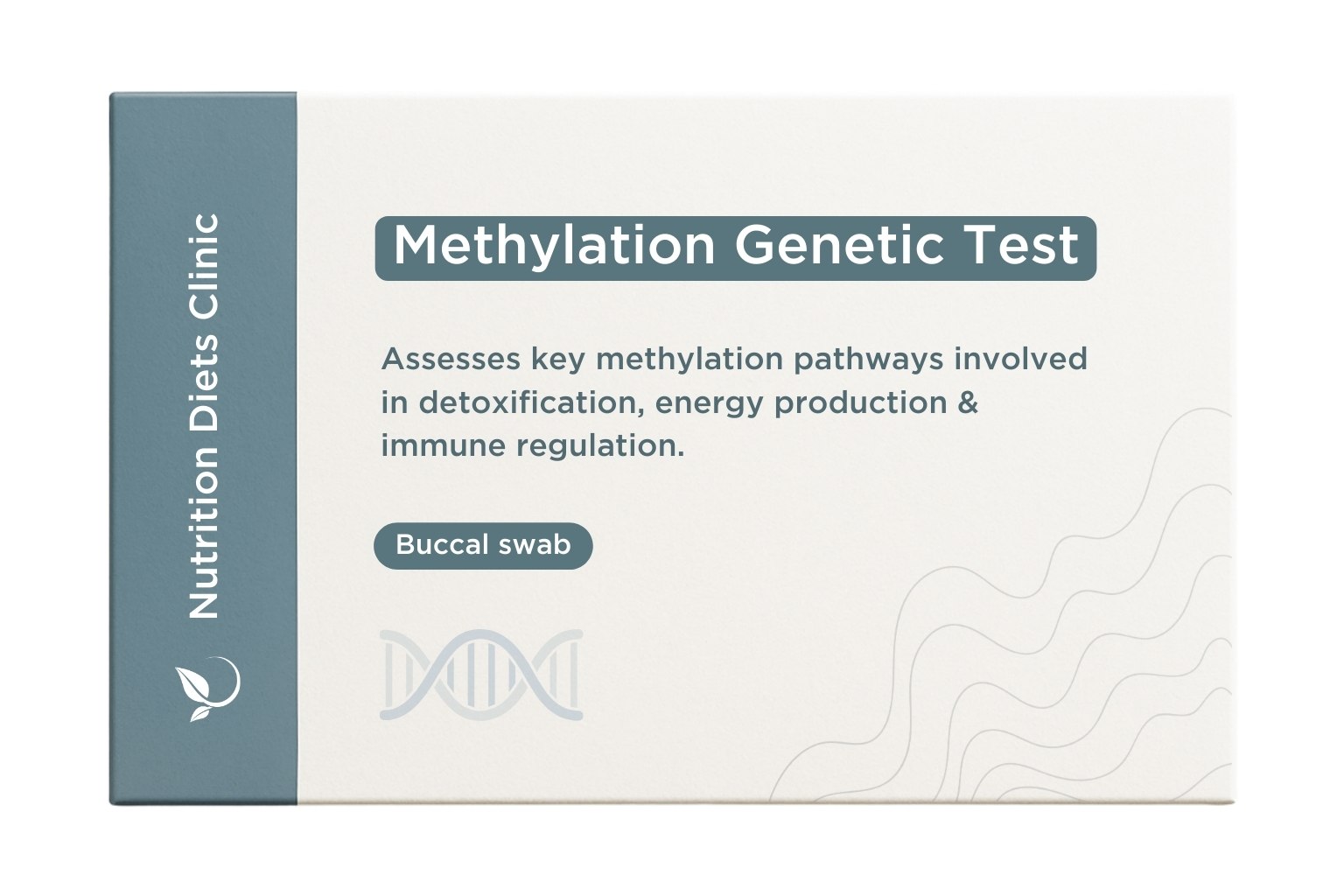
| Methylation Genetic Test Recommended Starting Point | Understanding your genetic capacity for Phase 2 detoxification and methylation. | £310 |
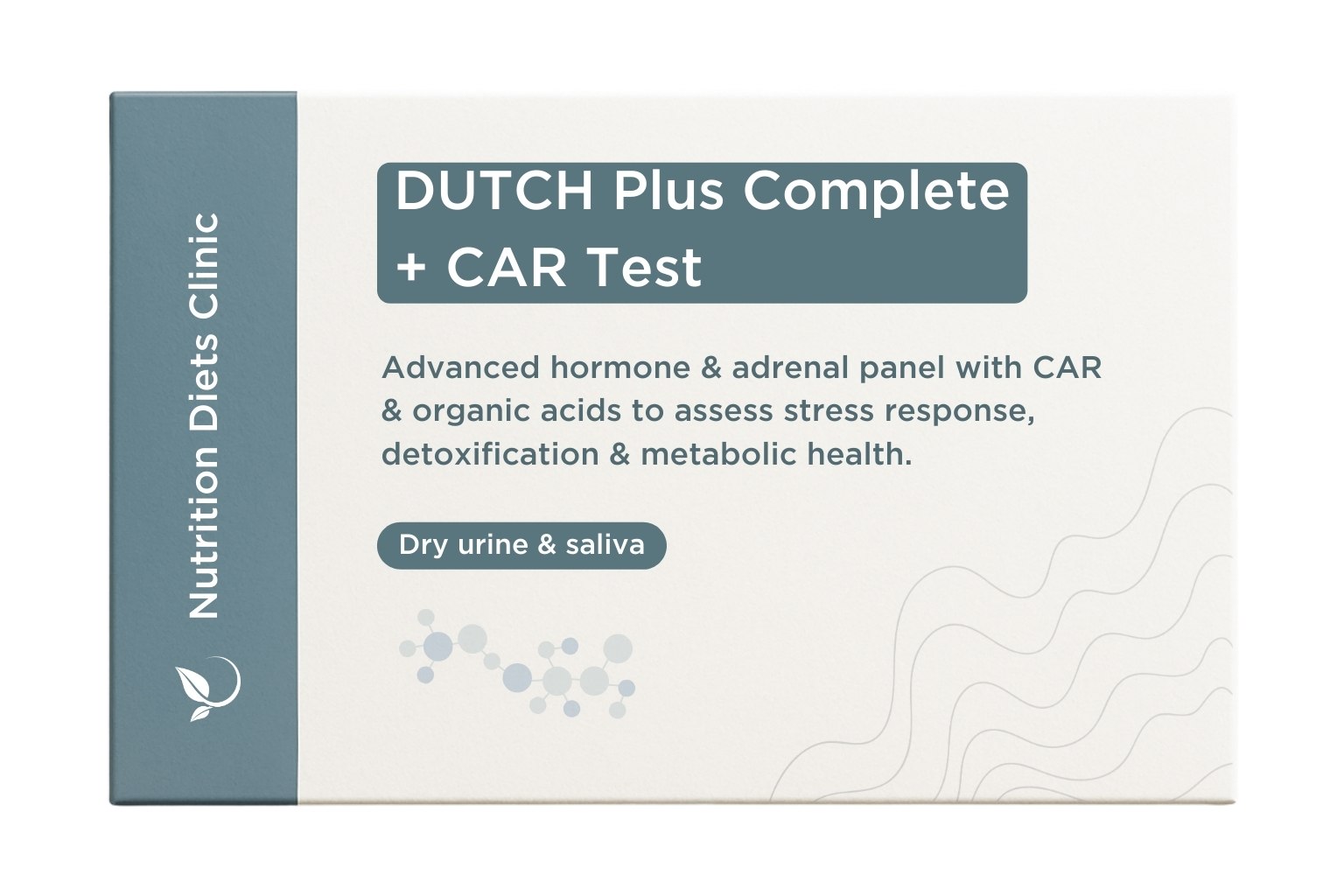
| DUTCH Plus Complete Test Most Popular | Understanding how your liver is clearing hormones, alongside your stress and cortisol pattern. | £365 |
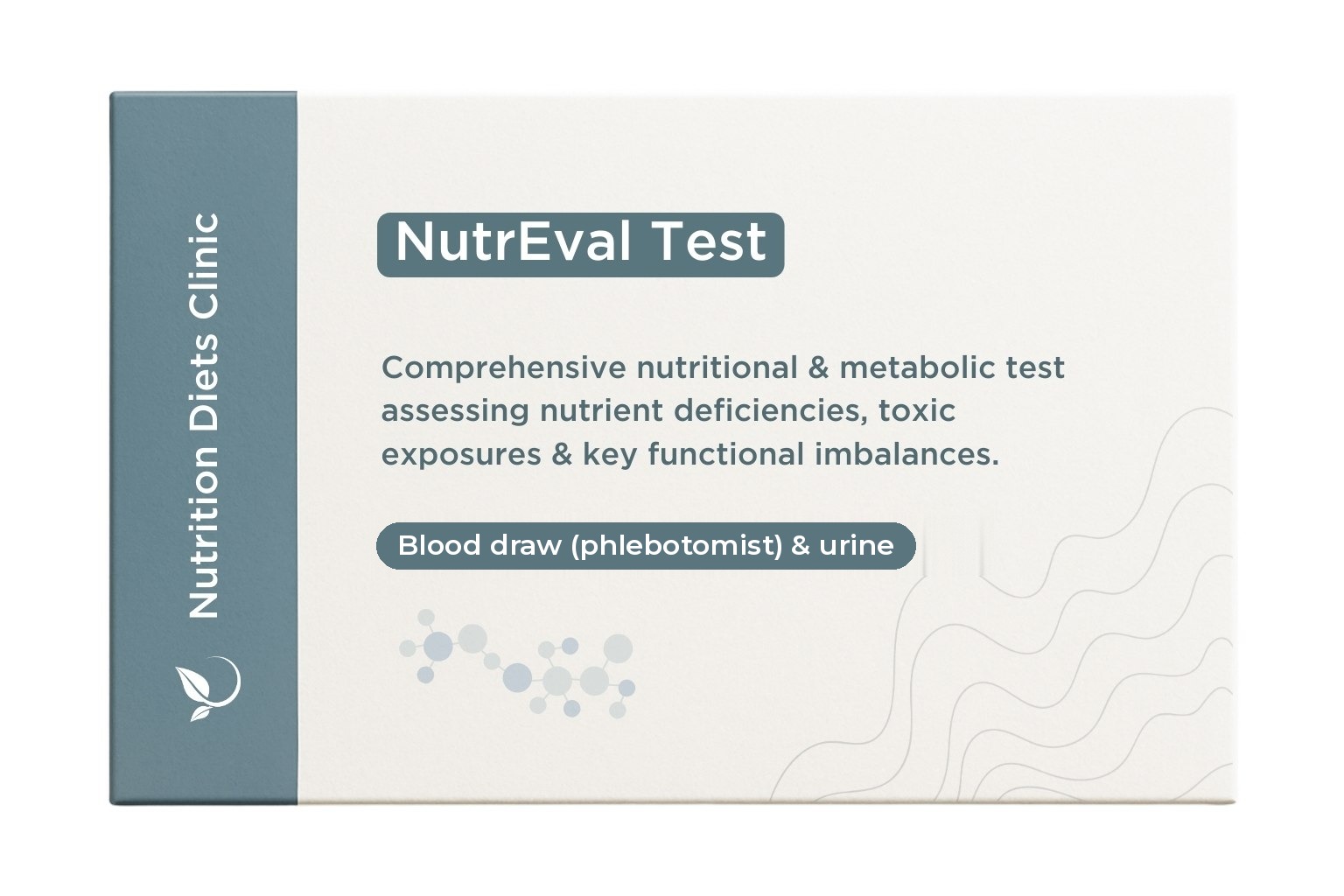
| NutrEval Test Most Comprehensive | A complete picture of nutrient status, antioxidant reserves and markers of oxidative stress. | £695 |
| All tests are clinical-grade and analysed by the leading specialist laboratories we partner with. | ||
Not sure where your liver detox is getting stuck?
On a free Discovery Call, our functional medicine practitioner can point you to the test that actually fits your symptoms, so you spend on the right answer rather than guesswork.
Test. Don’t Guess.
Get the answers you are looking for with our range of clinical-grade at-home tests.
Easy to order. Easy to use.
How To Detox Your Liver Naturally: 3 Functional Medicine Strategies
Once you know what your liver needs, supporting it comes down to three practical strategies. Together they reduce the load your liver carries and give it the nutrients it depends on for both phases of detoxification.
1. Detoxify Your Liver With Personalised Nutrition
There is no single liver detox diet that works for everyone, because the right foods depend on your own toxic load and what your detox pathways are short of. Personalised nutrition is one of the foundations of functional medicine and of liver health. In one-to-one consultations, a practitioner identifies which toxins are adding to your load and which nutrients your pathways need, using testing where helpful. The principles that support almost everyone are:
- Antioxidant-rich foods: vitamin C, vitamin E, selenium and the phytonutrients in berries and leafy greens help neutralise the reactive compounds produced during Phase 1, protecting liver cells from oxidative damage.
- Healthy fats: the essential fats in oily fish, flaxseed, avocado and olive oil support cell membranes, help modulate inflammation and improve how the liver handles fat.
- High-fibre foods: fibre from vegetables, fruit and whole grains binds processed toxins in bile and helps carry them out through the stool.
- Good hydration: often overlooked, adequate filtered water supports the kidneys and the elimination of water-soluble toxins. Herbal teas such as dandelion, nettle and ginger can add gentle support.
- Polyphenols: found in green tea, turmeric and berries, these have antioxidant and anti-inflammatory properties that support liver cells.
- Sulphur-rich foods: eggs, garlic, onions and cruciferous vegetables such as broccoli and Brussels sprouts supply the sulphur compounds that drive Phase 2 detoxification and glutathione production.
- Bitter, bile-supporting foods: rocket, chicory, artichoke and dandelion, along with good hydration, encourage healthy bile flow and bile production, which is one of the main ways your liver carries processed toxins out of the body.
2. Make Lifestyle Changes That Support Detoxification
Alongside nutrition, everyday habits have a real effect on how well your liver copes.
- Reduce your toxin exposure: cut back on alcohol and tobacco, choose lower-toxin household and personal-care products where you can, and consider filtered water, since tap water can carry trace metals and residues depending on where you live. Lowering the load frees up your liver’s capacity.
- Prioritise sleep: much of the body’s repair and clearance happens overnight. Aim for 7 to 9 hours, and give yourself a screen-free wind-down before bed and after waking.
- Manage your stress: chronic stress raises cortisol and adds to inflammation, which the liver then has to contend with. Simple, sustainable practices such as breathing exercises, walking, gardening or a warm bath do more than an occasional grand gesture.
- Move regularly: a mix of aerobic exercise and strength training supports circulation, helps maintain a healthy weight and reduces fat building up in the liver.
3. Take Targeted Supplements For Liver Support
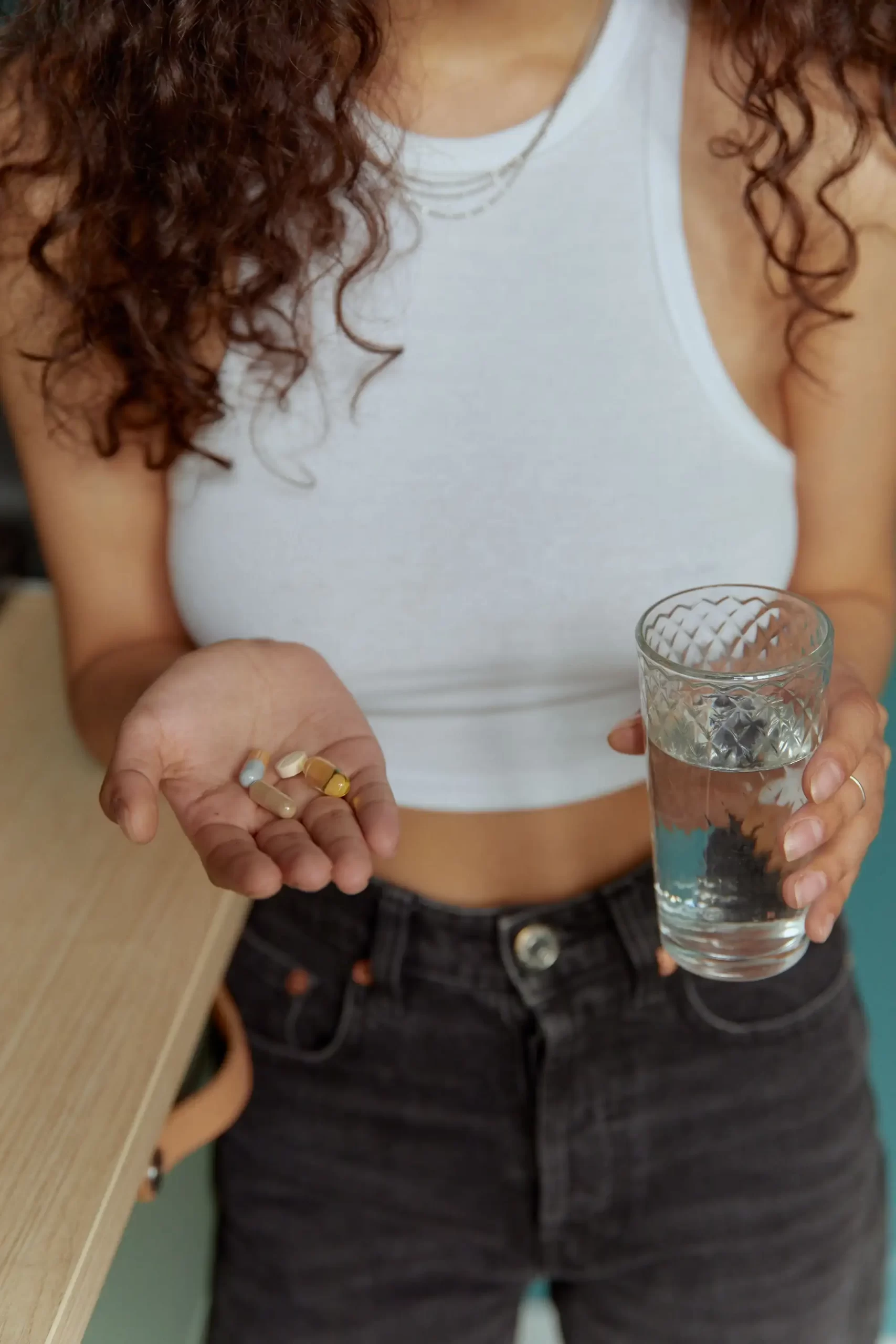
A balanced diet does most of the work, but certain supplements can give the liver extra support where it is needed. Please treat the following as general information, not a prescription. Supplements should be matched to you, especially if you take medication or have food sensitivities, so it is best to check with your practitioner or doctor first.
Nutrients often used to support the liver’s antioxidant defences and detox pathways include milk thistle, glutathione, N-acetyl-cysteine, alpha-lipoic acid, turmeric, vitamin C and selenium. A practitioner will help you decide which, if any, are right for you, and at what dose, rather than layering on supplements in the hope that something helps.
Wondering what a personalised liver plan actually looks like?
Every plan we build starts with your health history and how you actually feel, plus any relevant doctor’s reports or test results. We then match nutrition and lifestyle guidance, plus a supplement protocol, specifically to you rather than a one-size-fits-all cleanse. If you would like to see how the process works, from your first enquiry through to a plan built around you, our How It Works page walks through each step.
Frequently Asked Questions About Liver Detox
Does the liver detox itself, or do I need a liver detox?
Your liver detoxifies your body continuously through two enzyme-driven phases, so you do not need a dramatic cleanse to make it work. What people usually mean by a liver detox is reducing the toxic load the liver has to process and giving it the nutrients it needs to run those phases efficiently. In functional medicine, that means supporting the liver rather than forcing it.
What are the signs your liver may need support?
Common signs include persistent fatigue, sugar cravings, sluggish digestion or irregular bowel movements, skin blemishes, sensitivity to chemicals and smells, stubborn weight, and difficulty managing stress. These are non-specific, so they are best interpreted alongside testing and a full clinical picture rather than assumed to be a liver problem on their own.
How can I support a liver detox naturally at home?
Focus on the basics that carry the most weight: eat cruciferous vegetables, leafy greens and colourful fruit, include enough protein and healthy fats, stay well hydrated, prioritise sleep, move regularly, and reduce alcohol and processed foods. These give the liver the raw materials it needs for both phases of detoxification without extreme cleanses.
Do liver detox teas, juices and cleanses actually work?
There is little good evidence that crash cleanses, detox teas or juice fasts improve liver function, and very restrictive versions can do more harm than good. Your liver is not cleared out by a three-day fix. Sustained changes to diet, alcohol, sleep and daily toxin exposure are far more effective, and testing helps you focus on what your body actually needs.
Can you detox your liver in 3 days?
You cannot fully detox your liver in three days, and you do not need to. Your liver is detoxifying continuously, so a short crash plan will not undo months of poor sleep, alcohol or a heavy toxic load. A few days of eating well and cutting out alcohol will not hurt, but the changes that genuinely help, better nutrition, less alcohol, good sleep and lower daily toxin exposure, work over weeks and months rather than a single weekend.
Is a liver flush safe, and does it work?
Liver and gallbladder flushes that use large amounts of oil, Epsom salts and juice are not supported by good evidence, and the soft green stones people report passing are generally soap-like clumps formed by the oil and juice, not gallstones. Flushes can also carry real risks if you have gallstones or another medical condition. A steadier approach that supports healthy bile flow and the liver’s own detox pathways, guided by testing, is safer and more effective.
What foods support liver detoxification?
Cruciferous vegetables such as broccoli, cauliflower and Brussels sprouts, along with garlic, onions and eggs, supply sulphur compounds that support Phase 2 detoxification and glutathione production. Leafy greens, berries, green tea, turmeric and healthy fats from oily fish, olive oil and avocado add antioxidants and anti-inflammatory support, while fibre helps carry processed toxins out of the body.
What supplements are used to support liver detox?
Commonly used options include milk thistle, N-acetyl-cysteine, glutathione, alpha-lipoic acid, turmeric and selenium, which support antioxidant defences and the detoxification pathways. Supplements are not a substitute for diet and lifestyle, and they should be matched to the individual, especially alongside medication, so it is best to take them under the guidance of a practitioner.
How long does it take to improve liver health?
Many people notice more energy and clearer digestion within a few weeks of reducing their toxic load and supporting nutrition, but meaningful, lasting change usually builds over a few months. A steady, testing-led plan is more effective than an intensive short cleanse that is hard to sustain.
Can testing show how well my liver is detoxifying?
Functional testing can give a much clearer picture than symptoms alone. A NutrEval test assesses nutrient status, antioxidant reserves and markers of oxidative stress, a methylation genetic test looks at your capacity for Phase 2 detoxification, and a DUTCH Plus test shows how your body is clearing hormones. A practitioner reads these together to build a personalised plan rather than guessing.
YOUR HEALTH. YOUR CHOICE.
Detoxifying your liver is rarely about a single supplement or a quick cleanse. It is a steady, holistic approach that brings together nutrition, everyday lifestyle changes and, where they help, targeted supplements, shaped around your own genetics, diet, environment and health history.
At Nutrition Diets Clinic, our functional medicine practitioners look at the whole picture through convenient online consultations and easy at-home testing, so you can support your liver’s natural detoxification with real answers rather than guesswork. Getting started is simple and free, so why not take the first step today?