Acne is often treated as a surface-level or cosmetic issue, yet for many people it is a persistent and deeply frustrating condition that affects confidence, self-esteem and overall wellbeing. This is especially true for adults who continue to experience acne well beyond their teenage years, or who develop acne later in life despite previously having clear skin.
But did you know that, from a functional medicine perspective, acne is not considered just “a skin problem”? Instead, it is recognised as a visible signal of deeper imbalances involving the gut, hormones, immune system, stress response and detoxification pathways.
While conventional dermatological treatments can be helpful for symptom management, they do not always address why acne develops, persists or keeps returning.
In this month’s blog, we explore what underlying health factors cause acne and how you can address these root causes to naturally clear your acne and achieve long-term skin health.
Acne is increasingly recognised as a systemic inflammatory condition rather than a purely cosmetic skin disorder.
What Is Acne and Why Does It Develop?

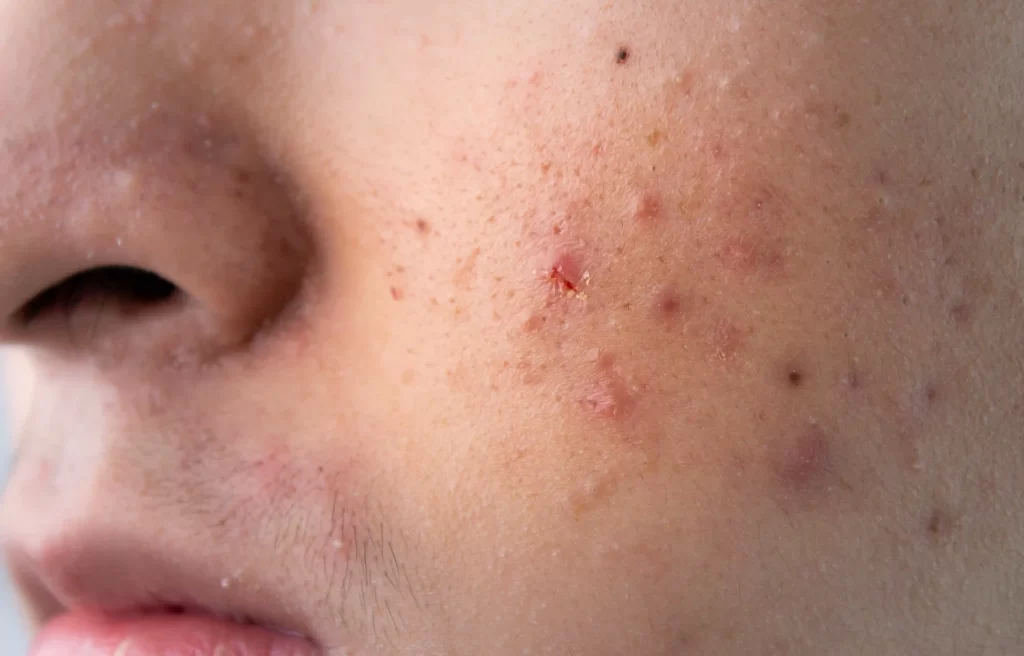
Acne is a chronic inflammatory condition of the pilosebaceous unit, involving the hair follicle and the sebaceous (oil-producing) gland. It develops when pores become blocked with excess sebum, dead skin cells and bacteria, leading to inflammation and visible lesions such as blackheads, whiteheads, papules, pustules or cysts.
Importantly, inflammation is now understood to play a role from the earliest stages of acne development, rather than occurring only after lesions appear.
Rather than focusing solely on blocked pores or surface bacteria, functional medicine asks a deeper question: why has the skin environment become inflamed, reactive or dysregulated in the first place?
The answer often lies beyond the skin itself.
What Type of Acne Do I Have and What Does It Mean?
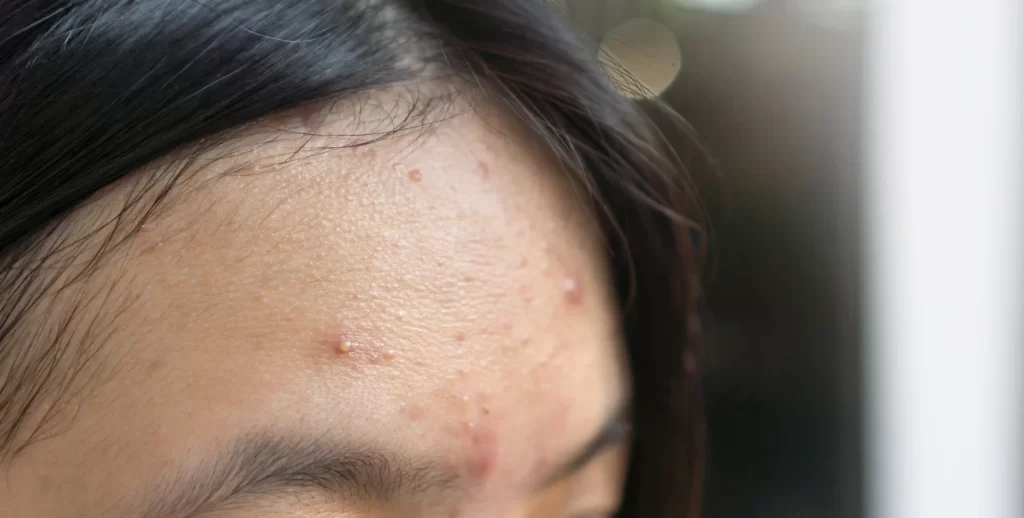
The appearance, location and behaviour of acne can offer valuable clues about what may be driving it internally. In clinical practice, recognising these patterns helps guide a more personalised and effective approach to dealing with the underlying causes.
-
Comedonal acne (blackheads and whiteheads) may reflect excess sebum production, impaired skin turnover and early microbiome imbalance
-
Inflammatory acne (papules and pustules) is often associated with immune activation and systemic inflammation
-
Nodulocystic acne suggests deeper hormonal and inflammatory involvement
-
Jawline and lower-face acne frequently points towards hormonal and metabolic influences
-
Acne accompanied by flushing, redness or burning may indicate histamine intolerance or immune hyper-reactivity
These patterns are not diagnostic on their own, but they provide important context when viewed alongside digestive symptoms, hormonal history and lifestyle factors.
Why Does Acne Persist Into Adulthood?
Acne does not follow any single timeline. Some individuals experience breakouts from puberty that persist into their 30s or 40s, while others develop acne later in life despite having clear skin as teenagers.
Persistent acne from adolescence often reflects unresolved foundational drivers rather than a new or isolated issue. Early microbiome disruption, long-standing gut imbalance or hormonal signalling patterns established during puberty may remain unaddressed for decades.
Factors such as repeated antibiotic use, chronic stress, dietary patterns or ongoing digestive dysfunction can influence how the immune and inflammatory response is programmed over time. From a functional medicine perspective, the skin often reflects these long-term internal patterns rather than a short-term imbalance.
Book a Free Discovery Call
Discuss your health concerns with one of our expert practitioners and find out how personalised functional medicine can get your health on the right track.
Can Gut Health Cause Acne? The Gut–Skin Axis Explained
One of the most well-established concepts in functional medicine is the gut–skin axis. The gut and skin share immune, inflammatory and microbiome signalling pathways, meaning disturbances in gut health are frequently reflected through the skin, and a growing body of research links gut dysbiosis, intestinal permeability and altered immune signalling with acne and other inflammatory skin conditions.
In clinical practice, gut health consistently proves to be a cornerstone of overall wellbeing, closely intertwined with hormone regulation and immune balance. Many individuals seeking support for acne also report digestive symptoms such as bloating, reflux, constipation, diarrhoea or food reactions.
Acne in these cases is rarely driven by a single hormone alone, but by how hormones are metabolised, regulated and cleared by the gut and liver.
Gut-related contributors to acne may include:
-
Microbiome imbalance and inflammatory bacterial overgrowth
-
Impaired digestion and fermentation of food
-
Increased intestinal permeability and immune activation
-
Reduced production of gut-derived compounds that help regulate inflammation
Supporting gut function is therefore often a key step in restoring balance across multiple systems — including the skin.
👉 For a deeper dive into the HPA Axis and its relationship to stress, see our dedicated article ‘Stress, Cortisol & HPA Axis Imbalance: A Functional Medicine Guide’.
Can Hormones Cause Acne Even If Blood Tests Are “Normal” (In Men and Women)?
Hormonal signalling plays a significant role in acne across the lifespan, in both women and men.
Key contributors may include:
-
Androgen excess or increased androgen sensitivity at the skin level
-
Blood sugar dysregulation and insulin resistance increasing sebum production
-
Oestrogen–progesterone imbalance affecting skin turnover and inflammation
-
Impaired hormone clearance via the gut and liver
Importantly, acne is not always driven by elevated testosterone levels. In many cases, the issue lies in increased sensitivity of the skin to androgens, particularly dihydrotestosterone (DHT), a more potent androgen derived from testosterone that can increase inflammatory signalling within the skin’s sebaceous glands.
Even when hormone levels fall within “normal” ranges, heightened DHT activity at the skin can drive excess oil production and inflammation. This helps explain why acne can persist despite apparently normal blood results.
Does Stress Make Acne Worse? The Role of Cortisol and the HPA Axis
Stress is a well-recognised trigger for many health issues including skin conditions such acne. Chronic stress activates the hypothalamic–pituitary–adrenal (HPA) axis, influencing skin health through multiple pathways.
These include:
-
Elevated cortisol impairing skin barrier function
-
Altered immune responses and delayed skin healing
-
Changes in gut motility and microbiome balance
-
Increased blood sugar levels and systemic inflammation
Many individuals notice acne flares during periods of poor sleep, emotional strain or prolonged stress, highlighting the importance of nervous system regulation, as well as overall sleep and stress management for skin health.
Can Liver Function and Detoxification Affect Acne?
The liver plays a central role in hormone metabolism, detoxification and inflammatory regulation. When detoxification pathways are overloaded or under-supported, this burden may be expressed through the skin.
Contributing factors may include:
-
Environmental toxin exposure
-
Chronic medication use
-
Alcohol intake
-
Nutrient deficiencies affecting detoxification pathways
In some cases, persistent acne may reflect the skin acting as a secondary elimination route when internal detoxification capacity is under strain.
Can Histamine Intolerance or Immune Reactivity Cause Acne?
For some individuals, acne occurs alongside flushing, redness, itching or food-related reactions. This pattern may suggest histamine intolerance or immune hyper-reactivity rather than a purely hormonal condition.
Potential contributors include:
-
Reduced diamine oxidase (DAO) enzyme activity
-
Histamine-producing gut bacteria
-
Mast cell activation
-
Chronic stress increasing histamine release
In these cases, acne is often part of a broader inflammatory picture involving the immune system rather than a single isolated trigger.
Why Skincare Alone Often Doesn’t Clear Persistent Acne
Topical skincare and dermatological treatments can help manage acne symptoms by reducing surface bacteria, oil and inflammation. For some people, this leads to short-term improvement.
However, skincare works from the outside in and does not address the internal drivers that influence skin behaviour. As we have discussed, factors such as gut health, hormone regulation, systemic inflammation and stress physiology all affect how much oil the skin produces and how inflamed it becomes. When these remain unaddressed, acne often returns once treatment stops.
From a functional medicine perspective, skincare is best viewed as supportive rather than curative on its own. Long-term improvement usually requires addressing the underlying internal imbalances that the skin is responding to.

How Does Functional Medicine Treat Acne at the Root Cause?
Rather than suppressing symptoms, functional medicine focuses on identifying and addressing the individual drivers contributing to acne.
This approach may involve:
-
Restoring digestive function and microbiome balance
-
Supporting hormone regulation and blood sugar stability
-
Replenishing nutrients essential for skin repair and immune balance
-
Reducing inflammatory and histamine load where relevant
-
Supporting liver detoxification pathways
-
Regulating the stress response and nervous system
Interventions are personalised, with the aim of creating long-term skin resilience rather than short-term symptom control.
What Health Tests Can Help Identify the Root Cause of Acne?
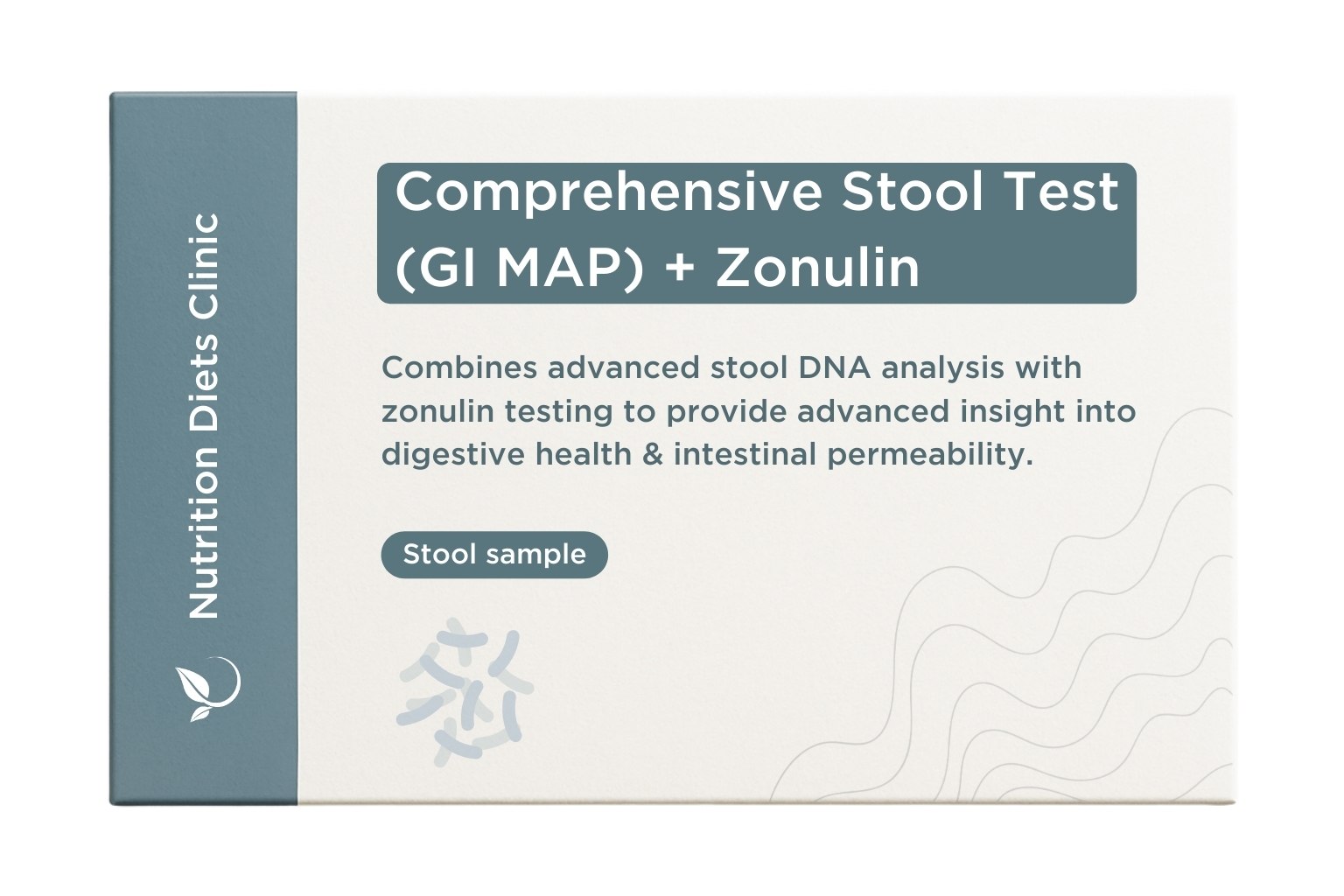
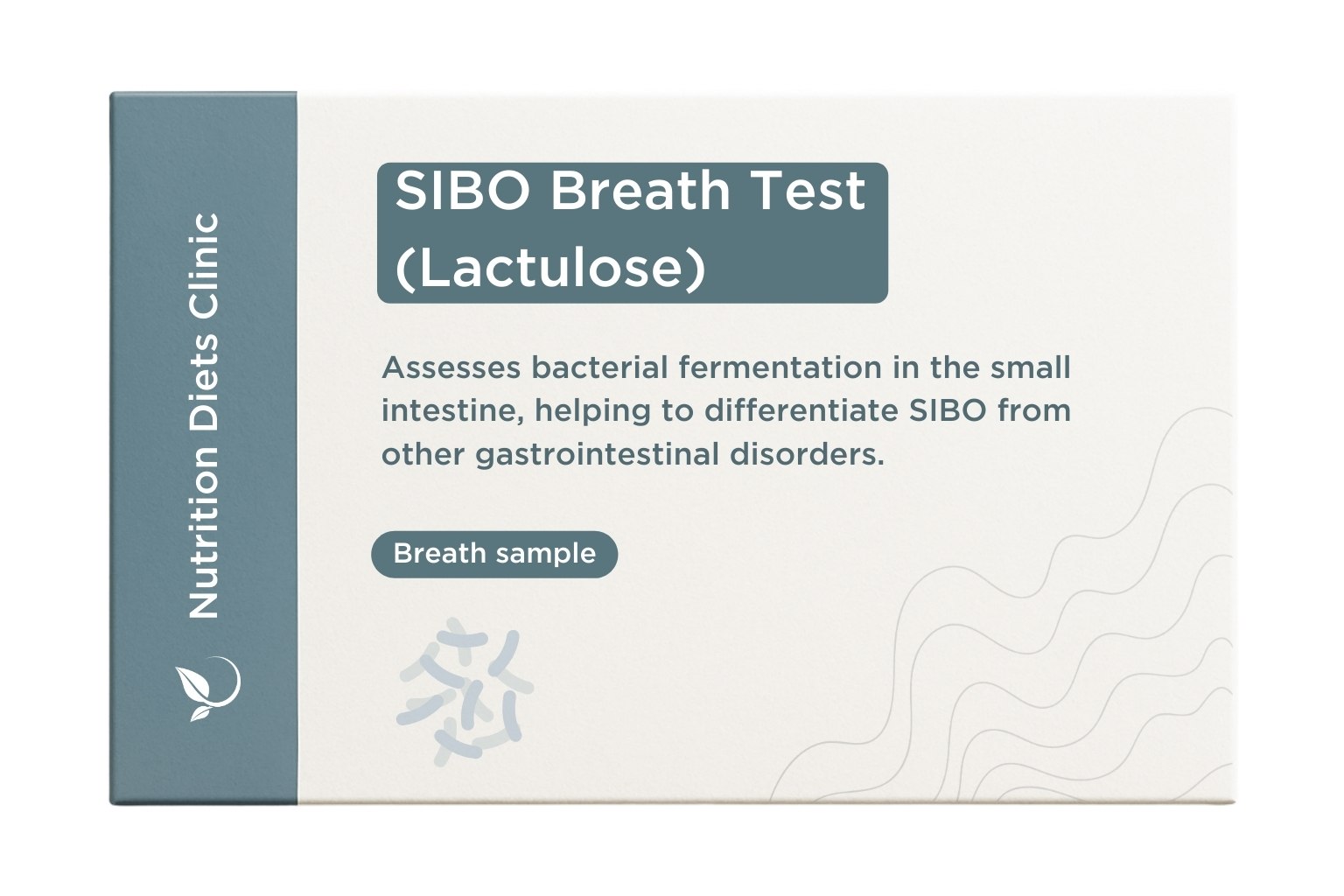
Comprehensive stool testing helps identify gut-related drivers of acne that are often missed by standard blood tests. It assesses digestion and absorption, gut microbiome balance, markers of inflammation and immune activity, and the presence of pathogens such as Helicobacter pylori.
Imbalances in gut bacteria, chronic low-grade inflammation, or impaired digestion can increase systemic inflammation and disrupt hormone metabolism, all of which can contribute to persistent or inflammatory acne. Supporting gut health is often a foundational step in achieving long-term skin improvement.
Hormone testing provides insight into hormonal patterns that commonly influence acne, particularly in adults. These panels assess androgen activity (which can increase sebum production), oestrogen metabolism, progesterone balance, and stress hormones such as cortisol.
Even when hormone levels fall within “normal” ranges, functional imbalances such as androgen dominance, poor oestrogen clearance, or chronic stress can still trigger breakouts. Understanding these patterns allows for more targeted dietary, lifestyle and supplement support rather than symptom suppression alone.
Histamine and food intolerance testing can be particularly helpful for individuals whose acne is accompanied by flushing, redness, itching, digestive symptoms or clear reactions to certain foods. Elevated histamine levels or impaired histamine breakdown can drive systemic inflammation and increase inflammatory skin responses.
Food intolerances may further stimulate immune activation in the gut, worsening inflammation and disrupting the skin–gut axis. Identifying histamine intolerance or immune reactivity to specific foods allows for targeted dietary and gut-support strategies that reduce inflammatory load and support clearer, calmer skin.
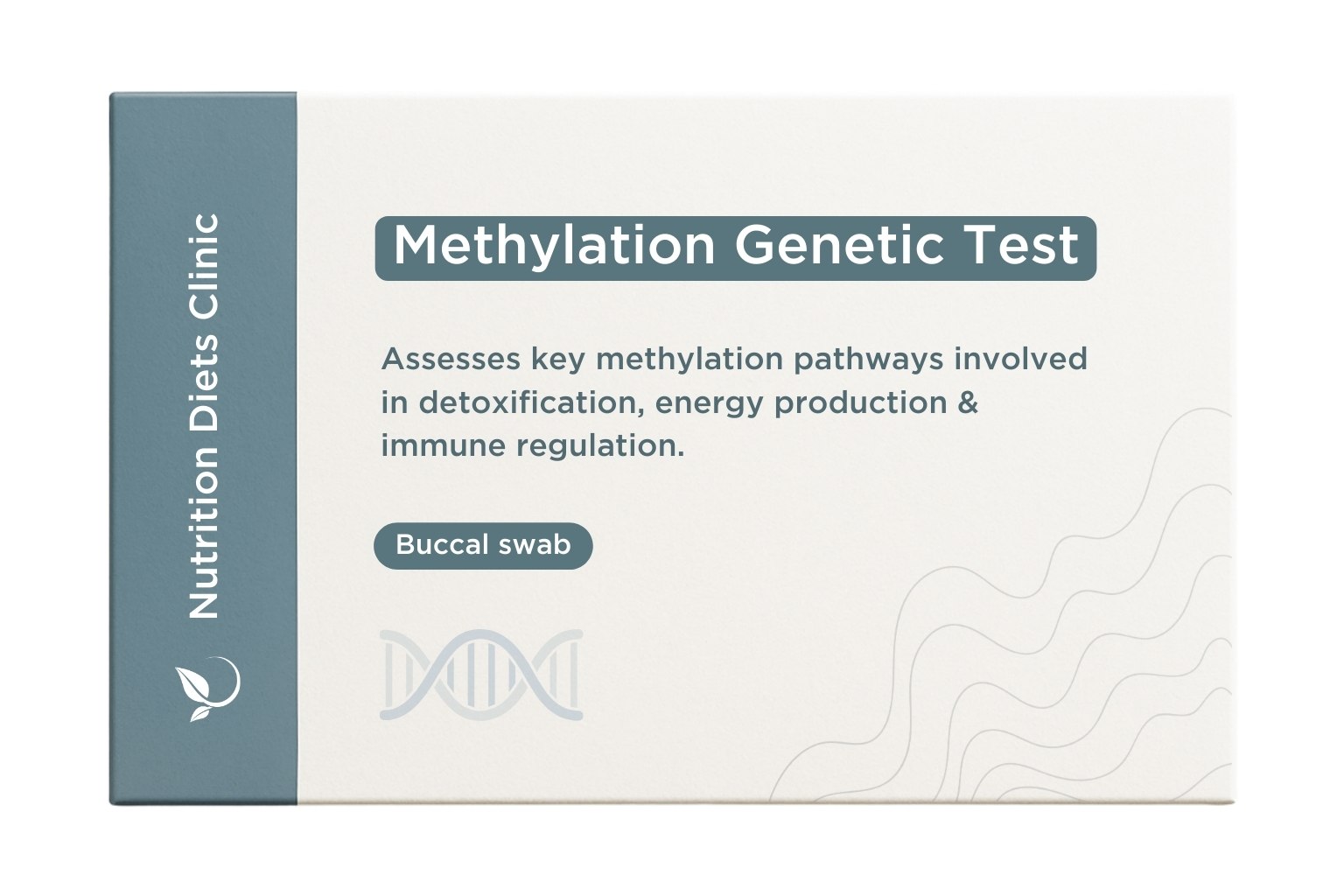
Nutrient and metabolic testing such as the NutrEval or Methylation Genetic Test evaluate key vitamins, minerals and biochemical markers involved in skin health, inflammation control and detoxification. Deficiencies or imbalances in nutrients such as zinc, vitamin A, B vitamins or antioxidants can impair skin repair, immune function and hormone metabolism.
Assessing metabolic markers also provides insight into liver detoxification capacity, blood sugar regulation and oxidative stress, all of which can influence acne severity and persistence.
🔬 For more information on our range of health tests, personalised nutrition and lifestyle plans and targeted supplement protocols tailored to your needs by our practitioners visit our How It Works page.
Test. Don’t Guess.
Get the answers you’re looking for with our wide range of at-home health tests. Easy to order. Easy to use.
Frequently Asked Questions About Acne
Can gut health really affect acne?
Yes. The gut and skin are closely connected via immune and inflammatory pathways. Imbalances in the gut microbiome, digestion or gut barrier function can contribute to systemic inflammation that shows up through the skin.
Does dairy or sugar cause acne?
Certain foods, including dairy and high-glycaemic carbohydrates, may worsen acne in susceptible individuals by influencing insulin and hormone signalling. However, triggers are highly individual and best assessed in context.
Why do I still have acne as an adult?
Adult acne is often linked to hormonal sensitivity, stress, gut imbalance or impaired detoxification rather than poor skincare or hygiene.
What Is the Best Long-Term Approach to Clearing Acne Naturally?
The most effective long-term approach to acne is one that identifies and addresses the specific root causes driving breakouts in each individual. Because acne can be influenced by multiple systems, including gut health, hormone regulation, inflammation and stress, a personalised approach guided by functional testing is often key.
By understanding how these systems are functioning and tailoring support accordingly, it becomes possible to move beyond symptom management and support lasting improvements in your skin health.
If you’d like guidance on choosing the right health test to assess the underlying causes driving your acne, or are interested in a personalised approach to improving your skin health, get in touch to book a complimentary Discovery Call.
YOUR HEALTH. YOUR CHOICE.
At Nutrition Diets Clinic, our functional medicine approach goes far beyond generic advice by considering your unique genetic makeup, diet, environmental exposures, lifestyle factors, and health history to get to the root cause of your health concerns.
1) Expert one-to-one therapy
2) Personalised nutrition and lifestyle plans
3) Easy, at-home functional testing
Starting the journey towards improved health can feel daunting but our team of qualified professionals are here to provide you with expert guidance and support every step of the way.
We offer thorough clinical assessment and therapy via convenient online consultations. Getting started is simple and free so why not take charge of your health today?
* This article is for educational purposes only and does not replace medical advice.