Digestive symptoms, skin flare-ups and ongoing fatigue are often treated as separate problems. Yet in many cases, they’re connected and rooted in underlying imbalances within the gut.
From a functional medicine perspective, symptoms such as bloating, reflux, IBS, low energy or food reactions are rarely random. They are signals. The challenge is that many gut-related issues can look similar on the surface, even though their underlying causes may be very different.
This is where choosing the right gut health test matters. Rather than guessing, cycling through restrictive diets, or treating symptoms in isolation, targeted testing can help identify what’s actually driving your symptoms, and guide more effective, personalised support.
In this comprehensive guide, we walk through five of the most popular at-home gut health tests, explaining what each test is designed to assess, who it’s best suited for, and how you can decide where to start.
About 70–80% of immune cells are located in or near the gut, highlighting the deep connection between the gut microbiome and the body’s immune system.

A Functional Medicine Guide to At-Home Gut Health Testing
Best for individuals with:
Long-standing, complex or overlapping symptoms.
Common symptoms it helps investigate:
Bloating, IBS, diarrhoea or constipation, fatigue, skin issues, immune or inflammatory concerns.
Why it’s useful:
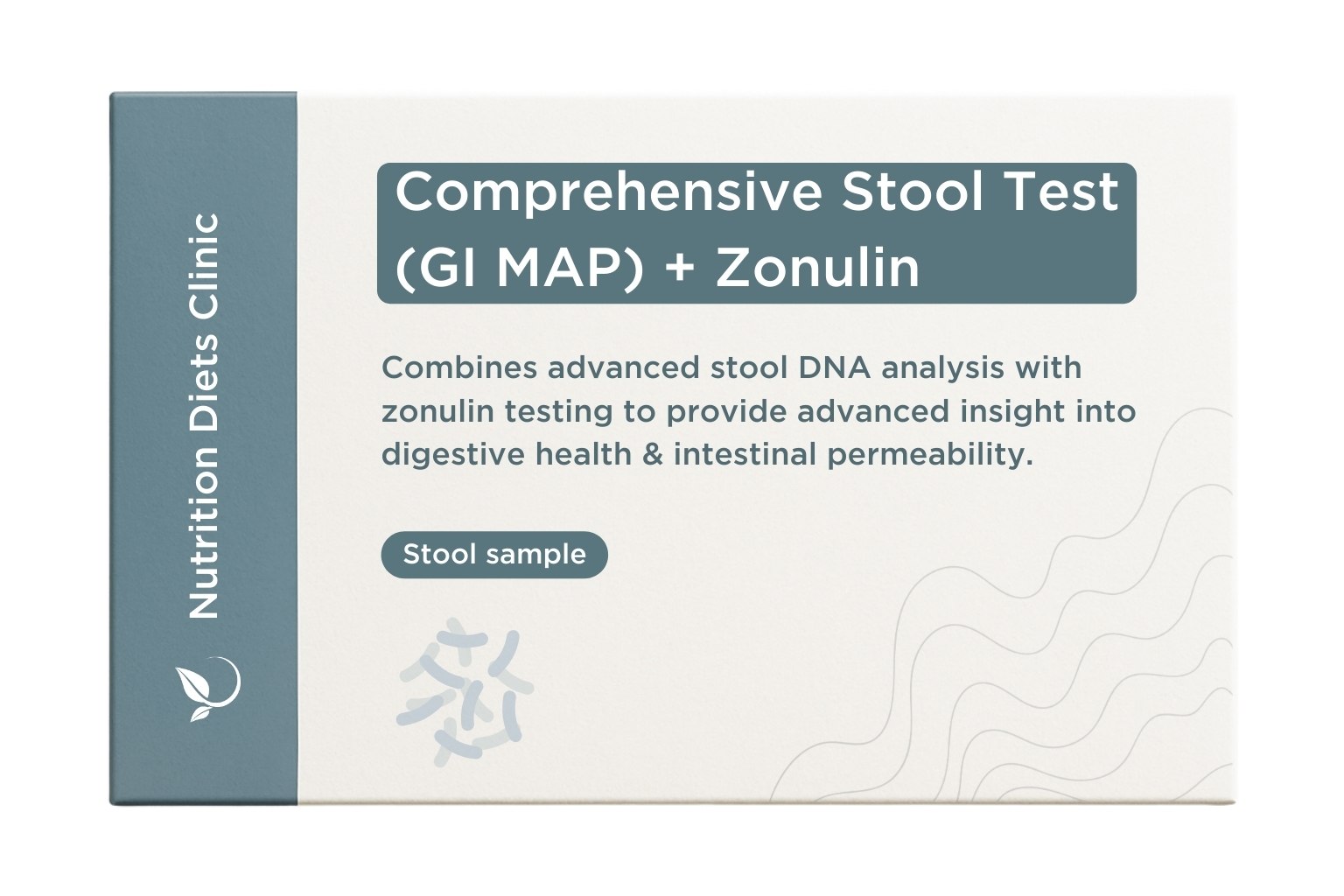
The Comprehensive Stool Test (GI-MAP) is often the most informative place to start when investigating gut-related symptoms. Rather than focusing on a single issue, it provides a broad, functional overview of digestion, gut bacteria and immune activity, helping to identify patterns that may not be obvious from symptoms alone.
Using advanced DNA (qPCR) technology, the test analyses a single stool sample to assess:
- The balance of beneficial and opportunistic gut bacteria
- Pathogens such as parasites, bacteria and viruses
- Yeast and fungal overgrowth
- Digestive function markers, including pancreatic elastase
- Immune and inflammatory markers such as calprotectin and secretory IgA
This wider view of gut health can be particularly helpful when digestive symptoms overlap with fatigue, skin concerns or immune issues, or when previous dietary changes haven’t led to lasting improvement.
👉 Learn more about the test: Comprehensive Stool Test (GI-MAP)
Best for individuals with:
Long-standing, complex or overlapping symptoms, particularly when issues feel systemic rather than limited to digestion alone.
Common symptoms it helps investigate:
Digestive issues that may also present alongside fatigue, skin concerns, widespread inflammation, joint pain, food sensitivities, or autoimmune / inflammatory conditions.
Why it’s useful:
This test includes everything assessed in the Comprehensive Stool Test (GI-MAP), with the addition of zonulin — a marker associated with gut barrier integrity (sometimes referred to as ‘leaky gut’). It can provide additional context when digestive symptoms are accompanied by more systemic concerns.
Zonulin helps regulate how tightly the cells of the gut lining are joined together. When levels are elevated, it may suggest increased intestinal permeability, which in some individuals is linked to immune activation, chronic inflammation and food reactivity.
Using advanced DNA (qPCR) technology, the test analyses a single stool sample to assess:
- The balance of beneficial and opportunistic gut bacteria
- Pathogens such as parasites, bacteria and viruses
- Yeast and fungal overgrowth
- Digestive function markers, including pancreatic elastase
- Immune and inflammatory markers such as calprotectin and secretory IgA
- Zonulin, to provide additional context around gut barrier function
This test goes a step further than the standard GI-MAP by exploring whether the gut barrier itself may be compromised. This can help explain why symptoms continue despite dietary changes or conventional gut support, and may guide an even more targeted, phased approach to healing.
👉 Learn more about the test: Comprehensive Stool Test (GI-MAP) Plus Zonulin
Book a Free Discovery Call
Discuss your health concerns with one of our expert practitioners and find out how personalised functional medicine can get your health on the right track.
Best for individuals with:
Persistent bloating, gas or discomfort that occurs soon after eating.
Common symptoms it helps investigate:
Abdominal bloating, excessive gas, abdominal discomfort, changes in bowel habits, nausea, food intolerance symptoms
Why it’s useful:
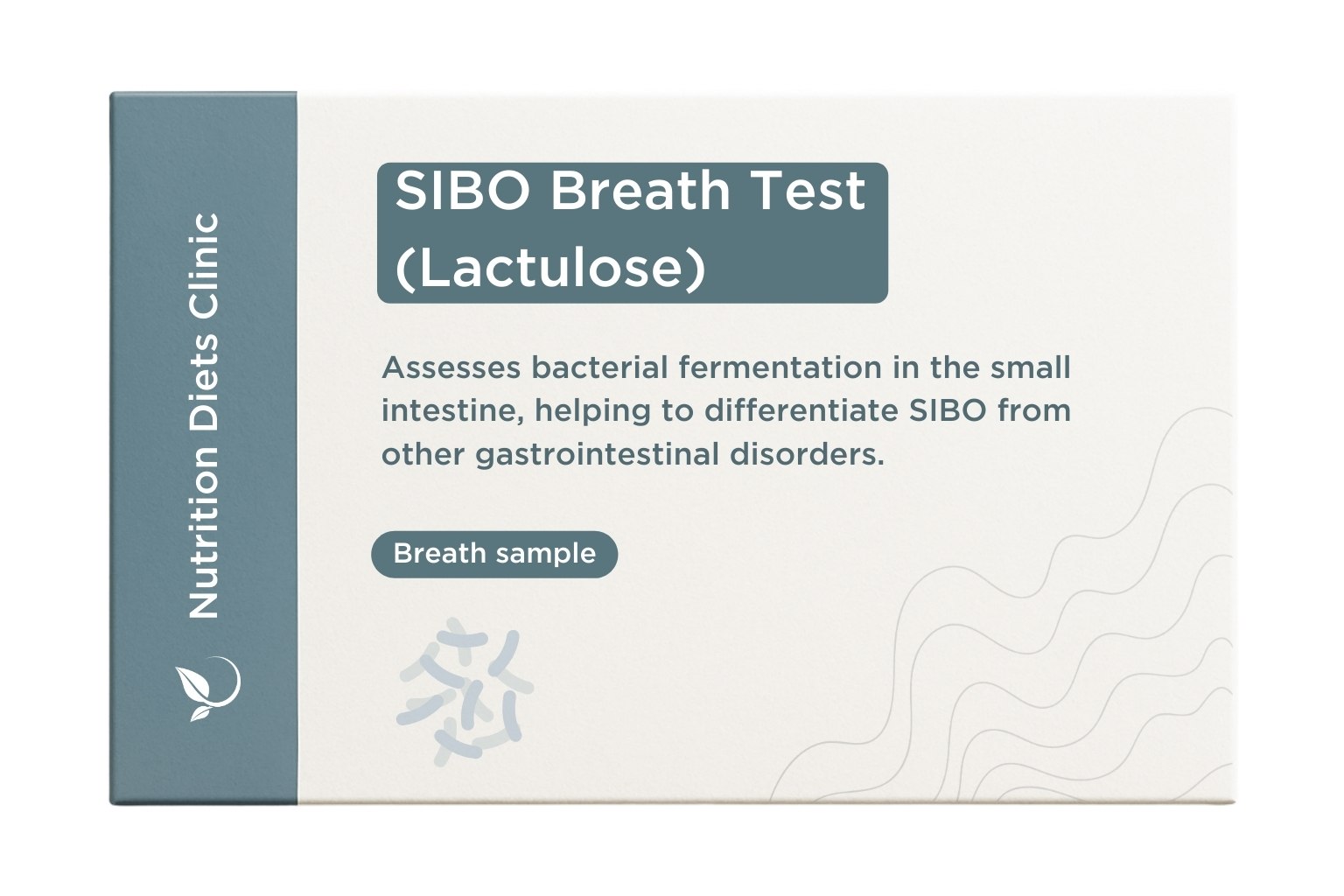
The SIBO Breath Test helps investigate whether bacteria may be overgrowing in the small intestine — an area of the gut where bacterial levels are usually low. When this balance is disrupted, fermentation can occur earlier than expected during digestion, often leading to bloating and discomfort soon after meals.
Rather than analysing a stool sample, the test measures hydrogen and methane gases produced by bacterial fermentation. These gases are absorbed into the bloodstream and exhaled in the breath, providing insight into bacterial activity within the small intestine.
Breath samples are collected at regular intervals after consuming a lactulose solution to assess:
- Hydrogen gas production
- Methane gas production
- Patterns of early or excessive fermentation
This test can be particularly helpful if bloating is a prominent symptom, especially when it occurs shortly after eating, or if symptoms haven’t improved despite dietary changes.
👉 Learn more about the test: SIBO Breath Test (Lactulose)
Best for individuals with:
Persistent or unexplained symptoms where reactions to food are suspected, particularly when symptoms are delayed, inconsistent, or difficult to link to specific meals.
Common symptoms it helps investigate:
Digestive discomfort, bloating, fatigue, headaches, skin issues, joint pain, brain fog, sinus congestion, or symptoms that appear hours or even days after eating.
Why it’s useful:
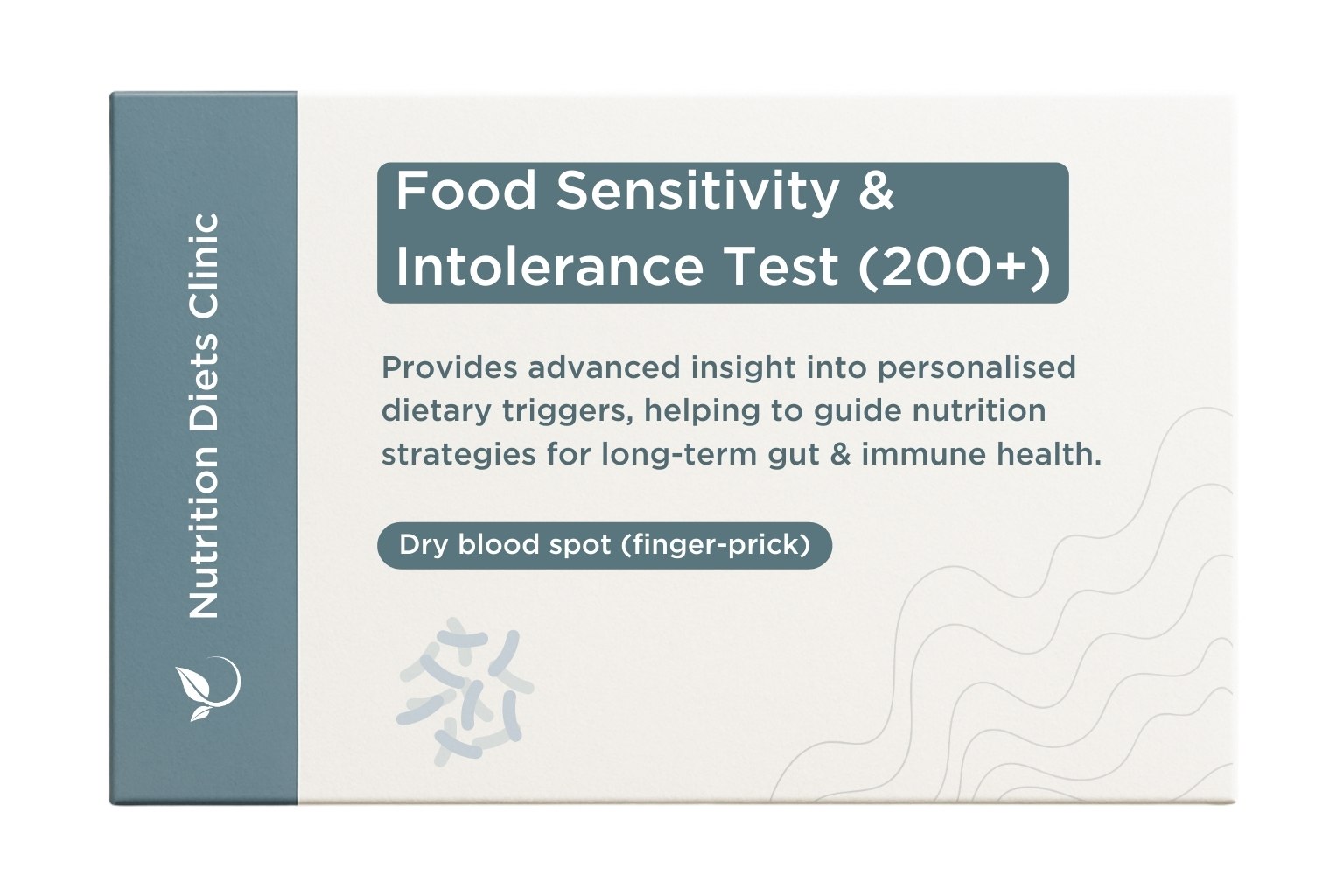
Unlike immediate food allergies, food sensitivities are often delayed and harder to identify without testing. This test measures immune responses to a wide range of commonly consumed foods, helping to highlight patterns that may be contributing to ongoing symptoms.
Results are not intended to suggest foods that must be avoided forever. Instead, they can help guide a more structured, temporary dietary approach, allowing the gut and immune system time to settle before foods are carefully reintroduced.
The test analyses a blood sample to assess immune reactivity to a broad panel of foods, typically including:
- Dairy products
- Gluten-containing grains
- Other cereals and grains
- Fruits and vegetables
- Nuts and seeds
- Eggs, fish and meats
This test can be particularly helpful when symptoms don’t clearly point to digestion alone, or when trial-and-error elimination diets have felt overwhelming, restrictive or inconclusive.
👉 Learn more about the test: Food Sensitivity & Intolerance Test (200+)
Best for individuals with:
Upper digestive symptoms or discomfort suggestive of stomach-related imbalance, particularly when symptoms persist despite dietary changes or general gut support.
Common symptoms it helps investigate:
Upper abdominal pain or discomfort, nausea, bloating, reflux or heartburn, indigestion, burping, appetite changes, or a feeling of heaviness after meals.
Why it’s useful:
Helicobacter pylori (H. pylori) is a bacterium that can colonise the stomach and interfere with normal digestive function, including stomach acid production. In some people, this can contribute to ongoing digestive symptoms and, if left unaddressed, may increase the risk of inflammation of the stomach lining.
This simple stool test identifies active H. pylori infection and helps guide targeted treatment or confirm eradication following therapy.
- H. pylori antigen detection and presence of active infection
- Bacterial load
- Virulence markers or strain pathogenicity, indicators relevant to gastric inflammation and ulcer potential
This test can be particularly helpful when reflux, nausea or upper abdominal discomfort are prominent, or when broader gut testing hasn’t fully explained ongoing symptoms.
👉 Learn more about the test: Helicobacter pylori (H. pylori) Stool Test
How to Choose the Right Gut Health Test
Gut symptoms don’t always fit neatly into one category, and it’s very common for digestive, skin, immune or energy-related symptoms to overlap. If trial-and-error dietary changes have felt restrictive, confusing or inconclusive, testing can provide clearer direction.
As a general guide, your main symptom pattern is usually the best place to start:
-
Multiple or long-standing symptoms → Comprehensive Stool Test (GI-MAP)
-
Multiple or long-standing symptoms with additional skin autoimmune or inflammatory concerns → Comprehensive Stool Test (GI-MAP) + Zonulin
-
Bloating soon after meals → SIBO Breath Test
-
Unclear or inconsistent food reactions → Food Sensitivity Test
-
Persistent upper digestive symptoms → H. pylori Test
This overview can help narrow things down, but it’s important to remember that gut health is highly individual, and symptoms alone don’t always tell the full story.
That’s why many people choose to work with a qualified practitioner, who can take your wider health history, current symptoms and previous interventions into account before recommending the most appropriate test.
Test. Don’t Guess.
Get the answers you’re looking for with our wide range of at-home health tests. Easy to order. Easy to use.
Not sure which test is right for you?
If you’re unsure where to start, we offer a complimentary 15-minute Discovery Call. This is allows you to briefly discuss your symptoms with a specialist gut health nutritionist, and receive personalised guidance on which test is most appropriate for you.
A short conversation at this stage can help ensure you’re investing in the right test — and supported as you take the next steps towards healing your gut.

Frequently Asked Questions About Gut Health Tests
Can I order these gut health tests without a GP referral?
Yes. All of the tests discussed here can be ordered without a GP referral, and be easily used at home following the instructions included within the test kit.
Are at-home gut health tests reliable?
When collected correctly and analysed by accredited laboratories, these tests are considered the gold-standard in functional medicine practice, helping to provide clinically meaningful insights and targeted follow-up treatment options.
Is gut health testing suitable if my symptoms aren’t mainly digestive?
Yes. Gut imbalance is often the root cause of symptoms beyond digestive complaints, including skin issues (such as acne and eczema), fatigue, mood changes, inflammation, joint pain, or immune concerns. Gut testing reveals key insights into many aspects of a person’s overall health.
Do I need professional interpretation of my test results?
Lab results contain complex scientific data that require professional interpretation. During a one-to-one consultation, a practitioner will translate this data into a clear explanation that you can understand, and that can then be used to inform a personalised treatment plan.
How long will it take to receive my test results?
Most tests return results within 7–21 days, depending on the test and laboratory.
How Gut Health Testing Can Help You Move Forward
Gut-related symptoms can be frustrating because they’re often misunderstood or treated in isolation. Testing offers a way to step back and look at the bigger picture, helping to connect the dots between symptoms that may otherwise feel unrelated.
Gut health testing acts as a practical reference point, guiding targeted decisions around diet, lifestyle and further support, rather than continued trial and error. This clarity empowers many people to progress from guessing and feeling stuck, to taking meaningful action to not only successfully resolve their symptoms, but improve their overall health and prevent long-term development of chronic conditions.
🔬 For more information on our range of health tests, personalised nutrition and lifestyle plans and targeted supplement protocols tailored to your needs by our practitioners visit our How It Works page
YOUR HEALTH. YOUR CHOICE.
At Nutrition Diets Clinic, our functional medicine approach goes far beyond generic advice by considering your unique genetic makeup, diet, environmental exposures, lifestyle factors, and health history to get to the root cause of your health concerns.
1) Expert one-to-one therapy
2) Personalised nutrition and lifestyle plans
3) Easy, at-home functional testing
Starting the journey towards improved health can feel daunting but our team of qualified professionals are here to provide you with expert guidance and support every step of the way.
We offer thorough clinical assessment and therapy via convenient online consultations. Getting started is simple and free so why not take charge of your health today?
* This article is for educational purposes only and does not replace medical advice.