Chronic stress has become a defining feature of modern life, affecting everything from energy and mood to sleep, immunity and hormone balance. Short-term stress is normal, but did you know that long-term activation of the body’s stress system, particularly the HPA axis, can leave you feeling depleted, anxious or “switched on” at all times?
In functional medicine, one of the most effective ways to support stress resilience is through targeted adaptogens: a group of botanicals that help the body regain equilibrium without overstimulation.
This month’s blog explores how adaptogens such as maca, rhodiola, tulsi, ashwagandha and ginger can support the HPA axis, restore energy and help your body recover from prolonged stress.
The HPA axis is the central regulator of the stress response, integrating neuro-endocrine, immune, metabolic and behavioural systems.
Modern Stress and the HPA Axis: What Happens to the Body Under Chronic Pressure?
We are biologically designed to handle short bursts of stress, but modern life exposes us to continuous emotional, physical and environmental pressure. Over time, this persistent load disrupts the HPA axis, the communication network linking the hypothalamus, pituitary and adrenal glands.
When the HPA axis becomes dysregulated, cortisol fluctuates, sleep suffers, and energy, immunity and hormones begin to shift. In functional medicine, this is not “adrenal fatigue” but a communication breakdown within the stress system.
Restoring that communication through nutrition, lifestyle medicine and targeted botanicals helps the body regain its natural resilience.

What Are Adaptogens?
Adaptogens are botanicals and medicinal fungi that help the body adapt to stress and restore balance. To be considered true adaptogens, they must be:
-
Non-toxic at therapeutic doses
-
Supportive across multiple stressors (emotional, physical, environmental)
-
Normalising to physiological functions
Unlike stimulants, adaptogens do not push the body, they modulate and stabilise it. Their influence extends beyond cortisol, impacting:
-
Mitochondrial energy metabolism
-
Nitric oxide signalling
-
Immune balance
-
Neurotransmitter pathways
-
Gene expression related to stress resilience
This makes adaptogens especially valuable for individuals experiencing HPA axis dysregulation, burnout or chronic stress.
👉 For a deeper dive into the HPA Axis and its relationship to stress, see our dedicated article ‘Stress, Cortisol & HPA Axis Imbalance: A Functional Medicine Guide’.
Why Is Nutrition the Foundation of Stress Recovery?
Adaptogens are most effective when introduced on top of a stable nutritional and lifestyle foundation. Key factors include:
-
Balanced blood sugar from protein, complex carbohydrates and healthy fats
-
Adequate magnesium, vitamin C and B-vitamins for adrenal and mitochondrial function
-
Omega-3 fatty acids and polyphenols for anti-inflammatory support
-
Restorative sleep, daily movement and natural light exposure
Without these basics, adaptogens often compensate rather than creating long-term resilience.
Book a Free Discovery Call
Discuss your health concerns with one of our expert practitioners and find out how personalised functional medicine can get your health on the right track.
Five Adaptogens for Stress Recovery and HPA Axis Support
Below are five botanicals commonly used in functional nutrition for supporting energy, mood and stress regulation.
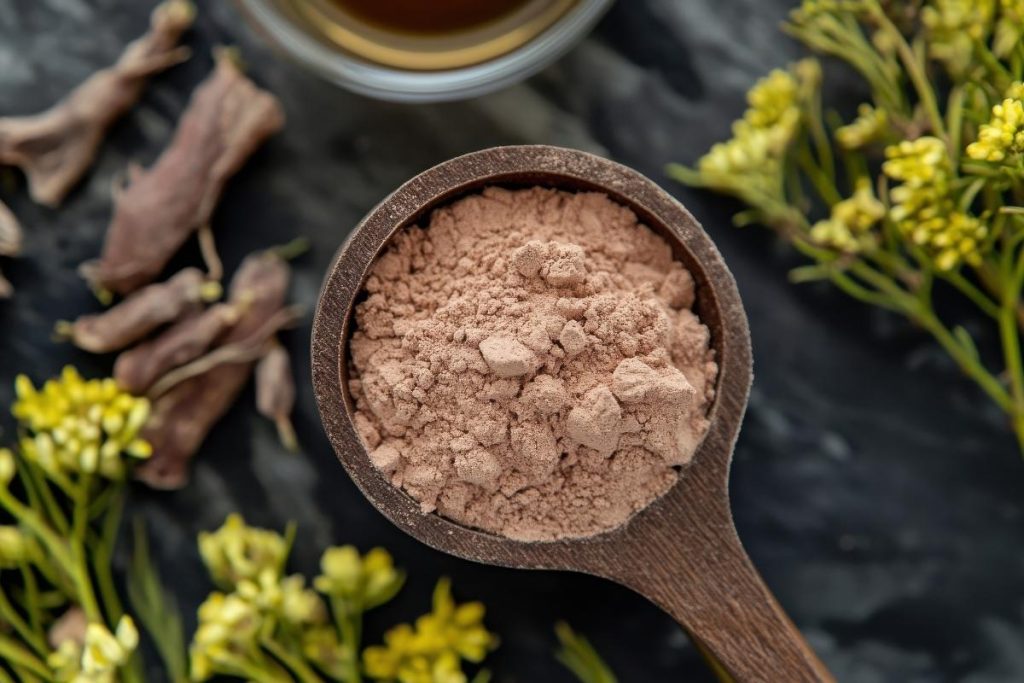
1. Maca (Lepidium meyenii) – Root of Resilience
Grown at high altitude in the Peruvian Andes, maca thrives in harsh environments, mirroring its restorative influence on the human stress response.
Modern research suggests maca supports the HPA–thyroid–gonadal network, helping regulate hormone rhythms rather than supplying hormones directly. Its unique compounds influence:
-
Mitochondrial energy production
-
Neurotransmitters such as dopamine and serotonin
-
Mood, sleep and menopausal symptoms
How to take it:
Maca is most commonly taken as a powder, mixed into warm drinks, smoothies, porridge or yoghurt. It is also available in capsule form for convenience. Begin with 1–3 teaspoons (or 500–1,500 mg if in capsules), preferably in the morning.
Best for: persistent fatigue, low mood, reduced libido, peri- or post-menopausal symptoms, chronic stress.
Avoid if: thyroid function is unstable or under specialist review.

2. Rhodiola (Rhodiola rosea) – The Mountain’s Clarity
Rhodiola is an uplifting adaptogen traditionally used to enhance endurance, mood and cognitive performance. Its active compounds, rosavins and salidrosides, help:
-
Moderate cortisol release
-
Support mitochondrial energy pathways
-
Improve mental clarity and motivation
-
Reduce stress-related fatigue
It is best taken in the morning due to its energising effects.
How to take it:
Rhodiola can be taken as a capsule, or as a powder stirred into water, smoothies, fruit juice, coffee, or steeped in hot water to make tea.
Best for: mental fatigue, low motivation, burnout, poor concentration.
Avoid if: anxiety, palpitations or insomnia are present; possible interactions with antidepressants or stimulant medications.
3. Tulsi (Ocimum sanctum) – The Calming Protector
Also called Holy Basil, tulsi promotes calm alertness and emotional steadiness. Modern research shows it can:
-
Help regulate cortisol and blood sugar
-
Reduce oxidative stress and inflammation
-
Support immune and respiratory health
-
Promote mental clarity without sedation
How to take it:
Tulsi is ideal as a herbal tea, taken 1–2 times daily. It also comes in capsules or liquid extracts, which can be taken in the evening or during stressful moments.
Best for: anxious fatigue, emotional tension, recurrent infections, sleep disruption from nervous system overactivity.
Avoid if: taking anticoagulants or glucose-lowering medication.

4. Ashwagandha (Withania somnifera) – The Restorative Balancer
Ashwagandha is one of the most researched adaptogens for cortisol regulation, sleep and anxiety. Standardised extracts have been shown to:
-
Reduce cortisol
-
Improve sleep quality
-
Lower perceived stress
-
Support thyroid and reproductive hormone balance
-
Enhance parasympathetic “rest and repair” activity
Benefits typically develop after several weeks of consistent use.
How to take it:
Ashwagandha can be taken as a capsule, tincture or powder, often in the evening to support sleep and relaxation. Typical doses range from 300–600 mg of a standardised extract.
Best for: elevated cortisol, anxiety, insomnia, post-stress exhaustion.
Avoid if: pregnant, breastfeeding, allergic to nightshades, or with unmanaged hyperthyroidism.

5. Ginger (Zingiber officinale) – The Synergistic Supporter
Although not a traditional adaptogen, ginger complements adaptogenic protocols due to its broad functional benefits.
It supports:
-
Digestion and nutrient absorption (often compromised during stress)
-
Healthy gastric motility and bile flow
-
Mitochondrial efficiency
-
Anti-inflammatory and antioxidant pathways
These actions help buffer the HPA axis from chronic inflammatory stress.
How to take it:
Ginger can be enjoyed as a fresh root infusion, capsule, or added to meals such as soups, stir-fries, smoothies or warm water with lemon.
Best for: digestive sluggishness, inflammation, nausea, post-meal fatigue.
Avoid if: using anticoagulants, prone to reflux or with a history of gastric ulcers.

How to Use Adaptogens Safely
Adaptogens should be used strategically rather than as quick fixes.
-
Introduce gradually for 6–8 weeks
-
Take a short break before repeating
-
Avoid during pregnancy or breastfeeding
-
Seek professional guidance if taking medication or managing chronic conditions
At Nutrition Diets Clinic, we recommend adaptogens are used only after nutritional, sleep and lifestyle foundations are in place. This ensures they enhance, not override, natural physiological rhythms.
Frequently Asked Questions About Adaptogens
What are the best adaptogens for stress and fatigue?
Maca, rhodiola, tulsi and ashwagandha are among the most researched adaptogens for supporting energy, mood and the stress response. The best option depends on your symptoms, health history and HPA axis function.
How do adaptogens support the HPA axis?
Adaptogens help regulate cortisol rhythms, improve communication between the brain and adrenal glands, and support mitochondrial energy production — all key elements of HPA axis balance.
Is it safe to take more than one adaptogen at the same time?
Yes, many adaptogens can be combined, but the safest approach is to introduce them one at a time under practitioner guidance to monitor tolerance and effectiveness.
How long does it take for adaptogens to work?
Most people notice changes within 2–6 weeks, depending on the herb, dosage and individual stress patterns.
Can adaptogens help with anxiety or low mood?
Tulsi and ashwagandha are often used for anxiety and emotional tension, while maca and rhodiola may support low mood or low motivation. Suitability varies by person.
Are adaptogens safe for everyone?
No. They may not be appropriate for individuals with thyroid disorders, autoimmune conditions, anxiety disorders, digestive issues, pregnancy, breastfeeding, or certain medications.
Should I take adaptogens in the morning or evening?
Rhodiola is best taken in the morning, while tulsi and ashwagandha may be more calming later in the day. Maca and ginger can generally be taken at any time.
Are Adaptogens Good for Stress? The Functional Medicine Summary
Adaptogens can be highly supportive for stress, but whether they are right for you depends on your individual biochemistry and the state of your HPA axis. For some people, botanicals such as maca, rhodiola, tulsi or ashwagandha can help restore energy, calm the nervous system and rebalance cortisol. For others – particularly those with underlying thyroid issues, anxiety, medication interactions or digestive conditions – certain adaptogens may not be appropriate or may require careful dosing and monitoring.
This is why in functional medicine we always start by understanding why stress symptoms are showing up and how your nervous system, hormones, gut and lifestyle factors are interacting. Adaptogens can then be used strategically, as part of a personalised plan, to strengthen resilience safely and effectively.
If you’d like guidance on choosing the right adaptogens or are interested in a personalised approach to managing stress, mood or low energy, get in touch with us.
🔬 For more information on our range of health tests, personalised nutrition and lifestyle plans and targeted supplement protocols tailored to your needs by our practitioners visit our How It Works page.
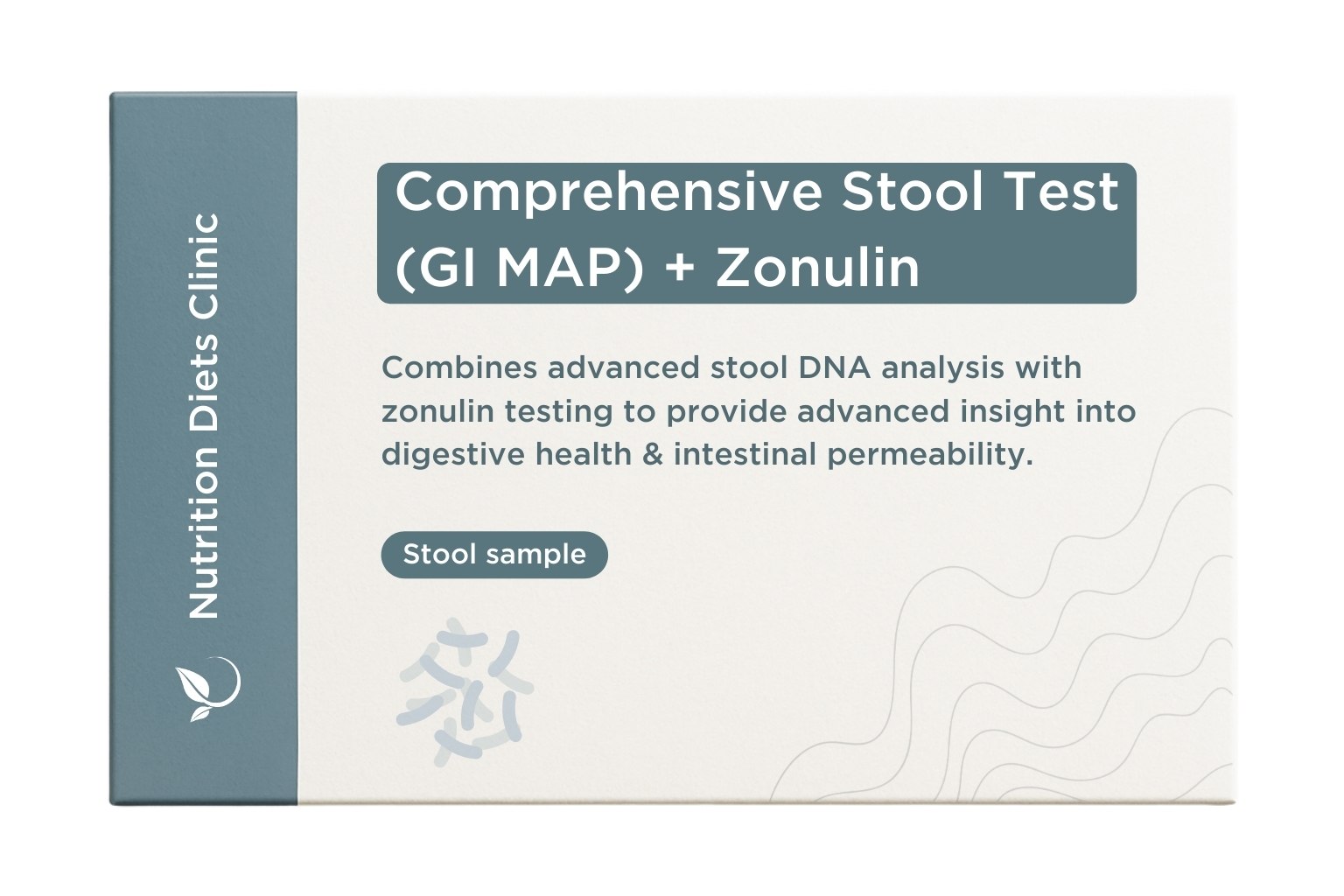
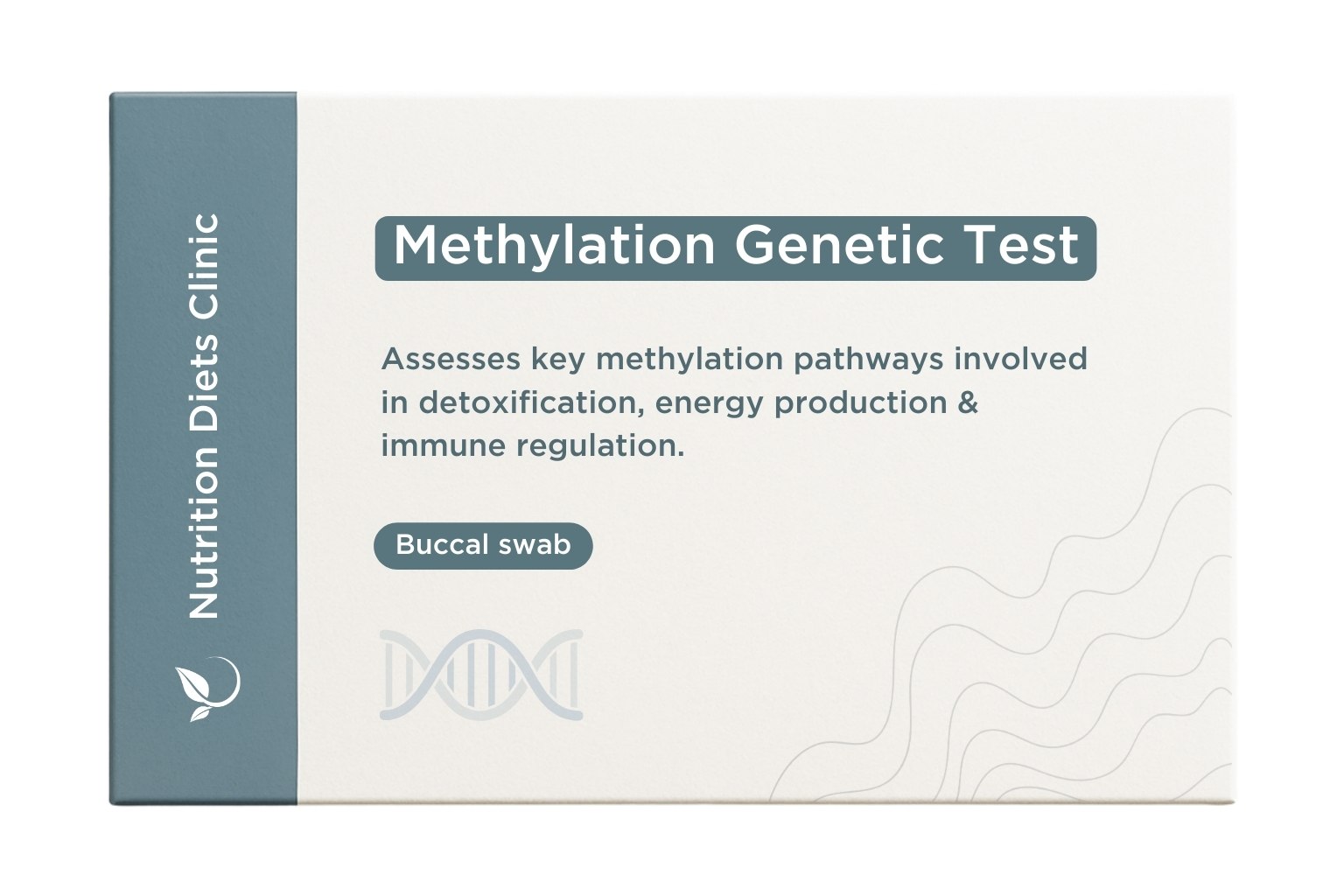
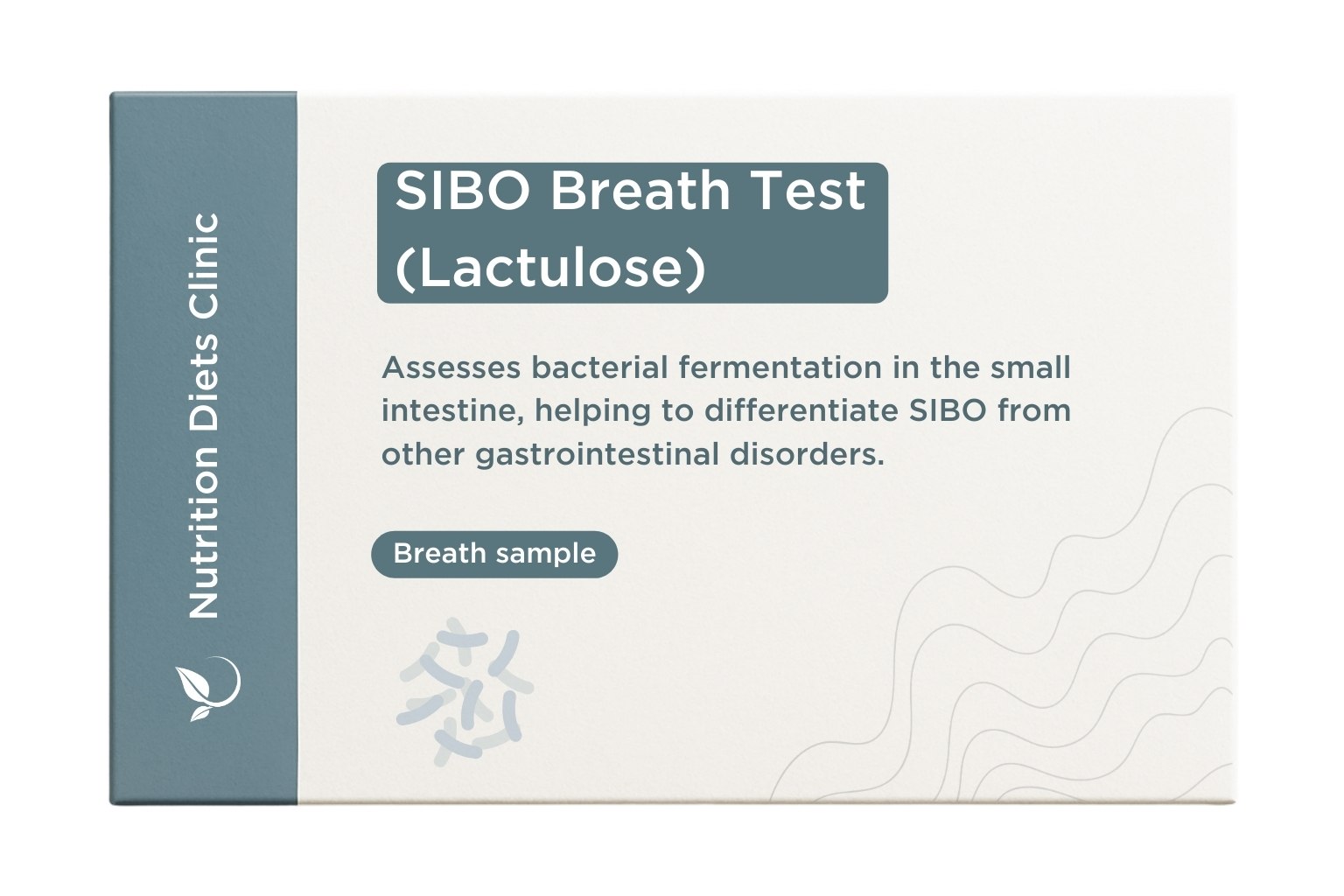
Test. Don’t Guess.
Get the answers you’re looking for with our wide range of at-home health tests. Easy to order. Easy to use.
YOUR HEALTH. YOUR CHOICE.
At Nutrition Diets Clinic, our functional medicine approach goes far beyond generic advice by considering your unique genetic makeup, diet, environmental exposures, lifestyle factors, and health history to get to the root cause of your health concerns.
1) Expert one-to-one therapy
2) Personalised nutrition and lifestyle plans
3) Easy, at-home functional testing
Starting the journey towards improved health can feel daunting but our team of qualified professionals are here to provide you with expert guidance and support every step of the way.
We offer thorough clinical assessment and therapy via convenient online consultations. Getting started is simple and free so why not take charge of your health today?
* This article is for educational purposes only and does not replace medical advice.