Do you feel mentally foggy, sluggish or unfocused after eating, even when your meal seemed “healthy”?
If brain fog regularly follows meals, it may not be stress, ageing or lack of sleep. For many people, it’s a physiological response driven by how certain foods interact with the gut, immune system and nervous system.
Gluten and dairy are two foods that frequently appear in conversations around post-meal brain fog, fatigue, low mood and a general sense of not feeling your best. Importantly, these reactions often occur without obvious digestive symptoms, which is why they are so commonly overlooked.
In this month’s blog we explore how gluten and dairy can cause brain fog, how these foods may influence wider health, and when it may be worth investigating your body’s response to these food types.
Key takeaways
- Brain fog after eating is often a gut–immune issue, not a brain issue — symptoms reflect inflammation, gut barrier dysfunction and microbiome imbalance.
- Gluten can trigger intestinal permeability via zonulin release, even in people without coeliac disease.
- Dairy proteins (casein) break down into casomorphins, which can influence neurotransmitter activity in susceptible people.
- Functional testing — stool testing with zonulin, IgG food sensitivity testing — can identify the root cause rather than relying on guesswork.
Signals originating from the gut can directly influence brain function, behaviour and cognitive processes.
What Is Brain Fog and Why Does It Often Happen After Eating?
Brain fog is not a medical diagnosis, but a term used to describe symptoms such as poor concentration, slowed thinking, memory lapses and a feeling of mental heaviness or disconnection.
When brain fog occurs after eating, it often reflects processes happening elsewhere in the body rather than a problem originating in the brain itself. After meals, the body must digest food, regulate blood sugar, communicate immune signals and process nutrients. If any of these systems are under strain, cognitive clarity can suffer as a result.
Common contributors to post-meal brain fog include:
-
Inflammatory immune responses
-
Blood sugar fluctuations
-
Gut barrier dysfunction
-
Microbiome imbalance
-
Stress-related nervous system activation
Understanding why this happens requires looking beyond the brain in isolation.

You may benefit from investigating gluten and dairy as triggers if you experience:
- Mental fogginess or fatigue within 30 minutes to a few hours of eating
- Low mood, irritability or anxiety after meals
- Headaches, sinus pressure or migraines linked to food
- Skin flares (eczema, rosacea, acne) that track with diet
- Bloating, reflux or fluctuating bowel habits
- Hormonal symptoms that worsen alongside gut symptoms
Can Gluten and Dairy Cause Brain Fog?
Gluten and dairy do not cause brain fog in everyone, and they do not need to be avoided universally. However, in susceptible people, these foods can contribute to inflammation, immune activation or gut barrier disruption that indirectly affects brain function.
Importantly, this can occur:
-
Without coeliac disease
-
Without lactose intolerance
-
Without a diagnosed food allergy
Non-coeliac gluten sensitivity and dairy reactivity are increasingly recognised patterns, particularly when symptoms are neurological, hormonal or systemic rather than digestive.
Why Brain Fog Is Rarely Just a Brain Problem
From a functional medicine perspective, symptoms are best understood as the result of interacting systems.
Cognitive clarity depends on:
-
Gut integrity and microbial balance
-
Immune regulation
-
Hormonal signalling
-
Stable energy production
-
A resilient stress response
As Dr. Jeffrey Bland, founder of the Institute for Functional Medicine, has long emphasised, health is shaped by the interactions between systems rather than the behaviour of any single organ. Brain fog is often the downstream expression of imbalance elsewhere — particularly within the gut–immune interface.
Book a Free Discovery Call
Discuss your health concerns with one of our expert practitioners and find out how personalised functional medicine can get your health on the right track.
Can Gluten Affect Gut Health and Intestinal Permeability?
One of the most important discoveries in modern gastroenterology is the identification of zonulin, a protein that regulates the permeability of the gut lining. Research led by Alessio Fasano demonstrated that components of gluten, particularly gliadin, can stimulate zonulin release in genetically susceptible individuals. Zonulin loosens the tight junctions between intestinal cells, allowing larger particles to pass from the gut into circulation.
This increase in intestinal permeability can activate immune and inflammatory pathways, even when digestion appears normal. In practice, this may show up as:
-
Brain fog or mental fatigue
-
Headaches or migraines
-
Low mood or irritability
-
Reduced stress tolerance
These effects are often more pronounced when gut health is already compromised, the microbiome is imbalanced, or stress levels are high.
👉 Discover which functional tests can uncover the root cause of leaky gut: ‘Bloating, IBS or Fatigue? 5 Best Gut Health Tests for Your Symptoms’.
Why Gluten Sensitivity Often Causes Symptoms Outside the Gut
Many people assume gluten intolerance must involve bloating, abdominal pain or changes in bowel habits. In reality, gluten sensitivity, including non-coeliac gluten sensitivity (NCGS), frequently presents with symptoms outside the digestive system.
Emerging clinical research has shown that individuals with NCGS (who do not have coeliac disease or a wheat allergy) may experience a wide range of extra-intestinal symptoms involving the nervous system. In fact, studies have documented associations between gluten sensitivity and subtle cognitive impairment, often described by patients as “brain fog”, as well as fatigue and other neurological complaints.
According to a comprehensive review published in PubMed Central, classical gut symptoms are not always present in gluten sensitivity. Instead, many individuals report:
-
Transient or subtle cognitive impairment (“brain fog”)
-
Headaches or migraines
-
Fatigue
-
Mood and concentration changes
These neurological symptoms are increasingly recognised in the scientific literature as part of the broader spectrum of gluten-related disorders, even when classical digestive symptoms are absent.
Can Dairy Contribute to Brain Fog, Fatigue and Mood Changes?
Dairy may also influence cognition and mood in susceptible individuals, although through different mechanisms to gluten. Casein, the primary protein in dairy, breaks down into peptides known as casomorphins, which can interact with opioid receptors and influence neurotransmitter activity.
A highly cited review in Nature Reviews Neuroscience describes how gut-derived signals influence mood, cognition and stress responsiveness via two-way communication between the gut microbiota and the brain.
In individuals with gut barrier dysfunction or microbial imbalance, dairy may therefore contribute to symptoms such as mental sluggishness, fatigue or mood changes, not because dairy is inherently harmful, but because of how it interacts with an already stressed system.
How Does Gut Health Influence Food Reactions and Mental Clarity?
The gut microbiome plays a central role in determining how foods affect both the body and the brain. It regulates inflammation, produces neurotransmitters and metabolites, supports nutrient absorption and helps train immune tolerance.
When microbial balance is disrupted, immune tolerance to food proteins may decline. Clinically, this often presents as overlapping symptoms, digestive discomfort, fluctuating energy, poor sleep, mood changes and brain fog, that only make sense when viewed together.
What is the Link Between Brain Fog, Hormones and Fertility?
Cognitive clarity and hormonal balance are closely intertwined. Chronic inflammation and gut dysfunction can impair absorption of key nutrients such as iron, folate, B12 and magnesium, all of which are essential for neurological and hormonal function.
The gut microbiome also plays a role in oestrogen metabolism, meaning gut imbalance may contribute to PMS, cyclical fatigue, acne or mood swings. This connection is particularly relevant for individuals preparing for pregnancy or experiencing unexplained hormonal symptoms.
Can Gluten and Dairy Affect Skin Health, Immunity and Inflammation?
The skin often reflects internal inflammatory load. When gluten or dairy provoke immune activation or increase gut permeability, skin symptoms such as eczema, rosacea or acne may flare.
This does not imply that these foods cause autoimmune or inflammatory disease, but rather that they may influence immune-regulatory pathways in susceptible individuals, particularly those with a genetic or autoimmune predisposition.
Why does Gluten or Dairy Make You Feel Tired After Eating?
Post-meal fatigue is often driven by immune activation rather than calorie intake. When immune pathways are activated, energy is diverted away from mitochondrial function and cellular repair toward managing inflammation. This can result in heaviness, sleepiness or reduced stamina after meals.
As inflammatory load decreases and gut balance improves, energy regulation often follows.
Do Stress and Cortisol Worsen Food Sensitivities?
Stress directly affects gut barrier integrity. Elevated cortisol can increase intestinal permeability, meaning foods that were previously tolerated may provoke symptoms during periods of sustained stress.
This helps explain why reactions often emerge during burnout, disrupted sleep or emotionally demanding periods. Supporting the stress response is therefore an essential part of restoring food tolerance.
👉 For a deeper dive into naturally managing stress see our dedicated article ‘Stress, Cortisol & HPA Axis Imbalance: A Functional Medicine Guide’.

What Health Tests Can Help Identify the Root Cause of Brain Fog?
Functional testing can help clarify whether your symptoms are driven by gut imbalance, inflammation or immune reactivity – rather than guessing which foods to cut out. These tests are particularly useful when symptoms overlap, when elimination diets haven’t given clear answers, or when brain fog sits alongside fatigue, hormonal or skin issues.
Commonly used health tests include:
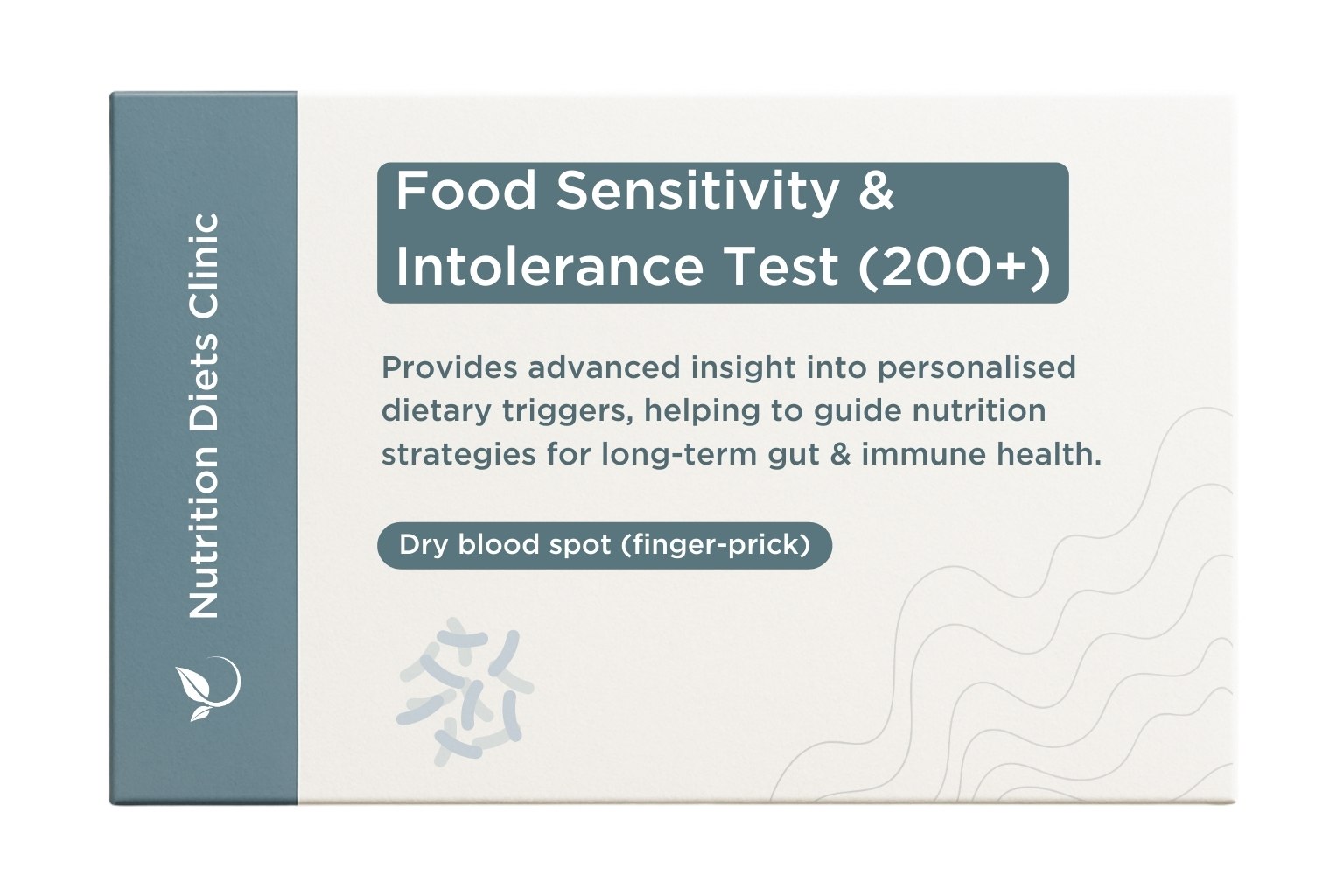
1. Food Sensitivity Testing (IgG)
Identifies immune-mediated food reactions that may contribute to brain fog, skin issues or fatigue. Often the most direct starting point when specific foods – including gluten and dairy – are suspected.
2. Comprehensive Stool Test (GI-MAP) with Zonulin
Assesses microbiome balance, inflammation, digestive function and intestinal permeability – the zonulin marker is particularly relevant for anyone with suspected leaky gut.
🔬 For more information on our range of health tests, personalised nutrition and lifestyle plans and targeted supplement protocols tailored to your needs by our practitioners visit our How It Works page.

Test. Don’t Guess.
Get the answers you’re looking for with our wide range of at-home health tests. Easy to order. Easy to use.
Frequently Asked Questions
How long after eating gluten or dairy does brain fog typically start?
Reactions vary by individual. Some people notice brain fog within 30 to 60 minutes of eating, while others experience a delayed response over several hours or even the following day. Delayed reactions are common with IgG-mediated sensitivities, which is why symptom patterns can be hard to identify without structured elimination or testing.
What’s the difference between a food allergy, intolerance and sensitivity?
A food allergy is an IgE-mediated immune response that is typically immediate and can be severe (e.g. peanut allergy). A food intolerance is usually a digestive issue involving an enzyme deficiency, such as lactose intolerance. A food sensitivity is a non-IgE immune response (often IgG-mediated) that produces delayed, lower-grade symptoms including brain fog, fatigue, skin flares and mood changes. These mechanisms are distinct, and testing can help differentiate them.
I have digestive discomfort after gluten. Does that mean I definitely have gluten sensitivity?
Not necessarily. Digestive symptoms like bloating, gas or irregular bowel habits can overlap with other conditions such as irritable bowel syndrome, FODMAP intolerance or non-coeliac gluten sensitivity. Testing helps clarify the underlying mechanism.
I feel tired after dairy. Is this lactose intolerance or something else?
Post-meal fatigue and brain fog following dairy can be driven by different mechanisms:
-
Lactose intolerance is due to reduced lactase enzyme activity and produces classic digestive symptoms (gas, bloating, diarrhoea) after dairy consumption.
-
Immune or metabolic reactions to dairy proteins (including casein and related peptides) can influence systemic and neurological signalling in sensitive individuals, even without classic digestive symptoms.
These are distinct processes, and testing can help differentiate them.
Are gluten and dairy reactions permanent, or can tolerance improve?
Tolerance to gluten and dairy can change over time, especially in relation to:
-
Gut barrier integrity
-
Microbiome balance
-
Stress levels
-
Inflammatory status
-
Metabolic resilience
Many people experience improvements in brain fog and systemic symptoms when underlying gut imbalance and systemic inflammation are resolved. A personalised, evidence-informed plan helps determine whether strict avoidance, modification or reintroduction is appropriate.
How to Explore Your Triggers Safely and Effectively
Gluten and dairy do not affect everyone in the same way. For some people, they are neutral or well tolerated. For others, especially those with subtle immune activation, microbiome imbalance, compromised gut integrity or heightened stress physiology, these foods can contribute to brain fog, fatigue, mood changes, headaches, skin reactivity and hormonal fluctuations.
What matters is understanding your individual physiology rather than subscribing to blanket dietary rules. This means:
-
Listening to your patterns and symptoms
-
Using evidence-informed testing where appropriate
-
Structuring elimination and reintroduction with intention
-
Supporting gut integrity and systemic resilience
If you’re wondering whether gluten, dairy or other foods may be influencing your cognitive clarity or overall wellbeing, you’re welcome to book a 15-minute complimentary call with us.
YOUR HEALTH. YOUR CHOICE.
At Nutrition Diets Clinic, our functional medicine approach goes far beyond generic advice by considering your unique genetic makeup, diet, environmental exposures, lifestyle factors, and health history to get to the root cause of your health concerns.
1) Expert one-to-one therapy
2) Personalised nutrition and lifestyle plans
3) Easy, at-home functional testing
Starting the journey towards improved health can feel daunting but our team of qualified professionals are here to provide you with expert guidance and support every step of the way.
We offer thorough clinical assessment and therapy via convenient online consultations. Getting started is simple and free so why not take charge of your health today?
* This article is for educational purposes only and does not replace medical advice.