
Key Takeaways
Mitochondria power nearly every body system — metabolism, hormones, immunity, brain function, and ageing — not just energy production.
Persistent fatigue, brain fog, and slow recovery are often early signs of mitochondrial strain, not just “getting older.”
Mitochondrial dysfunction rarely exists in isolation — gut health, nutrient status, stress, and environmental toxins all influence cellular energy production.
Diet, sleep, and movement form the foundation, but many people plateau despite “doing everything right.”
Functional testing identifies what’s actually limiting energy production — gut imbalance, cortisol dysregulation, or biochemical deficiencies — so support can be targeted rather than generic.
A personalised, practitioner-led approach outperforms generic protocols for restoring energy, resilience, and healthy ageing.
Jump To
- What Is Mitochondrial Health, and Why Does It Matter?
- How Do Mitochondria Impact Our Health?
- Recognising Symptoms of Mitochondrial Dysfunction
- Mitochondria, Ageing & Cognitive Decline
- Mitochondrial Dysfunction & Mental Health
- Toxins & Environmental Stressors
- How Functional Testing Can Help
- 7 Ways to Improve Mitochondrial Health
- Frequently Asked Questions
What Is Mitochondrial Health, and Why Does It Matter?
Mitochondria are often called the powerhouses of the cell — the tiny organelles that produce the energy your cells need to function. But mitochondrial health shapes far more than energy: it influences metabolism, hormone balance, immune function, brain health, and how resilient the body stays as we age.
When mitochondrial function is compromised, the body’s ability to produce and regulate energy declines. Over time that can contribute to persistent fatigue, brain fog, poor exercise tolerance, slow recovery, mood changes, and signs of accelerated ageing — even when diet and lifestyle look “healthy” on the surface.
This comprehensive guide explains how mitochondrial health influences the rest of your health, and how to support it with at-home testing, targeted nutrition, and evidence-based lifestyle strategies.
How Do Mitochondria Impact Our Health?
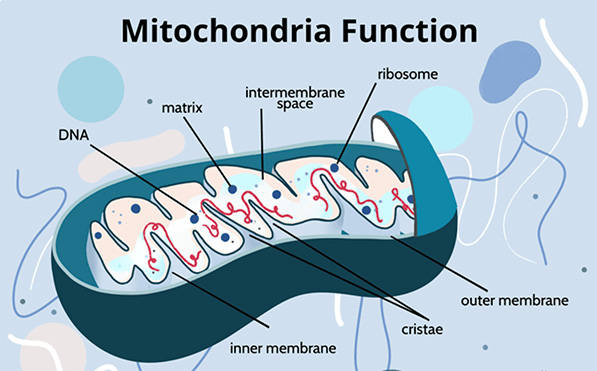
The primary function of mitochondria is to generate adenosine triphosphate (ATP), the main energy currency of the cell, through oxidative phosphorylation. This process, also known as cellular respiration, allows the body to convert nutrients from food into usable energy, supporting the function of almost every tissue and organ.
Beyond energy production, mitochondria play a key role in regulating metabolism, inflammation, cell signalling, and programmed cell death. When mitochondrial function is robust, cells are better able to adapt to stress and maintain optimal function.
Conversely, mitochondrial dysfunction is increasingly associated with chronic health conditions, metabolic disorders, neurodegenerative disease, and accelerated ageing.
The majority of the body’s energy, approximately 90%, is produced by mitochondria in the form of ATP via TCA cycle and the electron transport chain (ETC).
How To Recognise Symptoms of Mitochondrial Dysfunction
Many people who become interested in mitochondrial health are not “unwell” in a conventional sense, they simply feel depleted, flat, or not quite themselves. These symptoms are often subtle at first and can be dismissed as stress, ageing, or “just getting older”.
Common signs that mitochondrial function may be under strain include:
- Brain fog or difficulty concentrating
- Digestive symptoms such as bloating or nausea
- Muscle weakness or aches
- Persistent fatigue despite adequate sleep
- Slow recovery from workouts or illness
- Low resilience to stress
From a functional medicine perspective, these symptoms are rarely caused by mitochondria alone. Instead, they often reflect a broader pattern involving nutrient status, gut health, hormone balance, inflammation, stress response, and environmental exposures – all of which influence cellular energy production. This is why addressing mitochondrial health effectively usually requires a whole-body, personalised approach, rather than isolated supplements or lifestyle changes.

How Do Mitochondria Impact Ageing and Cognitive Decline?
Mitochondrial function naturally declines with age, leading to reduced cellular energy production and increased oxidative stress. During energy production, mitochondria generate reactive oxygen species (ROS) as a by-product. Over time, excess ROS can damage mitochondrial DNA, impairing efficiency and creating a cycle of further oxidative stress.
This process contributes to age-related decline and is linked to conditions such as cardiovascular disease, metabolic dysfunction, and neurodegenerative disorders including Alzheimer’s and Parkinson’s disease.
Because mitochondria sit at the intersection of energy, inflammation, and cellular repair, they are often considered a foundational focus in longevity-oriented nutrition and functional medicine.
How Does Mitochondrial Dysfunction Affect Mental Health?
The brain has exceptionally high energy demands, which is why mitochondria are abundant in brain cells. They provide the ATP required for neurotransmitter synthesis, synaptic communication, and neuroplasticity.
Impaired energy production, combined with oxidative stress and inflammation, can disrupt neurotransmitter balance and stress resilience with emerging research linking mitochondrial dysfunction with depression, anxiety, and cognitive decline.
Clinically, this often presents as “wired but tired” patterns such as low energy, reduced mood resilience, poor concentration, particularly when chronic stress, inflammation, nutrient depletion, or sleep disruption are present.
Oxidative stress associated with mitochondrial damage has been postulated to play a role in the pathogenesis of neuropsychiatric disorders, particularly depression and dementia.

How Do Toxins & Environmental Stressors Affect Mitochondrial Function?
Environmental stressors can place a significant burden on mitochondrial health by increasing oxidative stress and disrupting the enzymes involved in cellular energy production. When exposure is chronic, or when detoxification pathways are overwhelmed, this can contribute to reduced energy, poor recovery, and accelerated ageing.
From a functional medicine perspective, the focus is not on fear or elimination of every exposure, but on understanding total load and supporting the body’s ability to process and clear stressors effectively.
Heavy Metals
Metals such as mercury, lead, cadmium, and arsenic can interfere with mitochondrial enzymes and the electron transport chain, reducing ATP production and increasing oxidative damage. Even low-level, long-term exposure can contribute to fatigue, cognitive symptoms, and poor recovery.
Pharmaceuticals
Certain medications, including statins and some antibiotics, have been associated with mitochondrial “collateral damage” by inhibiting pathways involved in energy production (for example, CoQ10 synthesis). This does not mean medications should be stopped, but it can help explain persistent fatigue or muscle symptoms in some individuals.
Chemical Toxins
Pesticides, herbicides, plastics (such as BPA and phthalates), and other industrial chemicals have been shown to impair mitochondrial function and increase oxidative stress. These compounds may also disrupt hormone signalling, indirectly affecting energy regulation.

How Functional Health Testing Can Support Mitochondrial Health
While lifestyle strategies are essential, many people reach a plateau where symptoms persist despite “doing everything right”. In these cases, functional testing can help identify what is limiting cellular energy production. The appropriate test depends on your individual symptoms but may include:
Targeted nutrient testing can help identify whether deficiencies in nutrients such as vitamin D, B vitamins, magnesium, or methylation-related markers may be limiting cellular energy production.
Rather than supplementing blindly, comprehensive nutrient testing helps clarify whether mitochondrial function is being constrained at a biochemical level; allowing for precise, personalised support.
Chronic stress and disrupted cortisol rhythms can impair mitochondrial recovery and increase fatigue.
The DUTCH Plus test measures daily cortisol patterns to assess whether stress dysregulation may be contributing to low energy, sleep disturbance, or burnout.
This is particularly relevant for individuals experiencing persistent fatigue despite maintaining a healthy lifestyle.
The gut plays a central role in nutrient absorption and inflammation regulation, both critical for mitochondrial performance.
The Comprehensive Stool Test (GI Map) Plus Zonulin assesses microbial balance, pathogens and inflammatory markers, as well as evaluating gut barrier integrity.
If nutrients are not being absorbed effectively, or if chronic inflammation is present, mitochondrial energy production can suffer — even with an excellent diet.
Test. Don’t Guess.
Get the answers you’re looking for with our wide range of at-home health tests. Easy to order. Easy to use.



7 Ways to Improve Mitochondrial Health Naturally: A Functional Medicine Approach
When supporting mitochondrial health from a functional medicine perspective, the goal is to reduce factors that impair energy production while actively supporting the biochemical pathways mitochondria rely on to function efficiently. This typically involves a combination of nutrition, lifestyle adjustments, and where appropriate, personalised assessment to guide targeted support.
1. Optimise Diet and Nutrition for Mitochondrial Energy Production
Mitochondria depend on a steady supply of nutrients to generate ATP efficiently. These nutrients act as cofactors in the Krebs cycle and electron transport chain, directly influencing how much energy cells can produce. Key nutritional considerations include:
- Amino acids: Which support tissue repair and metabolic pathways. Foods include poultry, eggs and dairy, quinoa and tofu.
- B vitamins (B1, B2, B3, B5, B12): Support energy metabolism. Sources include leafy greens, nuts, and seeds.
- Healthy fats: Found in avocados and fatty fish, these provide a stable fuel source for mitochondrial function.
- Iron: Essential for oxygen transport and mitochondrial respiration. Grass-fed red meat is a healthy source of iron.
- Magnesium: Vital for over 300 biochemical reactions, including energy production. Magnesium-rich foods include nuts, seeds, and whole grains.
2. Use Supplements Strategically to Support Mitochondrial Pathways
Targeted supplement protocols can support mitochondrial function when specific needs or deficiencies are identified. Commonly used supplements in mitochondrial support protocols include:
- Acetyl-L carnitine: Helps transport fatty acids into mitochondria for energy production
- Alpha-lipoic acid: Acts as a potent antioxidant and supports mitochondrial enzymes
- Coenzyme Q10 (CoQ10): Acts as a key component of the electron transport chain
- NAD+: Supports energy production and cellular repair
- PQQ: Promotes mitochondrial biogenesis
Importantly, supplementation should not be generic or excessive. In functional medicine, supplements are carefully selected based on symptoms, health history, and, where appropriate, test findings, to avoid unnecessary cost or metabolic imbalance.

3. Consider Intermittent Fasting Carefully
Intermittent fasting (IF) has been widely studied for its effects on metabolic health and cellular ageing. In appropriate individuals, it may support mitochondrial function by improving energy efficiency and cellular resilience. Potential mitochondrial benefits of intermittent fasting include:
- Boosts Insulin Sensitivity: Improved insulin sensitivity from IF regulates blood sugar levels more effectively, reducing metabolic strain on mitochondria and promoting optimal function.
- Enhances Mitochondrial Biogenesis: IF stimulates mitochondrial biogenesis by activating signalling molecules like PGC-1α and AMPK, which promote the formation of new mitochondria.
- Increases Production of Key Molecules: Fasting boosts the production of sirtuins, NAD+, and ketones, all of which support mitochondrial function and energy production.
- Promotes Autophagy: This is the body’s process of cleaning out damaged cells and regenerating new ones. This helps remove dysfunctional mitochondria, reducing oxidative stress and maintaining a healthy mitochondrial population.
- Reduces Inflammation & Oxidative Stress: IF lowers systemic inflammation and oxidative stress, creating a more favourable environment for mitochondrial health. This protection helps maintain mitochondrial DNA and protein integrity.
Common approaches include the 16:8 method, the 5:2 method, and alternate-day fasting.
However, IF is not appropriate for everyone. In individuals with chronic stress, hormonal imbalance, a history of disordered eating, pregnancy, or significant fatigue, fasting may increase physiological stress and worsen symptoms.
From a functional medicine perspective, intermittent fasting should be personalised rather than applied as a one-size-fits-all strategy.
4. Support Gut Health to Improve Mitochondrial Function
A healthy gut microbiome significantly supports mitochondrial function. Beneficial gut bacteria produce short-chain fatty acids (SCFAs) like butyrate, which enhance mitochondrial efficiency and biogenesis. A balanced microbiome also regulates inflammation and reduces oxidative stress, protecting mitochondria from damage.
Additionally, a healthy gut improves the absorption of essential nutrients like B vitamins and CoQ10, crucial for mitochondrial energy production.
Following a gut-friendly diet that incorporates probiotics and prebiotics to supports your microbiome enhances mitochondrial function, energy production, and overall well-being.
5. Use Exercise to Stimulate — Not Deplete — Mitochondria
Physical activity is one of the most effective ways to stimulate mitochondrial biogenesis, encouraging the body to produce more and healthier mitochondria. Generally supportive forms of movement include:
- Low-intensity aerobic activity such as walking
- Resistance training to preserve muscle mass
- Moderate cardiovascular exercise
However, excessive high-intensity training without adequate recovery can increase oxidative stress and worsen symptoms in individuals with compromised energy systems. When fatigue is persistent, a phased approach that rebuilds capacity while addressing underlying stressors is often more effective than pushing harder.
6. Reduce Toxic Load and Support Detoxification Pathways
Rather than extreme “detoxes”, functional medicine focuses on reducing exposure, supporting the body’s natural detoxification processes, and ensuring adequate nutrient status so mitochondria are not under constant oxidative stress. Simple, practical changes can make a meaningful difference over time.
- Avoid Plastic Containers: Plastics can leach chemicals such as BPA and phthalates into food and drinks, which may interfere with mitochondrial and hormone function. Where possible, use glass, stainless steel, or silicone alternatives.
- Avoid Processed Foods: Processed foods are more likely to contain additives, pesticides, and chemical residues that increase oxidative stress. Choosing whole, minimally processed foods, and organic options when available, can reduce toxic load.
- Consider a detox programme: A short-term detox protocol, guided by a qualified healthcare professional, can help reduce overall load. Extreme or unsupervised “cleanses” can place additional stress on mitochondria rather than support them.
- Filter Your Water: Tap water may contain chlorine, heavy metals, or other contaminants. A good-quality water filter can reduce exposure and support overall cellular health.
- Use Natural Cleaning Products: Many conventional cleaning products contain harsh chemicals that can affect mitochondrial function. Natural alternatives such as vinegar, baking soda, and simple plant-based products are often better tolerated.
7. Prioritise Sleep and Stress Regulation
Sleep is essential for mitochondrial repair and regeneration. During deep sleep, cells repair oxidative damage and restore energy-producing capacity.
Chronic stress, poor sleep quality, blood sugar instability, and cortisol dysregulation often interact to suppress mitochondrial function.
Addressing sleep and stress together, rather than in isolation, is frequently key to restoring energy, resilience, and cognitive clarity.

Frequently Asked Questions About Mitochondrial Health
What are the most common signs of poor mitochondrial health?
Common signs include persistent fatigue, brain fog, poor exercise tolerance, slow recovery, low stress resilience, and feeling that energy levels are declining faster than expected with age.
Can improving mitochondrial health help with ageing?
Supporting mitochondrial function is considered a key factor in healthy ageing. Efficient energy production helps maintain muscle mass, cognitive function, metabolic health, and overall resilience as we age.
Are supplements necessary to support mitochondrial health?
Not always. Nutrition, sleep, movement, and stress management form the foundation. Supplements may be helpful when specific deficiencies or increased demands are identified, but they are most effective when tailored to the individual rather than taken generically.
Can you test for mitochondrial health?
There is no single routine test that measures mitochondrial function directly. Functional testing instead looks at the factors that influence it — nutrient status, cortisol rhythm and gut health — to identify what may be limiting cellular energy production, so support can be targeted rather than generic.
How does gut health affect mitochondrial function?
The gut microbiome influences nutrient absorption, inflammation, and metabolic signalling – all of which affect mitochondrial efficiency. Poor gut health can limit energy production even when diet and supplementation are adequate.
How long does it take to improve mitochondrial health?
It varies between individuals. Foundational changes to diet, sleep, movement and stress can begin to make a difference within a few weeks, but more established fatigue or underlying imbalances often take several months of consistent, personalised support. There is no fixed timeline.
When should I consider speaking to a practitioner about low energy or fatigue?
If fatigue, brain fog, or poor recovery persist despite lifestyle changes, a practitioner-led assessment can help identify underlying imbalances and guide a more targeted approach.
YOUR HEALTH. YOUR CHOICE.
Supporting mitochondrial health is one of the most powerful ways to improve long-term energy, resilience, and healthy ageing. A functional medicine approach focuses on identifying and addressing what is limiting cellular energy production in each individual.
If you are experiencing persistent fatigue, poor recovery, or feel that your energy and vitality are not where they should be, a personalised, practitioner-led assessment can help move you from uncertainty to clarity.
If that sounds like where you are, a 15-minute Discovery Call is the simplest place to start — free, no pressure.
This article is for educational purposes and does not constitute medical advice. Nutritional therapy supports health alongside — not instead of — conventional medical care. Always consult your GP or a qualified healthcare professional about your individual circumstances.