Functional medicine fertility nutritionist · Online across the UK
Fertility
Preparing to conceive, or already trying? Functional medicine looks at the body as one connected system, from hormones and gut to the immune system, nutrients and stress. We support men and women to prepare for conception and a healthy pregnancy, with an experienced, UK-registered nutritional therapist.
5.0from 68 Google reviews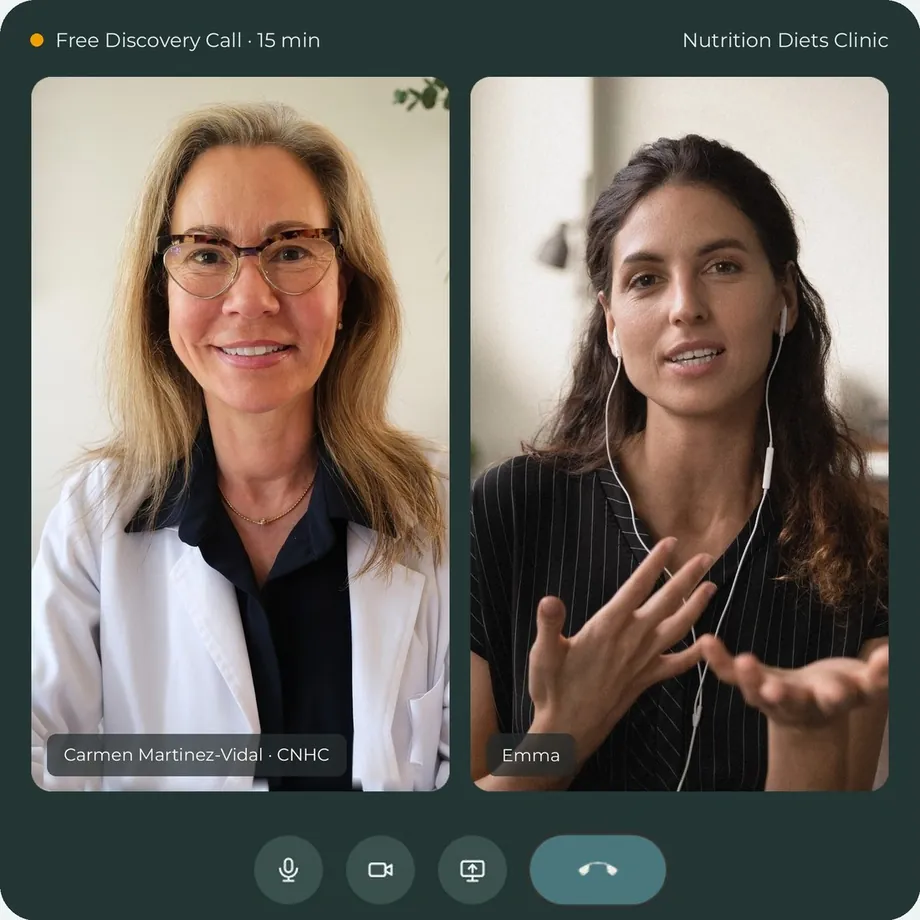
Which fertility concerns can we help with?
Choose what you're experiencing to see what may be behind it and how we can help.
Trying to conceive
Trying for a baby for some months without a pregnancy, and wanting to look at what your health, diet and lifestyle may be adding, for both of you.
Your options
A consultation looks at both partners and at how your systems connect: your cycle and hormones, gut, immune health, blood sugar, nutrients, stress and sleep, alongside any GP or clinic results, to understand what may be getting in the way and tailor your plan. Where the picture is unclear, testing may be recommended either as a first step, or later on.
NHS advice is to see your GP if you have not conceived after a year of trying, or sooner if you are a woman aged 36 or over or already know there may be a fertility problem, for either partner.
Consultation
Comprehensive Consultation£180Want to discuss your symptoms or test options? Book a free 15-minute Discovery Call
Preparing your body to conceive
Planning to try in the coming months, and wanting you both to prepare your bodies for conception and a healthy pregnancy before you start.
Often linked to
Your options
Eggs and sperm take around three months to develop, so the months before you try are the time to prepare. A consultation looks at you both as a whole: what you eat, your nutrient status, gut, hormones, weight, toxic load from alcohol, smoking and chemicals, sleep and stress, and builds a preconception plan for those months. Where the picture is unclear, testing may be recommended either as a first step, or later on.
The NHS advises a daily folic acid supplement from when you start trying for a baby, ideally three months before, until 12 weeks of pregnancy. Some people need a higher dose that only a GP can prescribe, so ask your GP which is right for you.
Consultation
Comprehensive Consultation£180Want to discuss your symptoms or test options? Book a free 15-minute Discovery Call
Sperm health and male fertility
A semen analysis that showed a low count, poor movement or abnormally shaped sperm, or wanting to prepare your body as the male partner before you start trying.
Your options
Poor-quality semen is a common cause of fertility problems in men, and sperm take around three months to develop, so changes made now count. A consultation looks at you as a whole: your diet, nutrient status, weight, alcohol, smoking, heat, chemicals at work, stress, sleep and gut, and builds a plan around them. Where the picture is unclear, testing may be recommended either as a first step, or later on. Our low testosterone panel below covers hormones in men.
Sperm count and quality are measured by a semen analysis, which your GP can arrange: our tests do not measure sperm. Some medicines and herbal remedies can affect sperm, so ask your GP before stopping or starting anything. See your GP about any lump, swelling or pain in the testicles.
Consultation
Comprehensive Consultation£180Want to discuss your symptoms or test options? Book a free 15-minute Discovery Call
Low testosterone or libido
Tired, flat and less driven, a lower libido, or losing muscle while gaining weight around the middle, in men who are trying for a baby or planning to.
Your options
Testosterone is the male sex hormone involved in making sperm, and blood sugar, weight, stress and sleep all shape it. A consultation looks at those alongside your diet and nutrients, and builds a plan around them. Where the picture is unclear, testing may be recommended either as a first step, or later on. Our hormonal imbalances page covers low testosterone and low libido in more depth.
A low testosterone level needs confirming by your GP with a blood test, usually taken in the morning. Testosterone and anabolic steroids taken from outside the body can lower sperm count, so tell your GP you are trying to conceive before any treatment.
Consultation
Comprehensive Consultation£180Want to discuss your symptoms or test options? Book a free 15-minute Discovery Call
Irregular or painful periods
Cycles that vary in length or skip, heavy or painful periods, or spotting before your period, which can make it hard to know when you ovulate.
Your options
A consultation looks at your cycle alongside your blood sugar, weight, stress, sleep and diet, to understand what may be unsettling it and tailor your plan. Where the picture is unclear, testing may be recommended either as a first step, or later on. Our hormonal imbalances page covers PMS and heavy or irregular periods in more depth.
Very heavy or painful periods, bleeding between periods or after sex, or periods that stop need your GP first.
Consultation
Comprehensive Consultation£180Want to discuss your symptoms or test options? Book a free 15-minute Discovery Call
PCOS
Diagnosed with polycystic ovary syndrome, or irregular cycles alongside acne, unwanted hair or weight around the middle.
Your options
Your GP diagnoses PCOS with blood tests and sometimes a scan. A consultation works alongside them, looking at your blood sugar, weight, diet, stress and sleep, the things that shape PCOS day to day, and builds a plan around them. Where the picture is unclear, testing may be recommended either as a first step, or later on. Our hormonal imbalances page covers acne, hair loss and unwanted hair.
If you think you may have PCOS and have not been assessed, see your GP. Keep taking any medication your doctor or fertility clinic has prescribed: never stop or change it without them.
Consultation
Comprehensive Consultation£180Want to discuss your symptoms or test options? Book a free 15-minute Discovery Call
Unexplained infertility
Told your tests are normal and there is no clear reason you have not conceived, and wondering what else could be looked at.
Often linked to
Your options
Normal results from the standard checks are reassuring, and they do not look at everything. A consultation works alongside your GP or fertility clinic, looking at the systems those checks leave out, for both of you: your gut, immune health and inflammation, nutrients, stress, sleep and toxic load. Where the picture is unclear, testing may be recommended either as a first step, or later on.
NICE advises GPs to consider a blood test for coeliac disease in unexplained fertility problems or recurrent miscarriage: ask your GP, and do not cut out gluten before you are tested. Keep taking any medication your doctor or fertility clinic has prescribed: never stop or change it without them.
Consultation
Comprehensive Consultation£180Want to discuss your symptoms or test options? Book a free 15-minute Discovery Call
Autoimmune, thyroid or coeliac
Living with an autoimmune condition such as Hashimoto’s or coeliac disease, or gut, skin or joint flares alongside trying to conceive.
Often linked to
Your options
Your GP or specialist manages your condition. A consultation works alongside them, looking at what keeps the immune system on alert, such as your gut, food reactions, nutrient status, stress and sleep, to support your health before and while you try. Where the picture is unclear, testing may be recommended either as a first step, or later on. Our immune system support page covers Hashimoto’s and coeliac disease.
Tell your GP or specialist that you are trying to conceive, as some medicines and doses are reviewed before pregnancy. Keep taking any medication your doctor or fertility clinic has prescribed: never stop or change it without them.
Consultation
Comprehensive Consultation£180Want to discuss your symptoms or test options? Book a free 15-minute Discovery Call
Gut symptoms
Bloating, constipation, loose stools or food reactions alongside trying for a baby, in either partner.
Often linked to
Your options
A consultation looks at your gut alongside your diet, nutrients, stress and sleep, because the gut is where nutrients are absorbed, where some used hormones leave the body, and where much of the immune system sits. Where the picture is unclear, testing may be recommended either as a first step, or later on. Our gut health page covers bloating after eating in more depth.
Blood in your stool, losing weight without trying, or vomiting that will not stop needs your GP first.
Consultation
Comprehensive Consultation£180Want to discuss your symptoms or test options? Book a free 15-minute Discovery Call
Stress and poor sleep
Feeling tired but wired, sleeping badly or worn down by how long it is taking, in either partner.
Your options
A consultation looks at your stress load, sleep and routines alongside your meals and blood sugar, and builds changes that calm the stress system and protect your sleep. Where the picture is unclear, testing may be recommended either as a first step, or later on. Our hormonal imbalances page covers stress, sleep and cortisol.
If you are struggling with your mood, speak to your GP: trying to conceive can be hard, and support is there.
Consultation
Comprehensive Consultation£180Want to discuss your symptoms or test options? Book a free 15-minute Discovery Call
IVF or fertility treatment
Preparing for IVF or another fertility treatment, or between cycles, and wanting to support your health alongside your clinic’s care.
Often linked to
Your options
Your fertility clinic leads your treatment, and nothing here replaces their care. A consultation works alongside them, looking at your diet, nutrients, stress and sleep to support how you feel through treatment. Tell your clinic about any supplement before you start it.
Keep taking any medication your doctor or fertility clinic has prescribed: never stop or change it without them.
Consultation
Comprehensive Consultation£180Want to discuss your symptoms or test options? Book a free 15-minute Discovery Call
What can affect fertility?
Functional medicine sees your body as one connected system. Your gut absorbs the nutrients a pregnancy depends on, helps clear used hormones and holds much of your immune system, and inflammation from the gut or immune system can unsettle hormone balance in turn. So a functional medicine fertility nutritionist looks at how these systems work together, for both partners, and helps prepare your bodies over the months before you try. Your GP or fertility clinic checks the medical causes, such as ovulation, the womb and fallopian tubes, infections and a semen analysis.
Hormone balance and ovulation
How well oestrogen, progesterone and testosterone rise and fall, in women and in men.Conception depends on hormones working in sequence. In women, oestrogen builds through the first half of the cycle, ovulation releases an egg, and progesterone rises in the second half to prepare the womb lining. In men, testosterone, the male sex hormone involved in making sperm, and the hormones around it support sperm production. When the balance is off, it often shows up as cycles that vary, spotting before a period, PMS, low libido or low energy, in either partner. Functional medicine sees hormones as the messengers of the whole system: blood sugar, stress, the gut and inflammation all feed into them.Read more
Sound familiar?
- Cycles that vary in length, or spotting before your period
- PMS, heavy periods or low libido
- In men, low energy, low drive or a lower libido
What can lead to it
- Ongoing stress, which can suppress progesterone
- Blood sugar swings and insulin resistance
- Being under or over a healthy weight
- Slow clearance of used hormones
Our approach
We look at your cycle, symptoms and any GP or clinic results alongside your diet, weight, stress and sleep, and build a plan that supports a steadier hormone pattern for you both. Our hormonal imbalances page covers sex hormone balance in more depth.
How we investigate
The DUTCH Plus maps oestrogens and how you break them down, progesterone metabolites, testosterone and DHEA-S, and your cortisol across one day, from dried urine and saliva collected at home. It runs for women and men. It does not measure FSH, LH, AMH (a marker of egg reserve) or thyroid hormones, and it does not confirm ovulation: your GP or fertility clinic checks ovulation and egg reserve with blood tests and scans.
Want to discuss your symptoms or test options? Book a free 15-minute Discovery Call
An imbalanced gut
A gut that is not absorbing well, bacteria out of balance, or low-grade inflammation that reaches the rest of the body.The gut is where the nutrients a pregnancy depends on are absorbed, and some of its bacteria help to process used oestrogen so the body can clear it. When the bacteria are out of balance or the gut lining is inflamed, nutrients can run low, hormones can be cleared less well, and inflammation can spread beyond the gut. Because the gut also holds a large part of the immune system, it sits at the centre of the functional medicine picture of fertility, for both partners.Read more
Sound familiar?
- Bloating, constipation or loose stools, in either partner
- Food reactions that have built up over time
- Feeling tired even though you eat well
What can lead to it
- Antibiotics and some other medicines
- Gut infections, including ones picked up abroad
- A low-fibre diet with little variety
- Long-term stress
Our approach
We support digestion and the gut lining first, then rebuild the variety and fibre in your diet step by step. Our gut health page covers an imbalance in the gut bacteria in more depth.
How we investigate
The GI-MAP maps your gut bacteria, digestion and gut inflammation from one stool sample, and screens for infections, parasites and yeast. The GI-MAP + Zonulin adds zonulin, a marker of gut permeability. Both look at the gut only.
Want to discuss your symptoms or test options? Book a free 15-minute Discovery Call
Inflammation and the immune system
An immune system on alert, low-grade inflammation, or an autoimmune condition, which can unsettle the conditions conception needs.Conception and pregnancy ask the immune system to find a careful balance. When it is on alert, from an inflamed gut, an infection, food reactions or an autoimmune condition, that inflammation can unsettle hormone balance and the conditions conception needs. Some autoimmune conditions are closely tied to fertility: NICE advises GPs to consider a blood test for coeliac disease in people with unexplained fertility problems or recurrent miscarriage. The gut is where much of this starts, which is why functional medicine looks at the two together.Read more
Sound familiar?
- An autoimmune condition such as Hashimoto’s or coeliac disease
- Gut symptoms, food reactions or skin flares alongside trying
- Getting ill often, or feeling inflamed and achy, in either partner
What can lead to it
- An inflamed or more permeable gut lining
- Foods you react to, such as gluten
- Infections, in the gut or elsewhere
- Low vitamin D and other nutrient gaps
Our approach
We look at your gut, food reactions, nutrient status, stress and sleep, the things that keep the immune system on alert, and build a plan that supports a calmer immune response alongside your GP or specialist. Our immune system support page covers inflammation in more depth.
How we investigate
The GI-MAP + Zonulin looks at the gut’s own immune defences, including secretory IgA and calprotectin, and zonulin, a marker of gut permeability. The Complete Vitamin D Test measures vitamin D, which immune cells depend on. Neither diagnoses an autoimmune condition: your GP does that with blood tests, including for coeliac disease while you are still eating gluten.
Want to discuss your symptoms or test options? Book a free 15-minute Discovery Call
Nutrient status, from folate to vitamin D
Running short of folate, vitamin D, iron, zinc, selenium, omega-3 fats and other nutrients eggs, sperm and a pregnancy rely on.Eggs and sperm take around three months to develop, so the nutrients you have now matter for both of you. Folate is the best known, and some people carry gene variants that affect how well they use it. Vitamin D, iron, B12, zinc, selenium and omega-3 fats all play a part too, and for men, zinc, selenium and antioxidants are among the nutrients sperm production relies on. They can run low on a restricted diet, when the gut is not absorbing well, or after a long stretch of stress.Read more
Sound familiar?
- A restricted diet, or foods cut out without a plan
- Taking supplements without knowing whether you need them
- Mostly indoors, or always covered up when outside
What can lead to it
- A diet low in vegetables, oily fish, eggs, nuts and seeds
- Poor absorption from an inflamed gut
- Heavy periods, which use up iron
- Little sunlight on your skin, especially from October to March
Our approach
We look at what you both eat, how well you absorb it and any GP results, and build a way of eating that fills the gaps, with targeted supplements only where your symptoms and results show you need them. The NHS advises a daily folic acid supplement from when you start trying for a baby, ideally three months before, until 12 weeks of pregnancy. Some people need a higher dose that only a GP can prescribe, so ask your GP which is right for you. Our metabolic issues page covers nutrient gaps in more depth.
How we investigate
The Complete Vitamin D Test measures your vitamin D level from a finger-prick at home. The NutrEval Test reads B-vitamin markers, zinc, selenium, antioxidants and your omega-3 balance from blood and urine; it does not include vitamin D or iron. The Methylation Genetic Test reads the gene variants in your folate pathway from a cheek swab: it shows how your body is likely to handle folate, not how much you have.
Want to discuss your symptoms or test options? Book a free 15-minute Discovery Call
Blood sugar and insulin
Blood sugar that swings, and insulin that has to work harder, which can unsettle ovulation and hormone balance.Insulin does more than manage blood sugar. When it runs high for a long time, it can push the ovaries to make more testosterone, which is one of the patterns behind PCOS and irregular ovulation. In men, insulin resistance and weight around the middle are associated with lower testosterone, and being overweight reduces fertility in both partners. Meals, sleep, stress and movement all shape it, which is why it is one of the first things functional medicine looks at.Read more
Sound familiar?
- Energy crashes or cravings after meals
- Weight gain around the middle
- Irregular cycles with acne or unwanted hair
What can lead to it
- Meals high in refined carbohydrates and sugar
- Short sleep and ongoing stress
- Little movement through the day
- A family history of type 2 diabetes
Our approach
We build a way of eating that keeps blood sugar steadier, with protein, fibre and healthy fats at each meal, alongside sleep, stress and movement changes that suit your day. Our metabolic issues page covers blood sugar and insulin resistance in more depth.
How we investigate
Blood sugar and insulin are measured with blood tests, such as HbA1c, which your GP can arrange. We look at your eating pattern, energy and symptoms alongside any results you already have.
Want to discuss your symptoms or test options? Book a free 15-minute Discovery Call
Stress, sleep and cortisol
A stress system that stays switched on, and short sleep, both of which shift the hormones conception depends on.Cortisol, the main stress hormone, and the reproductive hormones are controlled by the same parts of the brain. When stress runs for months or sleep is short, the body can turn down progesterone and other reproductive signals, and in men severe stress may affect sperm production. Trying to conceive can be stressful in itself, especially after a long time trying, which is why stress and sleep are part of the plan from the start.Read more
Sound familiar?
- Tired but wired, or waking in the early hours
- Spotting or short cycles during stressful stretches
- Feeling worn down by how long it is taking
What can lead to it
- Long-term work or family stress
- Short or broken sleep
- Shift work
- Over-training or eating too little
Our approach
We look at your stress load, sleep and routines alongside your meals, and build changes that calm the stress system and protect your sleep. Our hormonal imbalances page covers stress, sleep and cortisol in more depth.
How we investigate
The DUTCH Plus maps your cortisol at five points across one day, including the rise after you wake, alongside your sex hormones, from dried urine and saliva collected at home.
Want to discuss your symptoms or test options? Book a free 15-minute Discovery Call
Toxic load and how your body clears it
Alcohol, smoking, heat and chemicals that add to oxidative stress, and the liver, gut and kidneys that clear them.Eggs and sperm are sensitive to oxidative stress, the wear caused when the body's antioxidant defences cannot keep up. Smoking, alcohol, heavy metals and some chemicals in plastics and cosmetics add to that load. Certain pesticides, solvents and metals have been shown to affect fertility, particularly in men, and a warmer scrotum is linked to lower semen quality, from laptops on the lap to long hot baths. Your liver, gut and kidneys do the work of clearing these and used hormones, which functional medicine calls detoxification, and they rely on protein, vegetables and other nutrients from your diet to do it.Read more
Sound familiar?
- Drinking alcohol most weeks, or smoking or vaping
- Regular contact with pesticides, solvents or metals at work or home
- A diet low in vegetables and fruit
What can lead to it
- Smoking and alcohol
- Heavy metals, such as lead and mercury
- Chemicals in plastics, cosmetics and cleaning products
- Heat around the testicles
Our approach
We look at the everyday sources of load in your home, work and diet and lower them step by step over the months before you try, for both of you, and build a way of eating that supports your liver, gut and kidneys, rather than a short cleanse. Our hormonal imbalances page covers how your body clears hormones in more depth.
How we investigate
The NutrEval Test measures lead, mercury, arsenic and cadmium, your antioxidant defences and markers of oxidative stress, from blood and urine. The DUTCH Plus includes 8-OHdG, a marker of oxidative stress.
Want to discuss your symptoms or test options? Book a free 15-minute Discovery Call

What is it like to work with a nutritional therapist?
You’ll work with one practitioner, one to one and online, from start to finish. Carmen Martinez-Vidal is a UK-registered nutritional therapist with over 15 years in functional medicine. Her specialities, digestive disorders, hormonal imbalances, autoimmune conditions and detoxification, cover the connected systems on this page. She works with women, men and couples, looking at your symptoms alongside your hormones, gut, immune health, diet, nutrients, stress, sleep and any GP or clinic results, advises on and interprets any testing, and designs a personalised plan alongside your GP or fertility clinic, refining it with you at each step.

Should I see a fertility nutritionist or take a test first?
There's no one-size-fits-all approach to fertility. We shape your plan around your symptoms, history, any GP or clinic results and your timeline, whether you begin with a consultation or a test.

One-to-one consultation
Start here if you’ve already tried other routes or want a comprehensive review of your health. Carmen assesses your history, diet, lifestyle and symptoms in depth to identify possible underlying causes, design a targeted action plan and recommend whether testing is worthwhile.
60-minute Comprehensive Consultation · £180
Fertility testing
Start here if you’d like answers from a test first. We can help you choose if you’re not sure which test is right for you. Your results are then professionally interpreted and explained in a Lab Findings Review (£99) with Carmen, or applied to a personalised plan in a full Comprehensive Consultation (£180).
Tests from £75
See the testsNot sure where to begin?
Talk it through with Carmen on a free 15-minute video call to understand your best first step.
Which tests can help when you are trying to conceive?
Many couples have had the standard fertility checks and been told everything looks normal. These tests look at the hormone, nutrient and gut patterns those checks do not cover, so your plan starts from what is happening in your body. Explore the tests below to see what each one can, and cannot, tell you.
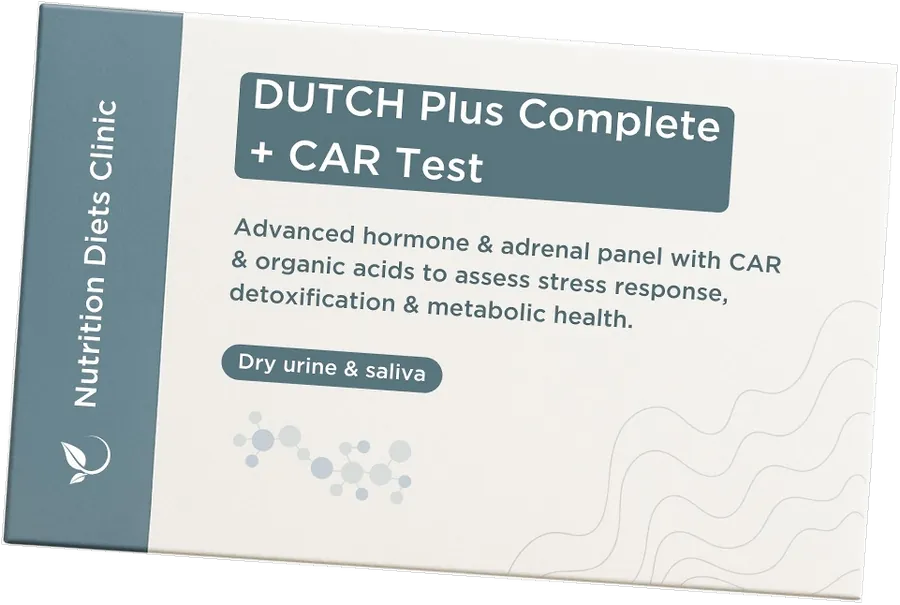
DUTCH Plus Complete Test + Cortisol Awakening Response (CAR)
See how your sex hormones and cortisol rise and fall across one ordinary day, from the moment you wake.
- At-home urine and saliva
- Results in 15 to 20 working days
- Free UK delivery
Explore more fertility tests
All at-home tests →Not sure which test is right for you? Book a free Discovery Call
What do our clients say?
Common questions about fertility
Why am I not getting pregnant?
There are many possible reasons, and they can sit with either partner. The NHS lists problems with ovulation (often linked to PMOS, which used to be called PCOS, or to thyroid problems), poor-quality semen, damage to the fallopian tubes, endometriosis and pelvic inflammatory disease among the causes, and for some couples no cause is found, which is called unexplained infertility. Your GP can arrange the tests that look for these. Alongside them, functional medicine looks at what may be getting in the way for both of you, such as blood sugar, nutrient status, gut health, inflammation, stress, sleep and toxic load.
How long should it take to get pregnant, and when should we see a doctor?
Some couples conceive quickly and others take longer. The NHS says most couples where the woman is under 40 conceive naturally within a year if they have regular unprotected sex, every two or three days. NHS advice is to see your GP if you have not conceived after a year of trying, or sooner if you are a woman aged 36 or over or already know there may be a fertility problem, for either partner. Your GP can check whether you are ovulating with a blood test, test you both for infections such as chlamydia, arrange a semen analysis and a scan, and refer you on if needed. If you are pregnant and have bleeding or tummy pain, contact your GP, midwife or early pregnancy unit straight away.
Can functional medicine help with fertility?
It can support your health, and your partner’s, while you try, alongside the medical checks your GP or clinic runs; it does not diagnose or treat infertility. Functional medicine treats the body as one connected system and looks at fertility as a reflection of your whole health. We look at how your hormones, gut, immune system, blood sugar, nutrient status, stress, sleep and toxic load affect each other, then build a preconception plan for diet, lifestyle and any targeted supplements over the months before you try, and suggest testing where it would change what we do.
Can a fertility nutritionist help us conceive?
Nobody can promise a pregnancy, and a registered nutritional therapist does not diagnose or treat infertility. What a fertility nutritionist can do is look at what may be getting in the way for both of you, such as hormone balance, blood sugar, nutrient status, gut health, stress and sleep, and help you make changes that support your health while you try, alongside your GP or fertility clinic.
Can you get pregnant with PCOS?
Yes, many people with PCOS get pregnant, some naturally and some with treatment. The NHS now calls it polyendocrine metabolic ovarian syndrome (PMOS) and says it can cause problems getting pregnant, usually because the ovaries do not release an egg each month. Your GP diagnoses it and can offer treatment to help with ovulation. The NHS also advises a healthy, balanced diet, regular exercise and losing weight if you are overweight, and says the cause may be to do with hormones such as insulin and testosterone not working properly. That is where a nutrition and lifestyle plan, built alongside your GP’s care, focuses: your meals, blood sugar, weight, sleep, stress and movement.
What affects male fertility and sperm quality?
Fertility involves both partners, so we work with men on their own and with couples. The NHS says a common cause of fertility problems in men is poor-quality semen: too few sperm, or sperm that are abnormally formed or do not move well. Things linked to lower semen quality include smoking, heavy drinking, being overweight, a warmer scrotum, some medicines and certain pesticides, solvents and metals, and low testosterone affects how sperm are made. A consultation looks at all of these, alongside your diet, nutrients, gut, stress and sleep. The DUTCH Plus, NutrEval and gut tests all run for men; sperm themselves are measured by a semen analysis, which your GP can arrange.
Can a test tell us if we’re fertile?
Not the tests we offer. None of them measures egg reserve, sperm or whether you are ovulating, and none diagnoses infertility or PCOS. The DUTCH Plus maps sex hormones and cortisol but not FSH, LH, AMH or thyroid hormones. The Methylation Genetic Test reads gene variants, not nutrient levels. The Complete Vitamin D Test measures vitamin D only. The GI-MAP tests look at the gut only. The NutrEval Test covers more than 125 nutrient, metabolic and toxic metal markers but not vitamin D or iron. Your GP or fertility clinic runs the blood tests, scans and semen analysis that look at fertility directly.
Should I do a fertility detox before trying to conceive?
A fertility detox or cleanse usually means a short programme of juices, teas, supplements or fasting before trying for a baby. In functional medicine, preparing the body is different: your liver, gut and kidneys do the clearing, so the work is lowering what you are exposed to and supporting those organs, through less alcohol, stopping smoking, fewer chemicals in your home and cosmetics, regular digestion, and a way of eating with enough protein, fibre and vegetables. We build that into a preconception plan for you both over the months before you try. If you are already pregnant, do not start a cleanse, detox product or fast; talk to your midwife or GP first.
Can gut health, stress or thyroid problems affect fertility?
They can all play a part, which is why functional medicine looks at them together for both partners. The NHS lists both an overactive and an underactive thyroid among the causes of ovulation problems, and NICE notes that stress can lower sex drive and how often couples have sex. Your gut absorbs the nutrients a pregnancy depends on, some gut bacteria help to process used oestrogen so it can leave the body, and much of your immune system sits in the gut lining. When the gut is inflamed or out of balance, nutrients can run low, hormones can be cleared less well and the immune system can stay on alert, which is why the GI-MAP tests sit alongside the hormone and nutrient tests here. Thyroid problems need your GP.
When should I start taking folic acid?
The NHS advises a daily folic acid supplement from when you start trying for a baby, ideally three months before, until 12 weeks of pregnancy. Some people need a higher dose that only a GP can prescribe, so ask your GP which is right for you. A practitioner can look at the rest of your diet and nutrient status, so you know whether anything else is worth adding.
Is the Methylation Genetic Test useful when planning a pregnancy?
It reads the gene variants in your folate pathway and related pathways from a cheek swab, which shows how your body is likely to handle folate and B vitamins. It does not measure how much folate or B12 you have, and it does not replace the NHS folic acid advice. The results are best gone through with a practitioner, and with your GP before you change any supplement.
What should we eat during IVF?
There is no single IVF diet, and your fertility clinic’s advice comes first, as it leads your treatment. What we can do is help you both with diet, nutrient status, weight, stress and sleep before and between cycles, in a plan your clinic knows about. We make no promises about the outcome of treatment, and we ask you to tell your clinic about any supplement before you start it.
How much does a fertility nutritionist cost in the UK?
The free Discovery Call is 15 minutes, and a Comprehensive Consultation is £180. At Nutrition Diets Clinic the DUTCH Plus is £365, the Methylation Genetic Test £310, the Complete Vitamin D Test £75, the GI-MAP £390, the GI-MAP + Zonulin £455 and the NutrEval Test £695 (the blood draw is booked separately). Having the results explained is a separate, optional consultation. Everything is online: consultations are by video, on your own or as a couple, from anywhere in the UK, and the tests are home collection kits, with a blood draw for the NutrEval that we help you arrange near you or at home.
Does the NHS recognise functional medicine?
Functional medicine is a private service rather than part of NHS care, so it works alongside your GP, not instead of them. When you choose a private practitioner, the NHS advises checking they are registered with an organisation accredited by the Professional Standards Authority (PSA). Carmen is registered with the Complementary and Natural Healthcare Council (CNHC), whose register the PSA accredits. We will always ask you to see your GP about symptoms that need medical assessment.
Still have questions? Ask Carmen on a free 15-minute video call.
Book a free Discovery Call