Metabolic health nutritionist · Online across the UK
Metabolic Issues
Tired all the time, energy that crashes after meals, or weight that will not shift? Find out how your nutrients and cells are working with an experienced, UK-registered nutritional therapist and get a functional medicine plan built around you.
5.0from 68 Google reviews
Which metabolic issues can we help with?
Choose what you're experiencing to see what may be behind it and how we can help.
Tired all the time, despite normal blood tests
Fatigue that a good night’s sleep or a weekend off does not fix, while your GP blood tests come back normal.
Your options
A consultation looks at your energy through the day alongside your diet, digestion, sleep, stress and any GP results, to understand what may be draining it and tailor your therapy. Where the picture is unclear, testing may be recommended either as a first step, or later on.
If you have not had routine blood tests with your GP, ask for them first: they rule out common medical causes of tiredness such as anaemia, thyroid problems and diabetes.
Consultation
Comprehensive Consultation£180Want to discuss your symptoms or test options? Book a free 15-minute Discovery Call
Energy crashes after meals
Sleepy, heavy or foggy within an hour or two of eating, often craving something sweet or reaching for coffee to get going again.
Your options
A consultation looks at what and when you eat, your sleep, stress and any GP results, to understand what is behind the crashes and tailor your therapy. Where the picture is unclear, testing may be recommended either as a first step, or later on.
If you are very thirsty, passing urine often or losing weight without trying, ask your GP to check your blood sugar first.
Consultation
Comprehensive Consultation£180Want to discuss your symptoms or test options? Book a free 15-minute Discovery Call
Brain fog and poor focus
A slow, heavy head, losing your words or your train of thought, and finding it hard to concentrate for long.
Your options
A consultation looks at your focus and energy alongside your diet, sleep, stress, digestion and any test results, to understand what may be behind the fog and tailor your therapy. Where the picture is unclear, testing may be recommended either as a first step, or later on.
Sudden confusion, slurred speech or weakness on one side: call 999.
Want to discuss your symptoms or test options? Book a free 15-minute Discovery Call
Slow recovery and low stamina
Taking days to recover from exercise, a busy week or a cold, with muscles that tire quickly and stamina that has dropped.
Often linked to
Your options
A consultation looks at your activity, recovery, diet, sleep and stress, to understand what may be holding your energy back and tailor your therapy. Where the picture is unclear, testing may be recommended either as a first step, or later on.
Consultation
Comprehensive Consultation£180Want to discuss your symptoms or test options? Book a free 15-minute Discovery Call
Taking supplements without a plan
A cupboard of supplements chosen from articles or friends’ advice, with no clear sense of which ones you need, or reacting badly to some of them.
Often linked to
Your options
A consultation reviews what you take against your diet, symptoms, medication and any results, so you keep what helps and stop what does not. Where it would show what you actually need, testing may be recommended either as a first step, or later on.
Tell your GP or pharmacist about any supplements you take alongside prescribed medicine, as some interact.
Want to discuss your symptoms or test options? Book a free 15-minute Discovery Call
Weight around the middle
Weight that settles around your waist, sometimes called belly fat or visceral fat, even though you have not changed how you eat, often with cravings or energy dips.
Your options
A consultation looks at your meals, blood sugar, stress, sleep and stage of life, with any GP or test results, to understand what may be driving it and tailor your therapy. Where the picture is unclear, testing may be recommended either as a first step, or later on. Our hormonal imbalances page covers how hormones and perimenopause play a part.
Your GP can check your waist, blood pressure and blood fats, and adults aged 40 to 74 in England can ask about a free NHS Health Check.
Consultation
Comprehensive Consultation£180Want to discuss your symptoms or test options? Book a free 15-minute Discovery Call
Weight that will not shift
Eating carefully and staying active, yet the scales do not move, or the weight comes straight back after every diet.
Your options
A consultation looks at what and when you eat, your history of dieting, your stress, sleep, gut and any GP or test results, to understand why your weight is holding on and build a plan you can keep to. Where the picture is unclear, testing may be recommended either as a first step, or later on.
Losing weight without trying: see your GP.
Consultation
Comprehensive Consultation£180Want to discuss your symptoms or test options? Book a free 15-minute Discovery Call
Rising blood sugar, cholesterol or blood pressure
A GP or pharmacy result that is creeping up, such as borderline blood sugar (prediabetes), insulin resistance, cholesterol or blood pressure, often with heart disease or diabetes in the family.
Often linked to
Your options
Your GP monitors and manages these numbers. A consultation works alongside them, looking at your diet, nutrients, weight, stress and sleep, to understand what may be pushing them up and build changes you can keep. Where the picture is unclear, testing may be recommended either as a first step, or later on.
If you are very thirsty, passing urine often or losing weight without trying, ask your GP to check your blood sugar first. Chest pain, pain spreading to your arm or jaw, or sudden breathlessness is an emergency: call 999. If you take medication for blood sugar, cholesterol or blood pressure, keep taking it: never stop or change a prescribed medicine without your doctor.
Want to discuss your symptoms or test options? Book a free 15-minute Discovery Call
What is usually behind metabolic issues?
Metabolism is how your cells turn food into energy. It depends on the nutrients you absorb, healthy mitochondria, steady blood sugar, stress and sleep, and your gut, and when it struggles you feel it first as fatigue, brain fog and weight that will not shift. A metabolic health nutritionist helps identify what is behind yours and shapes a plan personalised to your needs.
Nutrient gaps
Running short of the vitamins, minerals and fats your cells need to turn food into energy.Your metabolism runs on nutrients. Magnesium, B vitamins, zinc, coenzyme Q10 and omega-3 fats all play a part in turning food into energy, steadying blood sugar and protecting your heart. You can eat well and still run short, because of what you absorb, what you use up under stress, or what your genes need.Read more
Sound familiar?
- Tiredness that rest does not fix
- A diet that is restricted, repetitive or plant-based without a plan
- Taking supplements without knowing whether you need them
What can lead to it
- A diet low in oily fish, vegetables, nuts, seeds and whole grains
- Poor absorption from the gut
- Ongoing stress, which uses up nutrients faster
- Some long-term medicines
Our approach
We look at what you eat, how well you absorb it and what your body is using up, then build a way of eating that fills the gaps, with targeted supplements only where your results and symptoms show you need them. Our immune system support page covers the nutrients your immune system depends on.
How we investigate
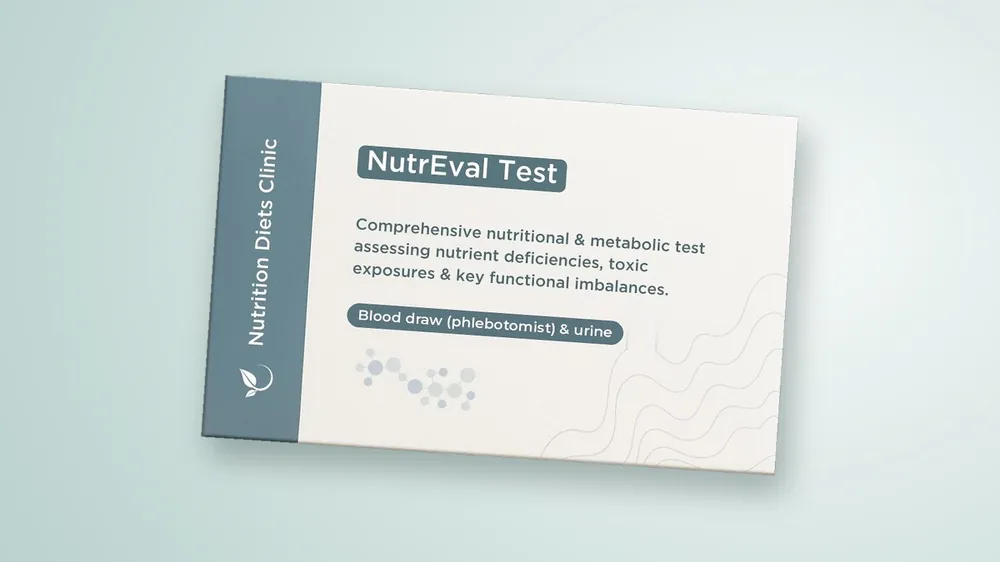
The NutrEval Test reads more than 125 markers from blood and urine and turns them into your functional need for 40 vitamins, minerals, antioxidants and other nutrients, including red-cell magnesium, zinc, B-vitamin markers and your omega-3 index.
Want to discuss your symptoms or test options? Book a free 15-minute Discovery Call
Mitochondria and cell energy
The tiny power stations in each cell that burn your food for energy, and what slows them down.Mitochondria turn the food you eat into the energy every cell runs on. They depend on a steady supply of nutrients, and they are easily strained by oxidative stress, the wear and tear of normal metabolism, which builds up with poor sleep, inflammation, toxins and age. When they slow down, you feel it as fatigue, slow recovery and brain fog.Read more
Sound familiar?
- Feeling drained after ordinary days
- Slow to recover after exercise or illness
- Brain fog and poor concentration
What can lead to it
- Low B vitamins, magnesium or coenzyme Q10
- Oxidative stress from poor sleep, inflammation or toxins
- Long periods without movement
- Blood sugar that swings high and low
Our approach
We support your mitochondria from several sides: the nutrients they need, steadier blood sugar, sleep, movement that builds energy rather than draining it, and fewer things that strain them. Our guide to mitochondrial health covers the seven steps in more depth.
How we investigate
The NutrEval Test measures the organic acids from your cells’ energy cycle, alongside coenzyme Q10, glutathione and markers of oxidative stress, to show how well your cells are making energy and what is getting in the way.
Want to discuss your symptoms or test options? Book a free 15-minute Discovery Call
Blood sugar swings and insulin resistance
Highs and lows through the day that, over years, can wear down how well your body responds to insulin.Insulin is the hormone that moves sugar from your blood into your cells. Meals that send blood sugar up quickly bring sharp dips after them, with crashes and cravings. Over years, the cells can respond less well to insulin, which tends to store fat around the middle, and later shows on GP tests as raised blood sugar or blood fats.Read more
Sound familiar?
- An energy crash after lunch or mid-afternoon
- Craving something sweet, or feeling shaky when a meal is late
- Weight that settles around your middle, or belly fat
What can lead to it
- Meals built on refined carbohydrates and sugar
- Long gaps between meals, or caffeine in place of food
- Long stretches of sitting
- Stress and short sleep
Our approach
We look at the make-up and timing of your meals alongside your movement, stress and sleep, and shape a way of eating that keeps your energy steadier, working alongside your GP, who tracks your blood sugar with the HbA1c test. Our hormonal imbalances page covers how blood sugar affects your other hormones. Our fertility page covers blood sugar and insulin when you are trying to conceive.
How we investigate
Blood sugar and insulin are measured by your GP, not by our tests. Where stress looks involved, the DUTCH Plus maps your cortisol across the day; the NutrEval Test looks at the nutrients your body uses to handle sugar, such as magnesium and B vitamins.
Want to discuss your symptoms or test options? Book a free 15-minute Discovery Call
Stress, sleep and cortisol
A stress system that stays switched on, draining energy and nutrients and nudging weight and blood sugar up.Cortisol, the main stress hormone, raises blood sugar so you have fuel to respond to a threat. When stress runs for months, or sleep is short, cortisol can stay higher than it should. That drains energy, uses up nutrients such as magnesium and B vitamins faster, and tends to push up appetite and store fat around the middle.Read more
Sound familiar?
- Tired but wired, especially in the evening
- Weight that crept on during a stressful stretch
- Waking in the early hours and struggling to get back to sleep
What can lead to it
- Long-term work or family stress
- Short or broken sleep
- Shift work
- Over-training or under-eating
Our approach
We look at your stress load, sleep and routines alongside your meals, and build changes that calm the stress system, so energy, appetite and blood sugar are easier to steady. Our hormonal imbalances page covers stress, sleep and cortisol in more depth.
How we investigate
The DUTCH Plus maps your cortisol and its breakdown products across one day, including the rise in cortisol after you wake, from dried urine and saliva collected at home.
Want to discuss your symptoms or test options? Book a free 15-minute Discovery Call
An imbalanced gut
A gut that absorbs less of what you eat, and bacteria that affect how your body uses and stores energy.You only benefit from the nutrients you absorb, and absorption depends on a healthy gut. The bacteria in your gut also make some vitamins and send signals that affect appetite, inflammation and how sensitive you are to insulin. Some species, such as Akkermansia, are often lower in people who struggle with their weight.Read more
Sound familiar?
- Bloating, wind or irregular bowels alongside tiredness
- Weight or energy that changed after antibiotics or a gut infection
- A diet low in fibre and plant variety
What can lead to it
- A low-fibre diet with little variety
- Antibiotics and some other medicines
- Gut infections
- Long-term stress
Our approach
We support digestion and absorption first, then rebuild the variety and fibre in your diet step by step. Our gut health page covers gut bacteria in more depth.
How we investigate
The GI-MAP + Zonulin maps your gut microbiome, including keystone bacteria such as Akkermansia and any overgrowth, and measures zonulin, a marker of gut permeability. The NutrEval Test includes markers of malabsorption and imbalanced gut bacteria.
Want to discuss your symptoms or test options? Book a free 15-minute Discovery Call
Your genes and family history
Inherited patterns that change which nutrients, and which forms of them, your body needs.Some common gene variants slow the methylation cycle, a set of reactions that depends on folate, B12 and B6 and affects energy, detoxification and heart health. When they run slowly, homocysteine, an amino acid linked to heart health, can build up, and some forms of B vitamins suit you better than others.Read more
Sound familiar?
- Heart disease, a stroke or type 2 diabetes in your family
- Raised homocysteine on a blood test
- Reacting badly to some supplements or B vitamins
What can lead to it
- Gene variants in the methylation cycle
- Low folate, B12 or B6 in the diet
- Smoking and high alcohol intake
Our approach
A family history is not destiny. We look at your history and results, and match your diet and any supplements to your genes, including the forms of B vitamins that suit you.
How we investigate
The Methylation Genetic Test is a cheek swab that reads the gene variants behind your methylation cycle, including those linked to homocysteine. It shows a predisposition, not a diagnosis. The NutrEval Test measures homocysteine and B-vitamin markers directly.
Want to discuss your symptoms or test options? Book a free 15-minute Discovery Call

What is it like to work with a nutritional therapist?
You’ll work with one practitioner, one to one and online, from start to finish. Carmen Martinez-Vidal is a UK-registered nutritional therapist with over 15 years in functional medicine. She looks at your energy, nutrients and weight alongside your diet, digestion, stress, sleep and any GP results to work out what’s driving them, advises on and interprets any testing, and designs a personalised protocol to address the root causes, refining it with you at each step.

Should I see a metabolic health nutritionist or take a test first?
There's no one-size-fits-all approach to metabolic health. We shape your therapy around your symptoms, history, GP results and goals, whether you begin with a consultation or a test.

One-to-one consultation
Start here if you’ve already tried other routes or want a comprehensive review of your health. Carmen assesses your history, diet, lifestyle and symptoms in depth to identify possible underlying causes, design a targeted action plan and recommend whether testing is worthwhile.
60-minute Comprehensive Consultation · £180
Metabolic health testing
Start here if you’d like answers from a test first. We can help you choose if you’re not sure which test is right for you. Your results are then professionally interpreted and explained in a Lab Findings Review (£99) with Carmen, or applied to a personalised plan in a full Comprehensive Consultation (£180).
Tests from £310
See the testsNot sure where to begin?
Talk it through with Carmen on a free 15-minute video call to understand your best first step.
Which metabolic health tests can I take?
The same tiredness can come from very different gaps, and what helps one person can do little for the next. Testing shows which gaps are yours, so your plan starts in the right place. Explore the tests below to see which might suit you.
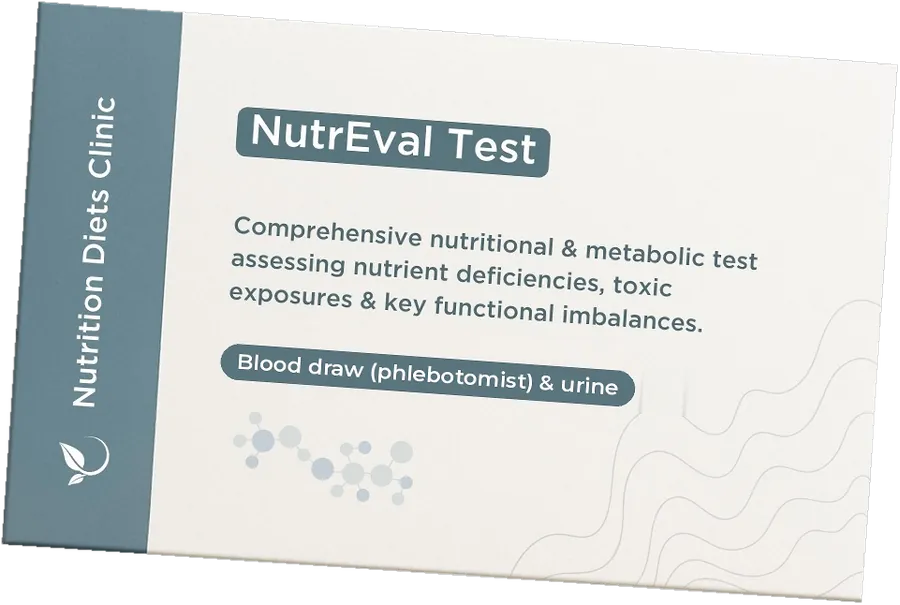
NutrEval Test
Find out which nutrients you are short of and how well your cells are turning food into energy.
- 125+ markers
- Results in 21 working days
- Free UK delivery
Explore more metabolic health tests
All at-home tests →Not sure which test is right for you? Book a free Discovery Call
What do our clients say?
Common questions about metabolic health
What is metabolic dysfunction?
Metabolism is how your body turns food into energy, from the nutrients you absorb to the mitochondria in each cell that burn fuel. Metabolic dysfunction is what happens when that process struggles: tiredness that rest does not fix, energy crashes, brain fog and weight that will not shift, and over time rising blood sugar, blood pressure or blood fats, which your GP monitors.
What is metabolic syndrome?
Metabolic syndrome is the name the NHS uses for a group of health problems that raise your risk of type 2 diabetes and of conditions affecting your heart and blood vessels. It is linked to insulin resistance and to carrying fat around your tummy, and there may be no symptoms: you usually find out from a blood test or check-up. Your GP looks at your waist, blood pressure, blood sugar and cholesterol, and the NHS says treatment usually starts with changes to your lifestyle, which is where a nutrition and lifestyle plan, alongside your GP’s care, fits.
Why am I always tired when my blood tests are normal?
Standard GP blood tests are designed to rule out disease, such as anaemia, thyroid problems or diabetes, so they can come back normal while you still feel exhausted. They do not usually look at functional nutrient status, such as red-cell magnesium, coenzyme Q10 or your omega-3 index, or at how well your cells are making energy. That is where a functional approach starts.
What are mitochondria, and why do they matter for energy?
Mitochondria are the tiny structures inside your cells that turn food into energy. They need a steady supply of nutrients, including B vitamins, magnesium and coenzyme Q10, and they are strained by oxidative stress from poor sleep, inflammation and toxins. When they slow down, the usual signs are fatigue, slow recovery and brain fog. Supporting mitochondrial health is a large part of how we work on energy.
What is insulin resistance, and what are the signs?
Insulin resistance is when your cells stop responding well to insulin, the hormone that moves sugar out of your blood, so your body has to make more of it. Common signs are energy crashes after meals, sugar cravings and weight around the middle. It is closely linked to diet, movement, stress and sleep, and your GP tracks its effect on your blood sugar with the HbA1c test.
Can a nutritionist help with metabolic health?
Yes, alongside your GP rather than instead of them. A registered nutritional therapist does not diagnose or treat medical conditions. What we do is look for what is behind your fatigue, energy crashes or weight, most often nutrient gaps, strained mitochondria, blood sugar swings, stress and sleep and the gut, and build a nutrition and lifestyle plan you can keep up.
Should I take supplements for energy?
Only the ones you need. Guessing can waste money, miss the gap that matters and, with some medicines, cause interactions. We look at your diet, symptoms and any results first, and recommend targeted supplements, in forms that suit you, only where they are needed. The NutrEval Test is designed to show which nutrients you are actually short of.
Do your tests measure blood sugar, cholesterol or blood pressure?
No. Those are measured by your GP or pharmacy, and adults aged 40 to 74 in England are invited for a free NHS Health Check every five years. Our tests look at what sits behind those numbers: the NutrEval Test at your nutrients, omega-3 balance, homocysteine and how your cells make energy; the DUTCH Plus at your stress hormones; the Methylation Genetic Test at inherited patterns; and the GI-MAP + Zonulin at your gut bacteria.
What does the NutrEval Test show?
The NutrEval Test reads more than 125 markers from a blood sample taken by a phlebotomist and a first-morning urine sample: organic acids, amino acids, fatty acids, oxidative stress, nutrient minerals and toxic metals. It turns them into your functional need for 40 vitamins, minerals, antioxidants and other nutrients, and shows how well your cells are making energy and what is getting in the way.
Should I keep taking my medication?
Yes. If you take medication for blood sugar, cholesterol or blood pressure, keep taking it: never stop or change a prescribed medicine without your doctor. A nutritional approach works alongside it, and if your results improve, your GP is the one to review your medication.
How much does a metabolic health nutritionist cost in the UK?
The free Discovery Call is 15 minutes, and a Comprehensive Consultation is £180. At Nutrition Diets Clinic the NutrEval Test is £695 (the blood draw is booked separately), the Methylation Genetic Test £310, the DUTCH Plus £365 and the GI-MAP + Zonulin £455. Having the results explained is a separate, optional consultation. Everything is online: consultations are by video from anywhere in the UK, and most tests are home collection kits, with a blood draw for the NutrEval that we help you arrange near you or at home.
Does the NHS recognise functional medicine?
Functional medicine is a private service rather than part of NHS care, so it works alongside your GP, not instead of them. When you choose a private practitioner, the NHS advises checking they are registered with an organisation accredited by the Professional Standards Authority (PSA). Carmen is registered with the Complementary and Natural Healthcare Council (CNHC), whose register the PSA accredits. We will always ask you to see your GP about symptoms that need medical assessment.
When should I see my GP first?
Call 999 for chest pain, pain spreading to your arm or jaw, or sudden breathlessness, or for sudden confusion, slurred speech or weakness on one side. See your GP first if you are very thirsty, passing urine often or losing weight without trying, and for routine blood tests if you are tired all the time and have not had them. These need medical assessment, and we will always ask you to have it.
Still have questions? Ask Carmen on a free 15-minute video call.
Book a free Discovery Call